Choosing the best GORE-TEX jackets requires balancing waterproof reliability with breathability and intended use. The Arc’teryx Beta AR stands out as the best overall pick, offering unmatched durability for rugged alpine conditions while maintaining versatile layering compatibility. For those prioritizing specific activities, the Burton Men’s Reserve excels on the slopes with snow-specific features, while the Marmot Minimalist offers a lightweight, packable option for daily urban use. The primary tradeoff in this category involves breathability versus durability; heavier fabrics resist abrasion better but trap more heat, while lighter shells prioritize airflow at the cost of longevity. Continue reading to see how each of these fourteen options performs across different environments and activity levels.

Get your wardrobe favorites delivered free with Prime
- Fast, free delivery on millions of items
- Prime Video, Amazon Music and more included
- Member-only deals all year
Key Takeaways
- Arc’teryx dominates the high-end segment with multiple distinct models (Beta, Beta AR, Beta SL) tailored to specific weight and durability needs rather than a single ‘one-size-fits-all’ solution.
- Snow-specific GORE-TEX jackets like the Burton Reserve and Dakine Stoker integrate powder skirts and wrist gaiters, which are unnecessary bulk for hiking or commuting.
- Cycling-specific GORE-TEX options (GOREWEAR) sacrifice traditional pocket layouts and hem adjustments for aerodynamic cuts and rear visibility features.
- The Marmot Minimalist and Waypoint represent the value segment, offering GORE-TEX protection at a lower price point by using simpler construction and fewer technical features.
- Fit varies drastically between brands; Arc’teryx tends toward a slim, athletic cut, while Outdoor Research and Burton offer more generous room for layering.
| Arc’teryx Beta Women’s Waterproof Jacket |  | Best Women’s All-Round Hiking Shell | Fabric: 3-layer 80D GORE-TEX ePE with C-KNIT backer | Shell material: Recycled nylon plain weave | DWR finish: FC0 DWR | VIEW LATEST PRICE | See Our Full Breakdown |
| Burton Men’s Reserve GORE-TEX 2L Jacket |  | Best for Snowboarding | Construction: Two-layer GORE-TEX shell | Fabric: 100% polyester | Lining: Nylon taffeta | VIEW LATEST PRICE | See Our Full Breakdown |
| Arc’teryx Beta Men’s Waterproof Jacket, Black, X-Large |  | Best for Men’s Hiking and Trekking | Material: 3-layer 80-denier GORE-TEX ePE with C-KNIT backer | Shell: Recycled nylon plain weave | Weather protection: Waterproof and windproof | VIEW LATEST PRICE | See Our Full Breakdown |
| Outdoor Research Men’s Headwall Gore-Tex 3L Jacket |  | Best for Alpine Ventilation | Construction: 3-layer GORE-TEX | Fabric: 100% recycled polyester 75D shell | Seams: Fully taped | VIEW LATEST PRICE | See Our Full Breakdown |
| Dakine Men’s Stoker GORE-TEX 3L Snow Jacket |  | Best for Feature-Rich Snow Days | Construction: 3-layer GORE-TEX | Fabric: 100% polyester | Face fabric and backer: 100% recycled | VIEW LATEST PRICE | See Our Full Breakdown |
| Marmot Women’s Minimalist Jacket |  | Best Packable Pick | Fabric: 100% polyester | Fabric technology: GORE-TEX Paclite | Waterproof: Yes | VIEW LATEST PRICE | See Our Full Breakdown |
| Arc’teryx Beta AR Men’s Waterproof Gore-Tex Pro Jacket |  | Best for Alpine Durability | Fabric: 3-layer GORE-TEX PRO ePE recycled nylon | Fabric weights: 80D, 126 gsm; 100D, 135 gsm | Water repellent: C0 DWR finish | VIEW LATEST PRICE | See Our Full Breakdown |
| Arc’teryx Women’s Beta SL Jacket |  | Best Lightweight Women’s Shell | Fabric: 40D x 70D 3-layer GORE-TEX ePE | Backer: C-KNIT | Material: Plain-weave recycled nylon | VIEW LATEST PRICE | See Our Full Breakdown |
| GOREWEAR Spinshift GORE-TEX Men’s Cycling Jacket | 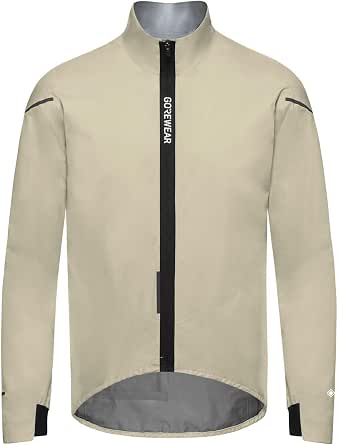 | Best for Road Cycling | Type: Road cycling jacket | Technology: GORE-TEX | Fit: Slim | VIEW LATEST PRICE | See Our Full Breakdown |
| Arc’teryx Beta Men’s Jacket, Black, Large |  | Best Versatile Hiking Shell | Fabric: 3-layer, 80D GORE-TEX ePE | Backer: C-KNIT | Shell material: Recycled nylon plain weave | VIEW LATEST PRICE | See Our Full Breakdown |
| Rab Men’s Namche Gore-Tex Jacket |  | Best for Packable Hiking | Waterproofing: 3-layer GORE-TEX Pro | Fabric: 100% nylon | Fit: Regular; designed to fit over base and midlayers | VIEW LATEST PRICE | See Our Full Breakdown |
| Arc’teryx Beta AR Women’s Jacket |  | Best for Alpine Durability | Materials: PFAS-free 3L GORE-TEX Pro ePE with nylon backing | Fabric weight zones: 100D at yoke and upper arms; 80D on body | Weather protection: Waterproof, windproof, and breathable | VIEW LATEST PRICE | See Our Full Breakdown |
| Marmot Waypoint GORE-TEX Jacket |  | Best for Everyday Wet-Weather Wear | Fabric: 100% post-consumer recycled polyester | Weather protection: GORE-TEX waterproof protection | Lining: 100% seam-taped DriClime wicking lining | VIEW LATEST PRICE | See Our Full Breakdown |
| GOREWEAR Lupra 2.0 Men’s GORE-TEX Cycling Jacket |  | Best for Wet-Weather Cycling | Face fabric: 100% recycled nylon | Membrane: GORE-TEX ePE laminate | Weather protection: Waterproof and windproof | VIEW LATEST PRICE | See Our Full Breakdown |
| GORE-TEX jacket | Fabric | Hood | Care |
|---|---|---|---|
| Arc’teryx Beta Women’s Waterpr | 3-layer 80D GORE-TEX ePE with C-KNIT backer | Low-profile and adjustable | Machine wash; tumble dry |
| Burton Men’s Reserve GORE-TEX | 100% polyester | Adjustable and helmet-compatible | Hand wash only |
| Arc’teryx Beta Men’s Waterproo | — | Adjustable low-profile stormhood | — |
| Outdoor Research Men’s Headwal | 100% recycled polyester 75D shell | Adjustable, helmet-compatible, with wire brim and hood lock | — |
| Dakine Men’s Stoker GORE-TEX 3 | 100% polyester | — | Machine wash |
| Marmot Women’s Minimalist Jack | 100% polyester | — | — |
| Arc’teryx Beta AR Men’s Waterp | 3-layer GORE-TEX PRO ePE recycled nylon | Helmet-compatible DropHood | — |
| Arc’teryx Women’s Beta SL Jack | 40D x 70D 3-layer GORE-TEX ePE | — | — |
| GOREWEAR Spinshift GORE-TEX Me | — | — | Machine wash |
| Arc’teryx Beta Men’s Jacket | 3-layer, 80D GORE-TEX ePE | Adjustable low-profile stormhood | — |
| Rab Men’s Namche Gore-Tex Jack | 100% nylon | Stiffened, wired, adjustable | Machine wash |
| Arc’teryx Beta AR Women’s Jack | — | Helmet-compatible StormHood | — |
| Marmot Waypoint GORE-TEX Jacke | 100% post-consumer recycled polyester | — | Machine wash |
| GOREWEAR Lupra 2.0 Men’s GORE- | — | Over-helmet hood with reinforced rim and silicone application | Machine wash |
More Details on Our Top Picks
Arc’teryx Beta Women’s Waterproof Jacket
The Arc’teryx Beta Women’s is the most adaptable hiking-focused option in this group: its 3-layer GORE-TEX ePE construction and C-KNIT backer pair weather protection with a backer designed for comfortable wear. Gusseted underarms help when reaching with trekking poles or scrambling, while the low-profile adjustable hood and WaterTight pockets cover practical trail needs. Compared with the snow-specific Burton Reserve, this shell is less specialized and better suited to hiking and trekking than resort features such as pass storage and pit zips. The tradeoff is that it has no stated insulation, so cold-weather users need to add layers, and the supplied details do not establish a warmth rating. I’d choose it for a women’s general-purpose shell, not as a standalone cold-weather jacket.
Pros:- Three-layer GORE-TEX ePE construction with a C-KNIT backer
- Gusseted underarms support unrestricted movement
- Adjustable low-profile hood
- WaterTight zippered pockets help protect essentials
Cons:- No insulation or warmth rating is specified
- Lacks the ski-specific storage and features found on the Burton Reserve
Best for: Women hikers and trekkers who want a breathable three-layer shell with freedom of movement for active use.
Not ideal for: Buyers seeking built-in warmth or a dedicated ski jacket with snow-specific features such as a powder skirt.
- Fabric:3-layer 80D GORE-TEX ePE with C-KNIT backer
- Shell material:Recycled nylon plain weave
- DWR finish:FC0 DWR
- Hood:Low-profile and adjustable
- Seams:Taped
- Pockets:WaterTight zippered pockets
- Movement features:Gusseted underarms
- Care:Machine wash; tumble dry
Our verdict“Choose this shell for active hiking and trekking in wet weather, provided you are prepared to layer for warmth.”
Burton Men’s Reserve GORE-TEX 2L Jacket
The Burton Men’s Reserve earns its place through resort-specific details rather than a more technical shell build. Its helmet-compatible hood, fully taped seams, pit-zip vents, and dedicated forearm pass pocket suit riders managing changing conditions and lift access. Compared with the three-layer Dakine Stoker, the Burton uses a two-layer construction with a nylon taffeta lining, making it the more straightforward snow shell in this pair; the Dakine adds a powder skirt, RECCO technology, and more extensive storage. The Burton’s regular fit and adjustable cuffs support layering, but it has no stated insulation, so warmth depends on what you wear underneath. Hand-wash-only care is another practical drawback for a jacket used around snow and resort grime.
Pros:- Fully taped seams help seal the shell against wet weather
- Mesh-lined pit zips provide a way to release heat
- Helmet-compatible adjustable hood and adjustable cuffs
- Forearm pass pocket plus hand-warmer, chest, and interior pockets
Cons:- Two-layer construction is less technical than the three-layer shells in this roundup
- Hand-wash-only care takes more maintenance
- No insulation is specified, so cold-weather comfort requires additional layers
Best for: Snowboarders who want a regular-fit GORE-TEX shell with a helmet-compatible hood, venting, and dedicated pass storage.
Not ideal for: Riders who want a three-layer build, a powder skirt, or machine-washable care; those features are listed on the Dakine Stoker instead.
- Construction:Two-layer GORE-TEX shell
- Fabric:100% polyester
- Lining:Nylon taffeta
- Fit:Regular
- Seams:Fully taped
- Venting:Mesh-lined pit-zip vents
- Hood:Adjustable and helmet-compatible
- Care:Hand wash only
Our verdict“Pick the Burton for resort snowboarding features and pass storage, but look to the Dakine Stoker for a three-layer shell with a powder skirt.”
Arc’teryx Beta Men’s Waterproof Jacket, Black, X-Large
This men’s Arc’teryx Beta is a clean, lightweight three-layer shell for hiking and trekking, with a GORE-TEX ePE membrane and C-KNIT backer for waterproof, windproof protection in a breathable construction. Its low-profile adjustable stormhood is designed to preserve visibility, while two hand pockets and a laminated internal zip pocket cover basic trail storage. Compared with the alpine-oriented Outdoor Research Headwall, the Beta is the simpler choice for general outdoor use: the Headwall adds helmet compatibility and hem-to-bicep venting for demanding activity and harness use. That specialization may suit climbers better, but the Beta’s more restrained feature set is easier to match to everyday hiking. Neither jacket lists insulation, so this is a shell to layer rather than a cold-weather standalone.
Pros:- Three-layer 80-denier GORE-TEX ePE with C-KNIT backer
- Waterproof and windproof protection in a breathable construction
- Adjustable low-profile stormhood designed to preserve visibility
- Two hand pockets and one internal laminated zip pocket
Cons:- No insulation is specified for cold-weather use
- Does not list the Headwall’s helmet-compatible hood or hem-to-bicep venting
Best for: Men who want a three-layer GORE-TEX shell for hiking and trekking, with a visibility-conscious hood and a secure internal pocket.
Not ideal for: Alpine climbers who need a helmet-compatible hood, harness-friendly pocket placement, or extended venting; the Headwall is better equipped for those uses.
- Material:3-layer 80-denier GORE-TEX ePE with C-KNIT backer
- Shell:Recycled nylon plain weave
- Weather protection:Waterproof and windproof
- Hood:Adjustable low-profile stormhood
- Pockets:Two hand pockets and one internal laminated zip pocket
- Fit:Regular
- Sleeves:Long sleeve
- Color and size:Black, X-Large
Our verdict“Choose the Beta for general hiking and trekking, but favor the Outdoor Research Headwall for helmet-based alpine use and more extensive ventilation.”
Outdoor Research Men’s Headwall Gore-Tex 3L Jacket
The Outdoor Research Headwall is the alpine specialist of this group. Its three-layer GORE-TEX shell, helmet-compatible hood, and harness-friendly high hand pockets suit climbing and other outings where standard pocket placement or a casual hood can get in the way. The standout is TorsoFlo hem-to-bicep venting: compared with the simpler Arc’teryx Beta men’s shell, it offers a much larger way to release heat during hard movement. A wire-brim hood and hood lock add adjustment options when conditions turn rough. The tradeoff is that this feature set is more specialized than most hikers need, and the supplied product details give no care instructions, pocket count, or weight to help judge everyday convenience. I’d rank it ahead of general-purpose shells for alpine function, not for minimalism.
Pros:- Three-layer GORE-TEX construction with a 100% recycled polyester 75D shell
- TorsoFlo hem-to-bicep venting offers broad heat release
- Adjustable helmet-compatible hood with wire brim and hood lock
- High hand pockets are positioned for harness use
Cons:- Alpine-focused features may be excessive for everyday hiking
- No care instructions or weight are supplied in the product details
Best for: Alpine climbers and mountaineers who wear a helmet or harness and need extensive venting during strenuous movement.
Not ideal for: Casual hikers seeking a simple, lightweight everyday rain shell; the Headwall’s alpine-focused hood, pocket placement, and venting may be unnecessary.
- Construction:3-layer GORE-TEX
- Fabric:100% recycled polyester 75D shell
- Seams:Fully taped
- Venting:Hem-to-bicep TorsoFlo
- Hood:Adjustable, helmet-compatible, with wire brim and hood lock
- Pocket placement:High hand pockets designed for harness use
- Fit:Standard
- Available sizes:S–XXXL
Our verdict“Choose the Headwall for alpine outings where helmet fit, harness-compatible pockets, and extensive venting matter more than a pared-back design.”
Dakine Men’s Stoker GORE-TEX 3L Snow Jacket
The Dakine Men’s Stoker brings the fullest snow-specific package in this batch: a three-layer GORE-TEX build, powder skirt, underarm vents, sleeve pass pocket, and integrated RECCO technology. Its recycled face fabric and backer, along with PFC-free DWR, also set it apart from the Burton Reserve’s listed polyester two-layer construction and nylon taffeta lining. That extra equipment makes the Stoker the stronger fit for riders who want a shell organized around time on the mountain, including separate storage for a device and other essentials. The tradeoff is a more specialized design than the hiking-oriented Arc’teryx Beta jackets, and the supplied details do not state the fit or available sizes. It has no listed insulation, either, so cold conditions call for layering.
Pros:- Three-layer GORE-TEX construction with recycled face fabric and backer
- Powder skirt, sleeve pass pocket, and underarm vents suit snow sports
- PFC-free DWR finish and fully taped seams
- RECCO technology and multiple storage pockets
Cons:- Snow-specific features make it less suited to general hiking than the Arc’teryx Beta jackets
- Fit and sizing details are not provided
- No insulation is specified for cold-weather warmth
Best for: Skiers and snowboarders who want a three-layer shell with a powder skirt, pass storage, RECCO technology, and multiple stash pockets.
Not ideal for: Hikers looking for a pared-back shell, or buyers who need stated fit and sizing information before choosing.
- Construction:3-layer GORE-TEX
- Fabric:100% polyester
- Face fabric and backer:100% recycled
- Seams:Fully taped
- Zippers:YKK Vislon AquaGuard
- Water-repellent finish:PFC-free DWR
- Snow features:Fixed adjustable hood, powder skirt, and zippered underarm vents
- Additional features:Sleeve pass pocket, insulated device pocket, media pocket, and RECCO technology
- Care:Machine wash
Our verdict“Choose the Stoker for a feature-rich snow shell with three-layer construction, but look elsewhere for a versatile hiking jacket or clear sizing guidance.”
Marmot Women’s Minimalist Jacket
The Marmot Women’s Minimalist makes the most sense for buyers who want a straightforward GORE-TEX shell they can carry until the weather turns. Its GORE-TEX Paclite construction and fully seam-taped seams deliver waterproof, windproof coverage without adding many extras, while the fixed hood adjusts around the face and zippered pockets secure small essentials. Compared with the more feature-rich Arc’teryx Beta AR, this jacket is geared toward portability and simple rain protection rather than alpine hardware or a helmet-compatible hood. That pared-back design keeps the package practical, but leaves fewer adjustment and storage features for technical outings. It is a strong option for day hikes and travel; buyers expecting a durable, feature-dense mountain shell should look elsewhere.
Pros:- GORE-TEX Paclite construction keeps the shell lightweight and packable
- Fully seam-taped construction helps block rain at the seams
- Waterproof, windproof, and breathable protection
- Zippered chest and hand pockets secure essentials
Cons:- Limited extra features compared with technical shells such as the Arc’teryx Beta AR
- Fixed hood offers less versatility than a removable or helmet-compatible design
Best for: Hikers and travelers who want a lightweight, packable women’s GORE-TEX shell for rain protection and everyday outdoor use.
Not ideal for: Alpine users who need a helmet-compatible hood, specialized technical features, or a shell built around extensive adjustment options.
- Fabric:100% polyester
- Fabric technology:GORE-TEX Paclite
- Waterproof:Yes
- Windproof:Yes
- Breathable:Yes
- Seam construction:100% seam-taped
- Water repellency:PFC-free DWR
- Hood and pockets:Fixed adjustable hood; zippered chest and hand pockets
Our verdict“Choose the Minimalist if portability and uncomplicated rain protection matter more than alpine-specific features.”
Arc’teryx Beta AR Men’s Waterproof Gore-Tex Pro Jacket
For demanding mountain days, the Arc’teryx Beta AR puts durable construction and technical details ahead of packability. Its 3-layer GORE-TEX PRO ePE shell uses 80D and 100D fabric weights, and the helmet-compatible DropHood, RECCO reflector, and WaterTight external zippers suit exposed alpine use. Compared with the lighter Arc’teryx Women’s Beta SL, the Beta AR is the more protection-focused choice, though that emphasis may mean more jacket than casual hikers need. It has no specified insulation, so it serves as a weather shell rather than a warm standalone layer; buyers need to add insulation for cold conditions. The technical feature set is compelling for serious outings, but the available product details do not establish how it fits or how much it weighs.
Pros:- 3-layer GORE-TEX PRO ePE shell is designed for demanding outdoor conditions
- 80D and 100D fabric weights offer a durability-focused build
- Helmet-compatible DropHood includes a RECCO reflector
- WaterTight zippers and adjustable cuffs and hem support weather protection
Cons:- No insulation is specified, so warmth requires separate layers
- Technical features may be unnecessary for casual hikes and everyday rain use
- Product details do not provide weight or fit information
Best for: Alpine climbers and mountain users who need a durable GORE-TEX shell with a helmet-compatible hood and rescue-oriented RECCO reflector.
Not ideal for: Casual hikers or packability-focused buyers who would rather carry a lighter shell like the Arc’teryx Women’s Beta SL.
- Fabric:3-layer GORE-TEX PRO ePE recycled nylon
- Fabric weights:80D, 126 gsm; 100D, 135 gsm
- Water repellent:C0 DWR finish
- Hood:Helmet-compatible DropHood
- Additional feature:RECCO reflector
- Zippers:WaterTight external zippers
- Adjustments:Adjustable cuffs and hem
- Certification:Fair Trade Certified facility
Our verdict“Pick the Beta AR for alpine protection and technical features, not for a minimal or insulated jacket.”
Arc’teryx Women’s Beta SL Jacket
The Arc’teryx Women’s Beta SL is the lighter, more packability-minded choice for varied outdoor days when a dependable waterproof shell matters more than a burly build. Its 3-layer GORE-TEX ePE fabric pairs with a C-KNIT backer, bringing waterproof, windproof, and breathable coverage in a design described as lightweight. Compared with the more heavily built Arc’teryx Beta AR, the Beta SL favors carrying comfort over the AR’s thicker 80D and 100D fabric weights and alpine-oriented features. That difference is useful for hikes and changing conditions, but the superlight design comes with a durability tradeoff; it is not the obvious pick for repeated abrasion or rough technical use. Choose it when a versatile shell that packs away easily is the priority.
Pros:- 3-layer GORE-TEX ePE provides waterproof and windproof protection
- C-KNIT backer supports breathable comfort
- Lightweight design is suited to packing for changing weather
- Versatile for varied outdoor and mountain conditions
Cons:- Superlight construction prioritizes packability over durability
- The product details do not specify hood, pocket, or adjustment features
Best for: Women who hike or travel in changeable weather and want a lightweight, packable GORE-TEX shell for varied outdoor conditions.
Not ideal for: Alpine users who prioritize a more durability-focused shell, such as the Arc’teryx Beta AR, for frequent abrasion and demanding use.
- Fabric:40D x 70D 3-layer GORE-TEX ePE
- Backer:C-KNIT
- Material:Plain-weave recycled nylon
- DWR:FC0 DWR
- Waterproof protection:Yes
- Windproof protection:Yes
- Breathability:Yes
- Manufacturing origin:Vietnam
Our verdict“Choose the Beta SL for a lightweight women’s shell to carry on hikes, but favor the Beta AR for a more durability-focused build.”
GOREWEAR Spinshift GORE-TEX Men’s Cycling Jacket
Unlike the hiking and alpine shells in this roundup, the GOREWEAR Spinshift is built around the posture and needs of road cycling. Its slim fit reduces loose fabric, while the extended rear hem adds coverage when a rider leans forward; reflective accents help with visibility. That cycling-specific cut sets it apart from the roomier-use case of the Marmot Women’s Minimalist, which is a more general-purpose shell with chest and hand pockets. The Spinshift’s fit may work well over cycling layers but will not suit everyone, especially riders who prefer a relaxed cut or want one jacket for hiking and commuting. The product information does not specify a hood or pocket layout, so buyers should not assume it offers the storage and coverage details of an all-purpose outdoor shell.
Pros:- Slim fit is designed for road cycling
- Extended rear hem adds coverage when leaning forward
- GORE-TEX fabric provides waterproof and breathable protection
- Reflective accents add visibility details
Cons:- Slim cut may not suit riders who prefer a looser fit or heavier layers
- Product details do not specify a hood or pocket configuration
- Cycling-specific design is less suited to general hiking use than the Marmot Women’s Minimalist
Best for: Road cyclists seeking a slim-cut GORE-TEX jacket with added rear coverage in the riding position and reflective details.
Not ideal for: Riders who prefer a loose fit or buyers seeking a general-purpose hiking shell with specified hand and chest pockets.
- Type:Road cycling jacket
- Technology:GORE-TEX
- Fit:Slim
- Face fabric:100% recycled nylon
- Lining:100% recycled nylon
- Coverage:Extended rear hem
- Visibility details:Reflective accents
- Care:Machine wash
Our verdict“Choose the Spinshift if you want a close-fitting rain shell shaped for road riding rather than a versatile hiking jacket.”
Arc’teryx Beta Men’s Jacket, Black, Large
The Arc’teryx Beta Men’s Jacket takes a middle ground between the highly technical Beta AR and the more packability-focused Beta SL. Its 3-layer, 80D GORE-TEX ePE fabric and breathable C-KNIT backer are aimed at hiking, trekking, and backpacking, while an adjustable low-profile stormhood is designed to preserve visibility. Compared with the Beta AR, this model has a broader everyday outdoor brief rather than a helmet-compatible DropHood and RECCO reflector. Compared with the Beta SL, its specified 80D shell points toward a more substantial fabric choice, though the product details do not provide weight or other durability comparisons. Pocket layout and fit details are also unspecified, so buyers seeking precise storage or sizing guidance should verify those separately.
Pros:- 3-layer GORE-TEX ePE construction provides waterproof and windproof protection
- C-KNIT backer supports breathability
- 80D fabric offers a more substantial specified face fabric than the Beta SL’s 40D x 70D
- Adjustable low-profile stormhood is designed to preserve visibility
Cons:- Product details do not specify fit or pocket layout
- Lacks the Beta AR’s listed helmet-compatible hood and RECCO reflector
- No insulation is specified
Best for: Men who need a waterproof shell for hiking, trekking, and backpacking, and prefer an adjustable low-profile hood.
Not ideal for: Alpine users seeking the Beta AR’s helmet-compatible hood and RECCO reflector, or buyers who need detailed pocket and fit information before choosing.
- Fabric:3-layer, 80D GORE-TEX ePE
- Backer:C-KNIT
- Shell material:Recycled nylon plain weave
- Water repellency:FC0 DWR
- Hood:Adjustable low-profile stormhood
- Intended activities:Hiking, trekking, and backpacking
- Color:Black
- Size:Large
Our verdict“Choose this Beta for a versatile hiking and trekking shell, while the Beta AR suits buyers who need alpine-specific features.”
Rab Men’s Namche Gore-Tex Jacket
The Rab Men’s Namche suits hikers who want a lightweight shell with more technical protection than a basic commute jacket. Its 3-layer GORE-TEX Pro construction is paired with underarm zippers, so you can vent heat on climbs without relying only on the front zipper. The adjustable hood, hem, and cuffs help seal out weather while accommodating layers underneath. Compared with the Marmot Waypoint, the Namche puts the emphasis on ventilation and packability rather than a moisture-wicking lining for everyday wear. The tradeoff is that the supplied details give little basis for judging long-term durability, and the shell itself provides no warmth. Choose it for changeable hikes; skip it if you want a lined jacket for cool-weather commuting.
Pros:- Three-layer GORE-TEX Pro construction offers waterproof, breathable shell protection.
- Lightweight, packable design is suited to carrying on hikes.
- Underarm zippers let heat escape during sustained activity.
- Adjustable hood, hem, and cuffs help tailor coverage over layers.
Cons:- As a shell, it requires separate insulation in cold conditions.
- Available product details do not establish how it holds up to extended wear.
Best for: Day hikers who want a packable waterproof shell with pit ventilation and room for base and midlayers.
Not ideal for: Commuters seeking built-in warmth or buyers who need documented durability details before choosing a technical shell.
- Waterproofing:3-layer GORE-TEX Pro
- Fabric:100% nylon
- Fit:Regular; designed to fit over base and midlayers
- Hood:Stiffened, wired, adjustable
- Ventilation:Underarm ventilation zippers
- Zippers:YKK AquaGuard
- Cuffs:Adjustable hook-and-loop tabs
- Care:Machine wash
Our verdict“Choose the Namche if you want a vented, packable GORE-TEX Pro shell for hiking and already have your own insulation layers.”
Arc’teryx Beta AR Women’s Jacket
The Arc’teryx Beta AR Women’s Jacket is the most alpine-focused pick here, pairing a helmet-compatible StormHood with GORE-TEX Pro and tougher fabric at the yoke and upper arms. That reinforcement targets areas likely to meet pack straps or rough surfaces, while pit zippers help release heat on steep efforts. Its RECCO reflector adds a search-and-rescue feature, not a substitute for standard backcountry safety planning. Compared with the lighter, packable Rab Men’s Namche, the Beta AR makes a clearer case for abrasion-prone mountain use, but it is less compelling as a casual rain layer. The regular fit and lack of stretch may feel restrictive to buyers who prize freedom of movement, and this shell supplies no insulation. Pick it for demanding alpine layering, not warmth or soft stretch.
Pros:- PFAS-free 3-layer GORE-TEX Pro ePE provides waterproof, windproof protection.
- 100D fabric at the yoke and upper arms adds reinforcement where pack and terrain abrasion can occur.
- Helmet-compatible StormHood and pit zippers suit alpine use.
- Internal chest pocket, hand pockets, and RECCO reflector add practical mountain features.
Cons:- No stretch may limit comfort during dynamic movement or when worn over bulky layers.
- Shell construction requires separate insulation in cold weather.
- Alpine-specific hood and reinforcement may be more than everyday users need.
Best for: Women climbing or hiking in exposed alpine terrain who need a helmet-compatible shell with reinforced high-wear areas.
Not ideal for: Buyers prioritizing stretch, built-in warmth, or a simple lightweight jacket for everyday rain.
- Materials:PFAS-free 3L GORE-TEX Pro ePE with nylon backing
- Fabric weight zones:100D at yoke and upper arms; 80D on body
- Weather protection:Waterproof, windproof, and breathable
- Fit:Regular
- Hood:Helmet-compatible StormHood
- Ventilation:Pit zippers
- Pockets:Two zippered hand pockets and one internal chest pocket
- Additional feature:Embedded RECCO reflector
- Stretch:No stretch
Our verdict“Choose the Beta AR for alpine routes where helmet compatibility and reinforced GORE-TEX Pro protection matter more than stretch or warmth.”
Marmot Waypoint GORE-TEX Jacket
The Marmot Waypoint is the everyday-minded choice in this group: it pairs GORE-TEX wet-weather protection with a seam-taped DriClime lining designed to wick moisture away from the skin. That lining gives it a more comfort-oriented angle for commutes and day hikes than the technical, unlined-shell emphasis of the Rab Men’s Namche. Its recycled polyester face fabric also gives buyers a material detail the Namche listing does not specify. The supplied information does not identify the exact GORE-TEX construction, fit, hood, pockets, or ventilation, so I would not choose it over more fully specified alpine options when those details matter. It is best for mixed daily use in wet weather; skip it if you need known pit ventilation or a helmet-compatible hood.
Pros:- GORE-TEX protection is suited to wet-weather use.
- Seam-taped DriClime lining helps manage moisture next to the skin.
- Designed for commutes, day hikes, and everyday activities.
- Face fabric is made from post-consumer recycled polyester.
Cons:- The supplied specifications do not identify the GORE-TEX layer construction.
- Available details do not confirm ventilation, hood design, or pocket layout.
- A lined design may be less appealing than a minimalist shell for buyers focused on packability.
Best for: Commuters and casual day hikers who want GORE-TEX rain protection with a moisture-wicking lining for regular wear.
Not ideal for: Alpine users who need confirmed helmet compatibility, pit zippers, or detailed shell-construction specifications.
- Fabric:100% post-consumer recycled polyester
- Weather protection:GORE-TEX waterproof protection
- Lining:100% seam-taped DriClime wicking lining
- Water-repellent treatment:C0 DWR
- Intended use:Day hikes, commutes, and everyday wet-weather activities
- Care:Machine wash
- Origin:Imported
Our verdict“Choose the Waypoint for everyday wet-weather wear and a moisture-wicking lining, but look to the Namche or Beta AR when alpine-specific details are a priority.”
GOREWEAR Lupra 2.0 Men’s GORE-TEX Cycling Jacket
The GOREWEAR Lupra 2.0 is built around cycling-specific needs rather than general hiking or alpine use. Its lightweight, packable GORE-TEX ePE laminate blocks wind and rain, while the over-helmet hood, adjustable cuffs, and drawcord hem help accommodate riding layers and limit exposure. Reflective details are a practical distinction for low-light rides, and the two-way zipper offers another way to adjust the front opening. Compared with the Rab Men’s Namche, the Lupra is more specialized for a rider wearing a helmet; the Namche’s underarm zippers, by contrast, are an explicit ventilation feature. The supplied details do not list dedicated vents or pocket storage, so riders who run hot or need secure on-bike storage should check whether those needs are met.
Pros:- GORE-TEX ePE laminate provides waterproof and windproof protection.
- Lightweight, packable design is practical to carry on rides.
- Over-helmet hood and adjustable hem and cuffs support layered riding.
- Reflective details aid visibility in low light.
Cons:- The supplied specifications do not list dedicated ventilation openings.
- Pocket storage is not specified, which may be limiting for riders carrying essentials in the jacket.
- Cycling-focused hood and cut may be less useful for general hiking or everyday wear.
Best for: Road and commuter cyclists who need a packable waterproof, windproof shell that fits over a helmet and offers low-light visibility details.
Not ideal for: Hikers seeking specified pit ventilation or cyclists who require documented jacket pockets and dedicated airflow openings.
- Face fabric:100% recycled nylon
- Membrane:GORE-TEX ePE laminate
- Weather protection:Waterproof and windproof
- Hood:Over-helmet hood with reinforced rim and silicone application
- Cuffs:Adjustable hook-and-loop
- Hem:Drawcord-adjustable
- Zipper:Two-way
- Visibility:Reflective details
- Care:Machine wash
Our verdict“Choose the Lupra 2.0 for wet rides when an over-helmet hood and packable GORE-TEX protection matter more than specified venting or storage.”

How We Picked
I evaluated these jackets based on three core pillars: weather protection integrity, activity-specific functionality, and construction longevity. Each jacket was assessed for its GORE-TEX membrane type (standard vs. Pro vs. Paclite) to determine appropriate use cases, ensuring that heavy-duty alpine shells were not compared directly against lightweight rain shells without context. I also weighed the practicality of features such as helmet-compatible hoods, pit zips for ventilation, and pocket placement relative to backpack hip belts or ski harnesses.
Ranking logic prioritized versatility and reliability for the top spots, placing jackets that perform well across multiple conditions above niche single-use items. However, niche products like the cycling jackets were ranked high within their specific category due to their superior design for that activity. This approach ensures that a buyer looking for a ski jacket gets the best recommendation for snow, not just the most expensive general-purpose shell.
| GORE-TEX jacket | Care |
|---|---|
| Arc’teryx Beta Women’s Waterpr | Machine wash; tumble dry |
| Burton Men’s Reserve GORE-TEX | Hand wash only |
| Arc’teryx Beta Men’s Waterproo | — |
| Outdoor Research Men’s Headwal | — |
| Dakine Men’s Stoker GORE-TEX 3 | Machine wash |
| Marmot Women’s Minimalist Jack | — |
| Arc’teryx Beta AR Men’s Waterp | — |
| Arc’teryx Women’s Beta SL Jack | — |
| GOREWEAR Spinshift GORE-TEX Me | Machine wash |
| Arc’teryx Beta Men’s Jacket | — |
| Rab Men’s Namche Gore-Tex Jack | Machine wash |
| Arc’teryx Beta AR Women’s Jack | — |
| Marmot Waypoint GORE-TEX Jacke | Machine wash |
| GOREWEAR Lupra 2.0 Men’s GORE- | Machine wash |
Factors to Consider When Choosing Best GORE-TEX Jackets
Selecting the right GORE-TEX jacket goes beyond brand recognition. You must align the technical specifications of the shell with your primary activity and local climate conditions.Membrane Type and Breathability Tradeoffs
GORE-TEX is not a single product but a family of membranes. GORE-TEX Pro offers the highest durability and breathability for high-output alpine activities but comes with a stiffer hand feel and higher price. GORE-TEX Paclite or Active membranes are lighter and pack smaller, making them ideal for hiking or travel where weight matters more than abrasion resistance. Standard GORE-TEX sits in the middle, providing reliable waterproofing for general use. Choosing the wrong membrane means either carrying unnecessary weight or compromising on durability during rugged use.
Layering Compatibility and Fit
A shell is only as effective as the system it encloses. If you plan to wear thick fleece or down insulation underneath, you need a jacket with a relaxed fit and articulated sleeves, such as those found in ski-specific models. Slim-fit fashion or cycling jackets will restrict movement and compress insulation, reducing its thermal efficiency. Always check if the brand runs small; Arc’teryx, for instance, often requires sizing up if you intend to layer heavily, whereas Outdoor Research tends to offer a more generous cut.
Activity-Specific Feature Sets
General-purpose rain jackets often lack the features needed for specialized sports. Ski jackets require powder skirts to keep snow out and wrist gaiters to seal gaps over gloves. Cycling jackets need reflective elements for visibility and a dropped tail to cover the lower back when leaning forward. Hiking jackets prioritize pit zips for heat dumping and helmet-compatible hoods. Buying a generic shell for a specialized activity often leads to frustration, such as snow entering a jacket without a powder skirt or restricted arm movement on a bike.
Durability and Maintenance Requirements
All GORE-TEX jackets require maintenance to sustain water repellency, but the frequency depends on usage. Jackets used in abrasive environments like rock scrambling or heavy brush will degrade the face fabric faster than those used for urban commuting. Look for reinforced shoulders and elbows if you carry heavy packs. Neglecting DWR (Durable Water Repellent) treatment causes the outer fabric to wet out, which can feel like a leak even if the membrane is intact. Understanding your willingness to wash and re-treat the jacket is part of the buying decision.
Weight and Packability for Travel
If the jacket is for travel or emergency backup, packability becomes the primary metric. A heavy-duty ski shell may weigh over a pound and take up significant suitcase space, whereas a minimalist rain shell can compress into the size of an apple. Assess whether you need the jacket for active use (where breathability matters) or passive protection (where weight and bulk matter more). Carrying a heavy shell for casual city use is a common mistake that leads to leaving the jacket at home.
Frequently Asked Questions
Is GORE-TEX better than other waterproof membranes like eVent or proprietary brands?
GORE-TEX remains the industry benchmark for a balance of waterproofing and breathability, but it is not inherently superior to all competitors. Membranes like eVent often offer higher breathability because they rely on direct airflow rather than a hydrophilic layer, but they can be less durable and require more frequent washing. Proprietary membranes from brands like REI Co-op or Patagonia often provide 90% of the performance at a lower cost. The choice often comes down to brand loyalty and specific feature integration, as GORE-TEX guarantees a standardized level of performance across many manufacturers.
Why does my GORE-TEX jacket feel wet on the inside when I am sweating?
This is usually due to condensation rather than a leak. GORE-TEX is waterproof and breathable, but it cannot move moisture vapor as fast as your body produces it during high-intensity activity. If the jacket is too warm or the humidity is high, sweat condenses on the inner membrane, making you feel wet. To mitigate this, ensure you are using pit zips and front vents aggressively, and choose a jacket with a higher breathability rating (like GORE-TEX Pro) for high-output activities, or a lighter membrane for lower output.
Can I wash my GORE-TEX jacket in a regular washing machine?
Yes, but you must follow specific guidelines to avoid damaging the membrane. Use a technical cleaner or a mild liquid detergent without fabric softeners, bleach, or conditioners, as these clog the pores of the membrane and degrade the DWR coating. Wash on a gentle cycle with warm water and rinse thoroughly. After washing, tumble dry on low heat or iron on low heat with a towel over the jacket to reactivate the DWR coating, which restores water beading on the outer fabric.
Do I need a GORE-TEX jacket if I only walk in the city?
For casual city walking, a standard GORE-TEX jacket might be overkill. A GORE-TEX Paclite or a lightweight, packable rain shell is often sufficient and more comfortable. Full-duty GORE-TEX Pro jackets are stiff and heavy, designed for mountaineering and heavy abrasion. For urban use, prioritize features like a clean aesthetic, good hood visibility, and packability over rugged durability. A cheaper waterproof-breathable alternative may also suffice if you are not exposed to prolonged heavy rain or wind.
What is the difference between 2L and 3L GORE-TEX construction?
2L (2-Layer) construction has the membrane bonded to the face fabric, with a separate loose lining inside. This is common in ski jackets because the lining adds warmth and comfort against the skin. 3L (3-Layer) construction bonds the membrane to the face fabric and a thin inner scrim, making it lighter, more durable, and packable, but it lacks the soft hand feel of a lining. 3L is preferred for hiking and climbing where weight and durability matter, while 2L is better for skiing where insulation and comfort are prioritized.
Conclusion
Choosing among the best GORE-TEX jackets ultimately depends on your primary activity. For the best overall versatility and durability, the Arc’teryx Beta AR is the definitive choice for serious outdoor enthusiasts. If you are on a budget or need a simple, reliable rain shell, the Marmot Minimalist offers the best value without compromising waterproof integrity. For beginners or casual users, the Arc’teryx Beta SL provides a lightweight, easy-to-wear option that is less intimidating than technical alpine gear. Skiing enthusiasts should look to the Burton Reserve or Dakine Stoker for their specialized snow features, while cyclists will find the GOREWEAR Spinshift superior for its aerodynamic fit and visibility. Assess your specific needs against these roles to find the jacket that will serve you best in 2027.