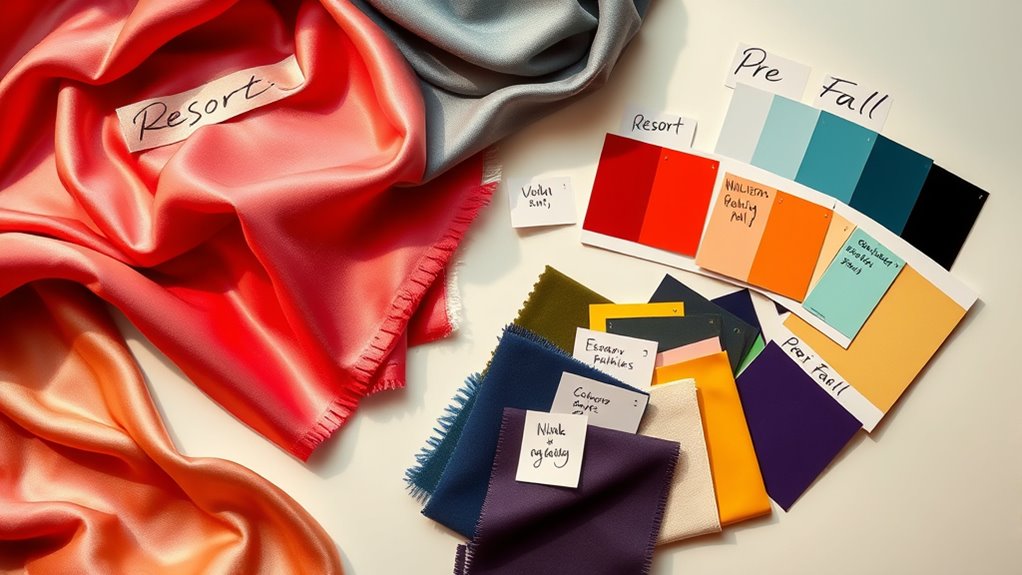

When coding collections like Resort or Pre-Fall, you start by translating your design concepts into standardized identifiers for fabrics, colors, patterns, and silhouettes. You assign industry codes to fabrics and create color references, often using Pantone codes, to guarantee consistency. Each piece in your collection gets detailed documentation that streamlines production and communication. If you want to understand how these codes connect and support your design process, exploring further will reveal more.
Key Takeaways
- Collection names like Resort or Pre-Fall are classified with specific seasonal codes in industry standards.
- These codes are used in technical packages to distinguish seasonal design timelines.
- Seasonal coding aligns with calendar periods, aiding production scheduling and inventory planning.
- Designers assign standardized season codes when documenting fabric, color, and pattern details.
- Proper coding ensures clear communication and consistency across production and retail channels.

Have you ever wondered how collections are transformed into code? It’s a fascinating process that involves translating creative visions into a structured format that can be shared, analyzed, and ultimately produced. When designers develop a new collection—whether it’s resort, pre-fall, or another seasonal line—they start with a foundational understanding of fabric selection and color palette. These elements aren’t just about aesthetics; they set the entire tone and direction for the collection. You choose fabrics based on texture, weight, and drape, considering how they’ll look and feel in different climates or for specific occasions. The fabric selection influences the coding process because it informs the technical specifications, such as fabric type, fiber content, and manufacturing instructions. Simultaneously, you curate a color palette that reflects the theme or mood of the collection. The palette guides the color codes, ensuring consistency across all pieces and making it easier to communicate the design intent to production teams. Additionally, understanding fabric technology can be crucial for accurately translating the collection into code. Once you’ve nailed down the fabric choices and color palette, the process of coding begins. You break down each design into its core components—silhouette, detailing, trims, and finishing. This is where technical sketches come into play, serving as visual references that translate your design concepts into precise instructions. You assign specific codes to each element, including fabric code, color code, and pattern details, creating a detailed technical package. These codes are critical because they enable manufacturers to reproduce your designs accurately without ambiguity. The coding system also allows you to manage the collection’s consistency, ensuring that colors match across different fabrics and that each piece aligns with the overall theme. Throughout this process, you often use standardized industry codes, like fabric codes, color codes, and pattern identifiers, which streamline communication between designers, pattern makers, and manufacturers. This ensures that everyone involved has a shared understanding, reducing errors and speeding up production timelines. The color palette, for example, might be translated into Pantone codes, while fabric selections are documented with fabric IDs or descriptions. By meticulously assigning these codes, you create a digital blueprint of your collection that captures every detail from fabric type to color nuance. This blueprint not only facilitates smooth production but also allows for future reference, trend analysis, and inventory management. In essence, transforming a collection into code is about precision and clarity. Your choices in fabric selection and color palette are the foundation, but it’s the detailed coding process that turns creative ideas into tangible, manufacturable products. It’s where artistry meets technical expertise, ensuring that each piece in the collection embodies your vision while adhering to the practicalities of production.
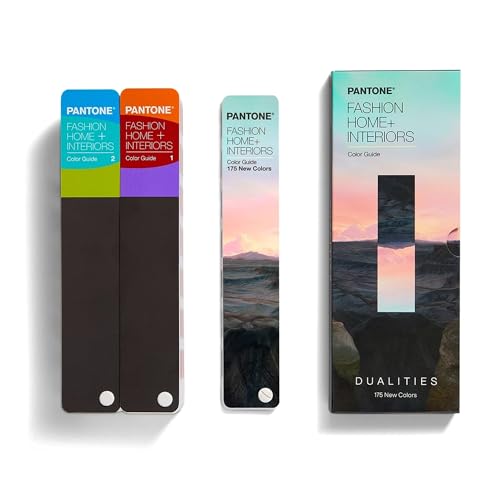
Pantone FHIP110C Fashion, Home + Interiors Colour Guide Set – Two Compact Reference Fan Decks in a Chromatic Colour Arrangement / FHIP110C
Available in all 2,800 Fashion, Home + Interiors Colours, including 175 new hues in the Dualities collection
As an affiliate, we earn on qualifying purchases.
As an affiliate, we earn on qualifying purchases.
Frequently Asked Questions
How Do Designers Decide Which Season to Categorize Their Collections?
You decide which season to categorize your collection based on seasonal branding and collection nomenclature. Consider when your target audience wears the pieces and how they align with seasonal trends, holidays, or shopping periods. You’ll also look at market expectations and retail calendars. By understanding these factors, you assign your collection to the most relevant season, helping customers easily identify the style and timing, ensuring your branding stays consistent and clear.
Are There Specific Color Codes Associated With Each Collection Season?
You’ll find that many brands use specific color codes for each collection season to maintain branding consistency. Notably, seasonal color palettes often include a set of predefined hues that evoke the collection’s theme. These color codes help consumers instantly recognize the season and style, creating a cohesive brand identity. By sticking to these palettes, designers ensure their collections stay aligned with seasonal trends while reinforcing their brand’s visual language.
How Do Retailers Implement Coding for Cross-Season Collections?
You implement coding for cross-season collections by using a flexible system that integrates seasonal trend codes with inventory management. This approach helps you track pieces that span multiple seasons, ensuring accurate categorization and stock control. By assigning specific codes to trends and season overlaps, you streamline inventory, improve sales forecasting, and maintain a cohesive collection strategy that adapts seamlessly across different periods.
What Impact Does Collection Coding Have on Marketing Strategies?
Think of collection coding as your secret map, guiding your marketing strategy like a lighthouse. It shapes your seasonal branding, ensuring your message aligns with each collection’s theme, whether Resort or Pre-Fall. This coding enables marketing synchronization, helping you target audiences with timely, relevant campaigns. By understanding and leveraging these codes, you create cohesive, compelling marketing that resonates and drives sales across every season’s unique story.
Are There Industry Standards for Naming or Numbering Collections?
Yes, there are industry standards for naming collections, often based on consistent naming conventions and seasonal identifiers. You typically see names that combine the season, year, and sometimes a theme or code, making it easier to track and market. These conventions help guarantee clarity across teams and retail locations, maintaining a uniform approach that aligns with seasonal changes and brand identity.
![M METERXITY 100-Pack Clothes Hanger Markers, Plastic XL Size Tag Garment Color Coded Size Clips Fit 3mm-5mm Rod for Clothing/Wire Hangers, Colored Coding Marker [Black]](https://m.media-amazon.com/images/I/51KqOvcrpcL._SL500_.jpg)
M METERXITY 100-Pack Clothes Hanger Markers, Plastic XL Size Tag Garment Color Coded Size Clips Fit 3mm-5mm Rod for Clothing/Wire Hangers, Colored Coding Marker [Black]
[Multipurpose Use] – The color-coding hanger tags are widely used in clothing stores, retail stores, and markets. They…
As an affiliate, we earn on qualifying purchases.
As an affiliate, we earn on qualifying purchases.
Conclusion
Now that you know how collections are coded—whether resort, pre-fall, or others—you can navigate fashion calendars with confidence. Think of it like your own personal GPS, guiding you through seasonal shifts and trends. Just like the Wright brothers’ first flight, understanding these codes might seem small, but it’s a game-changer. With this knowledge, you’re ready to stay ahead of the curve, no matter what the fashion world throws your way.

3D Fashion Design: Technique, Design and Visualization
As an affiliate, we earn on qualifying purchases.
As an affiliate, we earn on qualifying purchases.

Slapaflife Planner Stickers (24 Page, 1000+ Stickers, Multicolor, Paper, Vintage Style, Holiday & Seasonal Themed, Planner & Scrapbook Accessories)
[24 Completely Unique Designs for Every Occasion]: This sticker set includes 24 entirely different themed sheets, each carefully…
As an affiliate, we earn on qualifying purchases.
As an affiliate, we earn on qualifying purchases.