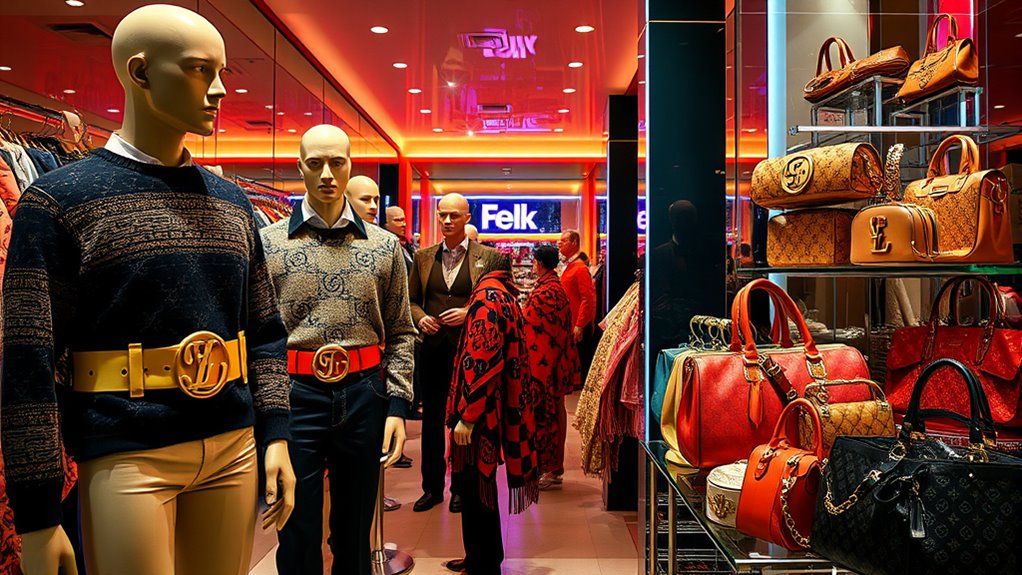

In the 2000s, logomania turned luxury brands into bold fashion statements by making logos prominent on clothing, accessories, and sneakers. Influenced by celebrity styles and collaborations with streetwear brands, it blurred the lines between luxury and everyday wear. This trend made high-end logos symbols of status and identity, appealing to a wider audience. If you’re curious about how this trend shaped modern fashion, there’s more to explore here.
Key Takeaways
- Logomania in the 2000s transformed brand logos from subtle symbols to bold fashion statements across clothing and accessories.
- Luxury brands collaborated with streetwear and pop icons, making high-end logos more accessible and trend-driven.
- Celebrity endorsements amplified logos’ visibility, associating them with glamour, status, and aspirational lifestyles.
- Strategic partnerships and star power fostered a sense of community and identity through logo-heavy fashion pieces.
- Logomania elevated logos as essential elements of modern style, reinforcing brand recognition and cultural significance.
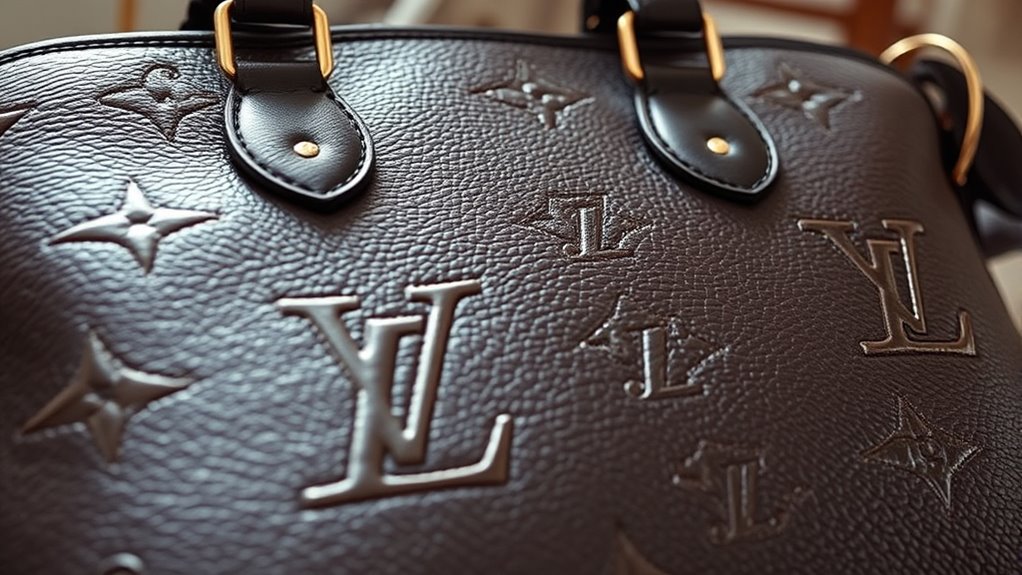
In the 2000s, logomania took over fashion, transforming brand names into bold statements that everyone wanted to wear. Suddenly, showing off logos wasn’t just a subtle nod to luxury—it became a central part of style, making brands instantly recognizable. You saw it everywhere: on T-shirts, handbags, sneakers, and accessories, turning logos into status symbols. This trend wasn’t just about brand pride; it was about making a statement. Major labels embraced this movement, leveraging designer collaborations and celebrity endorsements to amplify their reach and desirability.
Logomania in the 2000s made logos bold statements, symbolizing status and style through collaborations and celebrity influence.
Designer collaborations played a crucial role in fueling logomania’s rise. When high-end brands teamed up with streetwear labels or pop icons, they created buzz that transcended traditional fashion circles. These collaborations made luxury more accessible and exciting, encouraging you to embrace bold branding. Think of limited-edition sneakers or capsule collections where logos were front and center, giving you the chance to wear something exclusive yet unmistakably branded. These partnerships often blurred the lines between luxury and streetwear, making logomania feel fresh and relevant to a broader audience.
Celebrity endorsements took the trend even further. When famous figures flaunted logo-heavy outfits, it instantly boosted the brands’ visibility and desirability. You saw celebrities sporting oversized logos on red carpets, in music videos, and on magazine covers. Their influence made logomania appear glamorous and aspirational. As a result, you felt compelled to incorporate these bold branded pieces into your wardrobe, whether for everyday wear or special occasions. The star power created a ripple effect—if a celebrity wore it, it was a must-have.
This combination of designer collaborations and celebrity endorsements transformed logos from mere identifiers into powerful fashion tools. They helped brands build recognition and create a sense of community among fans who wanted to emulate their style icons. By wearing logo-centric pieces, you were signaling your taste and social status, aligning yourself with the luxury lifestyle that these collaborations and endorsements promoted. The trend also encouraged a playful approach to fashion—mixing and matching logo-heavy items to craft a look that was confident and unmistakably “of the moment.”
In essence, the 2000s logomania was about more than just branding; it was a cultural phenomenon driven by strategic partnerships and star power. It made luxury accessible in a new way, turning everyday items into symbols of identity and status, and ensuring that, for a time, brand names reigned supreme in the fashion world. Additionally, the emphasis on brand recognition helped to solidify logos as a key element of modern fashion identity.
Frequently Asked Questions
How Did Logomania Influence Contemporary Luxury Branding Strategies?
Logomania boosted contemporary luxury branding strategies by emphasizing brand visibility, making logos a key status symbol. You notice brands doubling down on logo placement to attract attention and boost recognition. This approach fosters consumer loyalty by creating a strong, instantly recognizable identity. As a result, brands leverage logomania to stand out in a competitive market, encouraging repeat purchases and building long-term relationships with consumers who value exclusivity and prestige.
What Social or Economic Factors Fueled Logomania’s Rise in the 2000S?
You see, the economic boom of the 2000s gave people more disposable income, making luxury items more appealing. Celebrity influence also played a big role, as stars flaunted big logos, encouraging fans to do the same. This combination created a culture of status and conspicuous consumption, fueling logomania’s rise. People wanted to showcase wealth and style, turning logos into symbols of identity and success.
Were There Regional Differences in Logomania Trends During This Decade?
Imagine a global fashion festival, where each region dances to its own beat. Regional variations in logomania trends during the 2000s reflect cultural influences shaping style choices. In the US, bold branding thrived, while in Asia, a more subtle approach emerged. These differences highlight how local tastes and social norms drive logomania, making it a dynamic tapestry woven from diverse regional influences.
How Did Logomania Impact Consumer Perceptions of Authenticity and Value?
Logomania influenced your perception of authenticity and value by emphasizing brand identity, making logo visibility a sign of status. This trend often boosted consumer trust in well-known brands, as recognizable logos signaled quality and exclusivity. However, it could also lead you to question originality, especially when overexposure made logos seem less genuine. Ultimately, logomania shaped how you assess the worth and credibility of luxury items.
Did the 2000S Logomania Trend Influence Future Fashion Cycles?
You might think the 2000s logomania was just a fleeting fad, but it actually shaped branding evolution and your consumer identity. Ironically, it pushed brands to prioritize visibility, inspiring future fashion cycles to embrace bold logos and statement pieces. Now, your personal style reflects this legacy, blending nostalgia with innovation, proving that even the loudest trends leave a lasting mark on how you see and express yourself in fashion.
Conclusion
By the end of the 2000s, logomania had become a defining trend, with brands like Louis Vuitton and Gucci seeing sales soar thanks to their bold branding. Interestingly, luxury sales grew by over 10% annually during this decade, driven in part by consumers enthusiastic to showcase status through logo-heavy designs. So, next time you spot a flashy logo, remember—you’re witnessing a trend that defined an era of fashion and consumer culture.