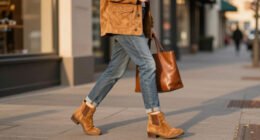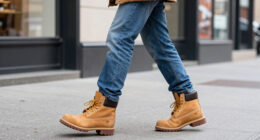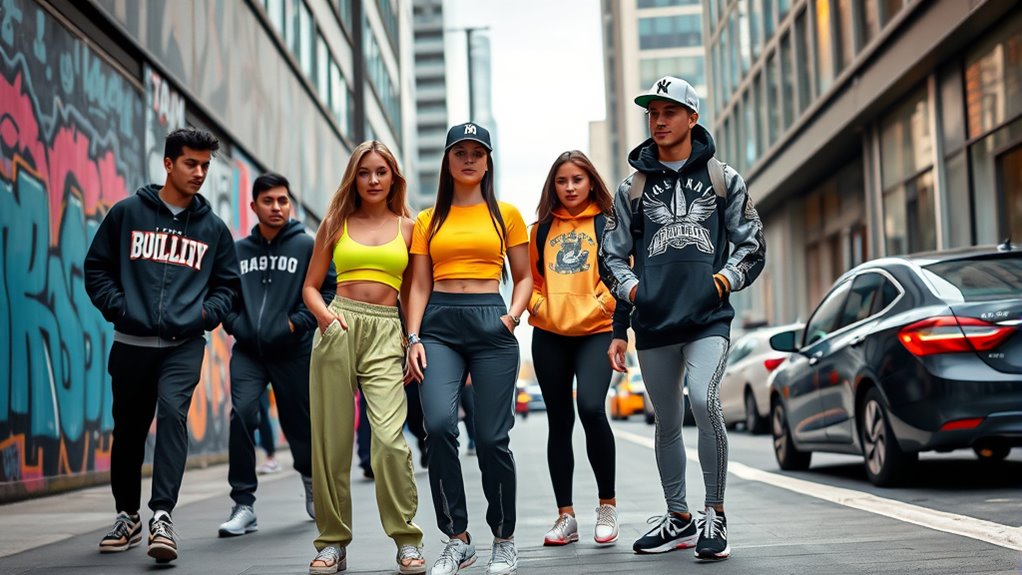

In the 2010s, athleisure and streetwear shifted from niche styles to mainstream fashion, blending athletic, casual, and luxury looks. You saw celebrity influencers and high-profile collaborations elevate these trends, making them accessible and desirable. Sustainability also became key, with brands adopting eco-friendly fabrics. These movements reflected broader cultural shifts toward conscious consumerism and social identity. If you keep exploring, you’ll uncover how these trends transformed everyday fashion into powerful cultural statements.

Get your wardrobe favorites delivered free — and shop member deals
- Fast, free delivery on millions of items
- Access to Prime Big Deal Days deals on October 6–7
- Prime Video, Amazon Music and more included
Key Takeaways
- Athleisure and streetwear transitioned from niche styles to mainstream fashion, driven by celebrity influence and cultural shifts.
- The 2010s saw a focus on sustainable fabrics like recycled polyester and organic cotton, emphasizing eco-consciousness.
- Celebrity endorsements and collaborations elevated streetwear’s status, blending luxury with casual and athletic styles.
- Fast fashion made streetwear more accessible, fueling its widespread popularity and cultural significance.
- Streetwear became a symbol of social identity, creativity, and environmental awareness, reflecting broader societal trends.
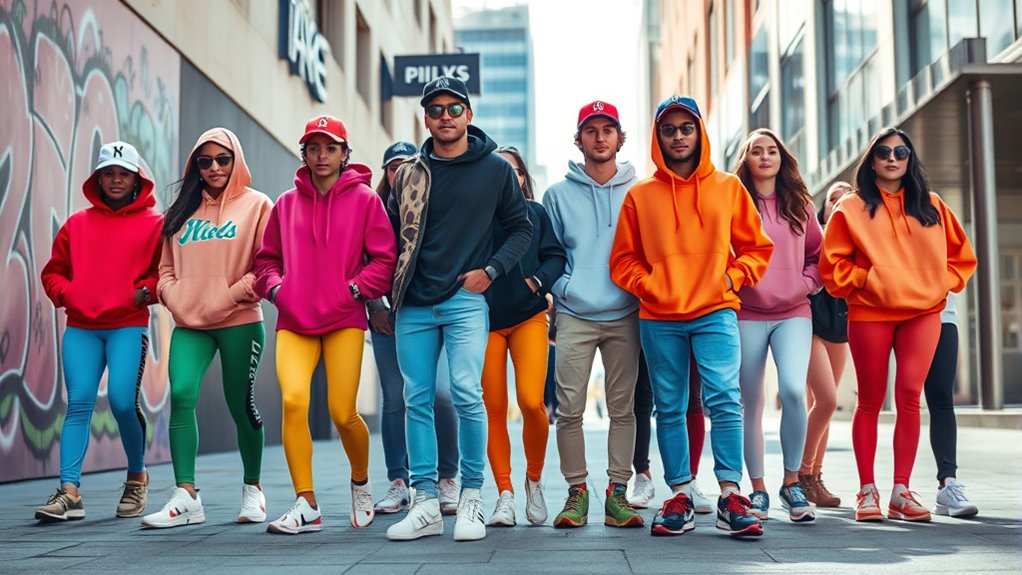
The 2010s saw athleisure and streetwear transform from niche trends into dominant forces in fashion, blurring the lines between athletic, casual, and high-end styles. As you look back, you’ll notice how these styles went from being primarily for workouts or casual outings to becoming mainstream, even luxury, fashion statements. One key factor driving this shift was the increased focus on sustainable fabrics. Designers and brands started prioritizing eco-friendly materials like recycled polyester, organic cotton, and hemp, appealing to consumers who wanted to look good while also supporting environmental causes. This push towards sustainability wasn’t just a marketing gimmick; it reflected a broader cultural shift, encouraging you to make more conscious choices about what you wear. Brands that embraced sustainable fabrics gained credibility, and you, as a consumer, appreciated their effort to reduce environmental impact without sacrificing style or comfort. Additionally, the rise of fast fashion contributed to making streetwear more accessible and affordable for a wider audience, further fueling its popularity.
Celebrity endorsements played a huge role in elevating athleisure and streetwear during this decade. When influential figures like Rihanna, Kanye West, or Pharrell embraced these styles and partnered with major brands, it created a ripple effect. Their visibility on social media, in music videos, or on the runway helped legitimize streetwear as a high-fashion territory. You likely found yourself more inclined to buy sneakers, hoodies, or joggers that celebrities sported, knowing that these items weren’t just everyday wear but also part of a cultural movement. These endorsements often blurred the lines between streetwear and luxury, making it possible for you to wear brands like Yeezy or Off-White and still feel part of the latest fashion wave. This celebrity influence also helped democratize fashion, making streetwear more accessible and desirable across different social groups.
In addition, the collaborations between celebrities and brands further fueled this trend. When a rapper teamed up with a sneaker company or a pop star launched their own clothing line, it created buzz and set new standards for what was fashionable. These collaborations made streetwear feel exclusive yet attainable, encouraging you to experiment with bold styles and mixes of athletic and luxury pieces. Thanks to these endorsements and sustainable fabrics, athleisure and streetwear didn’t just stay functional; they became symbols of identity, creativity, and social consciousness during the 2010s. Your wardrobe, whether casual or high-end, was directly influenced by this cultural shift, transforming everyday wear into a statement of style and values. Moreover, the integration of sustainable fabrics into streetwear collections highlighted a growing awareness about environmental issues within the fashion industry.
As an affiliate, we earn on qualifying purchases.
Frequently Asked Questions
How Did Social Media Influence Athleisure Trends in the 2010S?
Social media marketing and influencer collaborations played a huge role in shaping athleisure trends in the 2010s. You saw brands leverage platforms like Instagram to showcase stylish, comfortable outfits, making athleisure more mainstream. Influencers promoted these styles, inspiring you to adopt a sporty yet fashionable look. This viral exposure accelerated the trend’s popularity, making athleisure a staple in everyday fashion through constant online engagement and authentic influencer endorsements.
What Brands Were Most Influential in Streetwear’s Rise During the Decade?
Imagine a vibrant tapestry woven with bold threads; Nike, Supreme, and Off-White lead the charge, shaping streetwear’s rise. Their influence spreads through iconic brand collaborations and a deep-rooted sneaker culture that turns heads and sets trends. You feel the pulse of urban style, as these brands transform everyday wear into statement pieces, inspiring a movement where fashion, art, and self-expression collide on city streets everywhere.
How Did Athleisure Impact Traditional Sportswear Industry Sales?
You’ll notice that athleisure boosted retail sales markedly, as consumer preferences shifted towards versatile, comfortable clothing. This trend encouraged brands to innovate, blending performance with style, which attracted a broader audience. As a result, traditional sportswear sales grew, especially among casual wearers. However, some specialty athletic brands faced challenges adapting quickly, while mainstream retailers benefited from the increased demand for fashionable activewear.
Were There Any Significant Regional Differences in Streetwear Adoption?
You’ll notice that streetwear adoption varies regionally, heavily influenced by urban culture and regional styles. In North America, streetwear gains popularity through hip-hop and skateboarding scenes, while in Asia, local fashion trends blend with global influences. European cities show a mix of luxury streetwear and street style, reflecting diverse regional tastes. These differences shape how brands target markets and develop region-specific collections, making streetwear a truly global yet locally nuanced phenomenon.
How Did Celebrity Endorsements Shape Athleisure Fashion Trends?
Imagine a spotlight shining brightly on a stage, where celebrities step forward, their endorsements acting like powerful spotlights. You see how celebrity collaborations and endorsement marketing turn ordinary pieces into must-have icons, shaping athleisure trends. When famous figures wear and promote these styles, they influence your choices, making athleisure not just functional but a symbol of lifestyle and status. Their influence fuels the rise of trendy, wearable fashion that everyone aspires to emulate.
Conclusion
As you step into the 2010s, athleisure and streetwear become your armor and anthem, blending comfort with rebellion. They’re more than fashion—they’re a movement that paints your everyday life with vibrant energy and bold statements. Like a river carving new paths, these styles reshape how you express yourself, turning the streets into your runway. Embrace this era’s spirit, and let your wardrobe tell your story—dynamic, fearless, and undeniably you.
Fall Picks
fall essentials
As an affiliate, we earn on qualifying purchases.