
If you have sensitive skin, it is crucial to watch out for ingredients that can cause irritation. Avoid alcohol, harsh preservatives like parabens, SLS, synthetic dyes, and artificial colorants. Opt for gentle, fragrance-free cleansers and products containing soothing ingredients like ceramides, hyaluronic acid, or colloidal oatmeal. These support your skin’s natural barrier and reduce stress. To keep your skin calm and comfortable, pay close attention to ingredient labels—there’s more to discover that can help you choose wisely.
Key Takeaways
- Avoid fragrances, synthetic dyes, and artificial colorants to minimize irritation risks.
- Steer clear of alcohol, harsh preservatives, and SLS, which can cause dryness and redness.
- Choose gentle, fragrance-free cleansers formulated for sensitive skin to prevent barrier disruption.
- Look for products containing soothing ingredients like ceramides, hyaluronic acid, and colloidal oatmeal.
- Opt for preservative-free or mild-preservative formulations to reduce potential allergic reactions.
If you have sensitive skin, knowing which ingredients to avoid can make a big difference in preventing irritation. Your goal should be to choose products that are gentle and free from common irritants. Starting with gentle cleansers is essential; look for options labeled as such, since they’re formulated to cleanse without stripping your skin’s natural barrier. Many gentle cleansers contain mild surfactants that won’t cause dryness or redness. When shopping, opt for fragrance-free formulas, as added fragrances are one of the most common culprits behind skin reactions. Fragrance can be synthetic or natural, but both have the potential to trigger sensitivities. Fragrance-free formulas reduce the risk of irritation and are generally safer for daily use.
Choose gentle, fragrance-free cleansers to protect sensitive skin and prevent irritation.
Avoid ingredients like alcohol, which can dry out your skin and cause discomfort. Alcohol-based products might seem revitalizing initially, but they often strip moisture and weaken your skin’s protective barrier over time. Similarly, steer clear of harsh preservatives such as parabens, formaldehyde releasers, and certain parabens, which can provoke allergic reactions or sensitivities. Instead, seek products that use milder preservatives or are preservative-free altogether.
Another ingredient to watch out for is sodium lauryl sulfate (SLS), a foaming agent that’s commonly found in cleansers and shampoos. SLS can irritate sensitive skin, causing redness, itching, or peeling. When reading labels, choose products that explicitly mention being sulfate-free. Additionally, avoid common synthetic dyes and artificial colorants, which can also irritate sensitive skin. These are often added to make products look more appealing but are unnecessary and potentially harmful for sensitive skin types.
Many skin care products contain active ingredients like fragrances, essential oils, or exfoliants that can be too harsh. If you’re prone to irritation, it’s best to steer clear of essential oils and strong exfoliants like alpha hydroxy acids (AHAs) or beta hydroxy acids (BHAs) unless they’re specifically recommended by your dermatologist. When selecting moisturizers and serums, look for those formulated with soothing ingredients like ceramides, hyaluronic acid, or colloidal oatmeal, which help reinforce your skin’s barrier without causing additional stress.

Cetaphil Face Wash, Hydrating Gentle Skin Cleanser for Dry to Normal Sensitive Skin, 20 oz, Fragrance Free, Soap Free and Non-Foaming
CETAPHIL GENTLE SKIN CLEANSER: Clinically proven to cleanse while hydrating, providing 48 hours of hydration when wiped off…
As an affiliate, we earn on qualifying purchases.
As an affiliate, we earn on qualifying purchases.
Frequently Asked Questions
Are Natural Ingredients Always Safe for Sensitive Skin?
Natural ingredients like natural oils and botanical extracts aren’t always safe for sensitive skin. While they often seem gentle, some can cause irritation or allergic reactions. You should patch-test new products containing these ingredients before full use. Remember, everyone’s skin reacts differently, so even natural oils or botanical extracts can trigger sensitivities. Always choose products designed for sensitive skin and consult a dermatologist if you’re unsure.
How Can I Identify Hidden Irritants in Products?
To identify hidden irritants, always read ingredient labels carefully and look for unfamiliar or known irritants. Perform patch tests on small skin areas before full use, and consider allergen testing recommended by dermatologists. Watch for common irritants like fragrances, dyes, and preservatives. Staying informed and cautious helps you avoid hidden irritants that could trigger sensitivities, ensuring your skincare routine remains gentle and safe for your skin.
Do Fragrance-Free Products Guarantee No Skin Reactions?
You might think fragrance-free products are your safe haven, but beware—hidden pitfalls like fragrance additives and scent masking agents can still trigger reactions. While they reduce known irritants, they don’t guarantee zero skin issues. Always read labels carefully, as some ingredients can be disguised. Your skin’s safety depends on vigilance; don’t assume fragrance-free means irritation-free. Stay alert and choose products with transparent, simple ingredients to truly protect sensitive skin.
Can Synthetic Preservatives Cause Long-Term Skin Issues?
Synthetic preservatives can cause long-term skin issues if you’re prone to preservative allergies. They may trigger inflammation or irritation over time, especially with frequent use. While preservatives help extend ingredient longevity, they can sometimes compromise sensitive skin’s health. To minimize risks, check labels carefully, and opt for products with natural preservatives or preservative-free formulas. Always patch-test new products to avoid potential reactions and protect your skin’s future well-being.
What Steps Should I Take After a Skin Reaction?
After a skin reaction, you should immediately stop using the product and gently cleanse your skin. Consider patch testing new products before full application to identify potential irritants. Keep track of ingredients for better ingredient transparency, which helps in avoiding future reactions. If symptoms worsen, consult a dermatologist promptly. For example, a person with sensitive skin found that avoiding certain fragrances prevented repeated flare-ups, highlighting the importance of ingredient awareness.

Vanicream Daily Facial Moisturizer With Ceramides and Hyaluronic Acid – Formulated Without Common Irritants for Those with Sensitive Skin, 3 fl oz (Pack of 1)
Vanicream is the #1 Dermatologist recommended Brand for Sensitive Skin: Source IQVIA ProVoice Survey, 12 months ending July…
As an affiliate, we earn on qualifying purchases.
As an affiliate, we earn on qualifying purchases.
Conclusion
Knowing which ingredients to avoid can substantially reduce skin reactions if you have sensitive skin. Did you know that up to 60% of skincare ingredients can cause irritation in sensitive individuals? Staying informed about potential irritants helps you make better choices and keep your skin calm and healthy. Keep this watchlist handy, read labels carefully, and prioritize gentle, soothing products. Your skin will thank you for taking these simple steps toward a calmer, happier complexion.
Cetaphil Face Wash, Hydrating Gentle Skin Cleanser for Dry to Normal Sensitive Skin, 20 oz, Fragrance Free, Soap Free and Non-Foaming
CETAPHIL GENTLE SKIN CLEANSER: Clinically proven to cleanse while hydrating, providing 48 hours of hydration when wiped off…
As an affiliate, we earn on qualifying purchases.
As an affiliate, we earn on qualifying purchases.
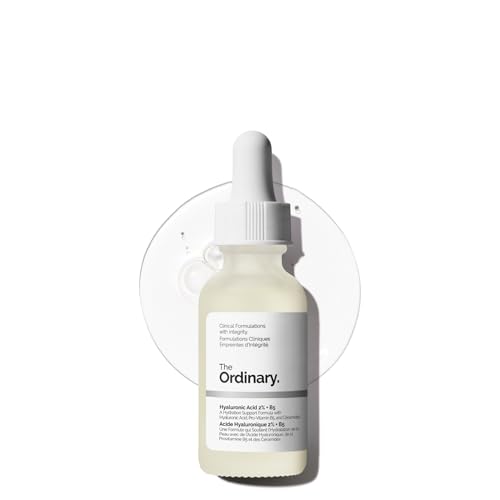
The Ordinary Hyaluronic Acid 2% + B5 (with Ceramides), Multi-Depth Hydration Serum for Plumper, Smoother Skin, 1 Fl Oz
INSTANT HYDRATION: Provides immediate, long-lasting hydration for smoother, plumper, and healthier-looking skin.
As an affiliate, we earn on qualifying purchases.
As an affiliate, we earn on qualifying purchases.