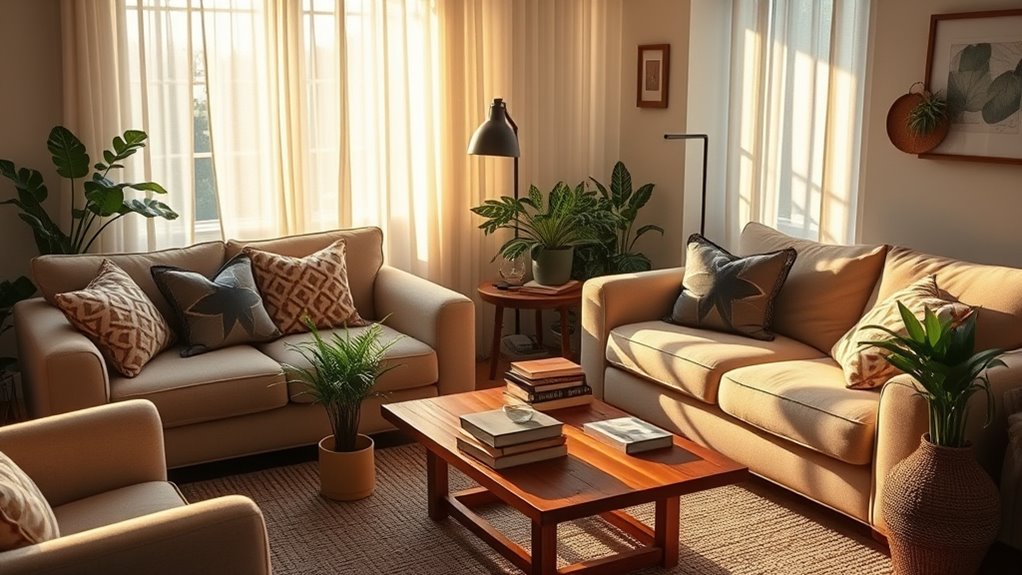

To boost your mood at home during darker months, increase your daily light exposure by opening curtains wide and sitting near windows during the day. Consider using a light therapy box, especially in the morning, to mimic natural sunlight and reset your internal clock. Spend time outside when possible to soak up natural light. These simple steps can help you stay energized and balanced; keep going to discover more effective tips for brighter days.

Get your wardrobe favorites delivered free — and shop member deals
- Fast, free delivery on millions of items
- Access to Prime Big Deal Days deals on October 6–7
- Prime Video, Amazon Music and more included
Key Takeaways
- Maximize natural light by opening curtains and sitting near windows during daytime hours.
- Use a light therapy box with 10,000 lux for 20-30 minutes each morning to boost mood.
- Position the light box on a desk or table, ensuring your eyes face the light indirectly for optimal benefits.
- Incorporate brief outdoor time in sunlight to enhance natural light exposure and energy levels.
- Maintain daily routines with consistent light exposure to help regulate sleep patterns and improve mood.
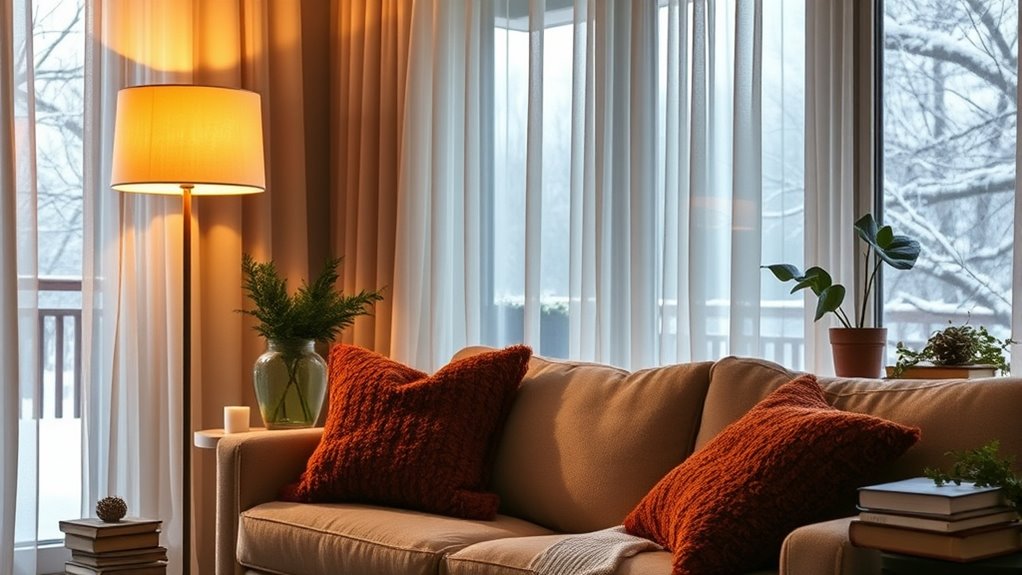
As the seasons change, so can your mood and energy levels. You might find yourself feeling more sluggish or less motivated during the darker months, but there are simple ways to combat this. One effective method is light therapy, which involves using a specialized light box that mimics natural sunlight. When you incorporate light therapy into your routine, you give your body the boost it needs to reset its internal clock and improve your overall mood. This technique is particularly helpful if you notice a dip in your energy or a sense of sadness that’s hard to shake. By sitting near a light therapy box for about 20-30 minutes each morning, you can experience a mood boosting effect that helps you feel more alert and positive throughout the day.
Using light at home doesn’t have to be complicated. You can position your light box on a desk or table where you spend time reading or working, ensuring your eyes are directed toward the light without looking directly into it. Consistency is key—integrating this practice into your morning routine can make a significant difference. The benefits extend beyond just mood boosting; this exposure can also help regulate your sleep-wake cycle, making it easier to fall asleep at night and wake up feeling refreshed. The right light therapy device should emit a bright, white light with a specified lux level, usually around 10,000 lux, to simulate sunlight effectively. Additionally, choosing the right light therapy device can enhance your overall experience and results.
In addition to using a light therapy box, you can enhance your environment by maximizing natural light. Open your curtains wide during the day, sit near windows when possible, and spend time outside during daylight hours. Even a few minutes of sunlight exposure can elevate your mood and boost your energy. Combining these strategies with the use of artificial light helps create a holistic approach to managing seasonal blues. Remember, the goal is to bring more light into your daily routine, which naturally encourages a mood boosting effect and improves your overall sense of well-being during the darker months. Taking these small steps at home can make a big difference, helping you feel more balanced, energized, and ready to face the season ahead.
Frequently Asked Questions
Can Light Therapy Be Used for Other Mood Disorders?
Yes, light therapy can be used for other mood disorder treatments, like depression and bipolar disorder. You should always check with your healthcare provider first to confirm light therapy’s safety for your specific condition. It’s generally safe when used correctly, but some people may experience side effects. Light therapy can be a helpful addition to your overall treatment plan, especially when combined with other therapies.
What Are the Best Types of Lights for Seasonal Affective Disorder?
Think of light therapy as your personal sunbeam. The best lights for seasonal affective disorder emit a broad light spectrum, closely mimicking natural sunlight. Look for a lamp with at least 10,000 lux and guarantee proper lamp placement—ideally about 16-24 inches from your eyes, angled slightly downward. This setup helps maximize benefits and reduce eye strain, brightening your days and lifting your mood naturally.
How Long Should I Sit Near a Light Each Day?
You should aim for about 20-30 minutes of light box duration each day, sitting near the light at the ideal sitting time, usually in the morning. This allows your brain to get the necessary exposure to regulate your mood effectively. Make sure you sit at the proper distance from the light and follow your healthcare provider’s recommendations to maximize benefits without causing eye strain or discomfort.
Are There Natural Alternatives to Artificial Light Therapy?
Think of natural remedies as your personal sunlight in disguise. You can boost your mood with dietary modifications like eating omega-3 rich foods, which support brain health, and increasing vitamin D intake through fish or fortified products. Spending time outdoors during daylight hours also helps, giving you natural light that can rival artificial therapy. Incorporate these habits into your routine to brighten your days without relying solely on artificial light.
Can Adjusting Home Lighting Improve Sleep During Winter?
Adjusting your home lighting can definitely improve your sleep during winter. Use cozy home decor with warm-colored bulbs and position lights strategically to mimic natural sunlight. Keep lights soft and avoid bright screens before bed, especially in the evening. By optimizing light positioning and choosing soothing fixtures, you help regulate your circadian rhythm, making it easier to fall asleep and wake up refreshed, even on the gloomiest winter days.
Conclusion
As the days gently shift and the world outside softly dims, remember that a touch of light at home can brighten even the gloomiest moments. Think of your space as a cozy haven where rays dance softly, guiding your mood like a gentle sunrise. Embrace small changes, like opening curtains wider or adding warm lamps, to invite the sun’s embrace. With these simple steps, you’ll find your own glow, even when the seasons seem to whisper for quiet.
Fall Picks
fall essentials
As an affiliate, we earn on qualifying purchases.