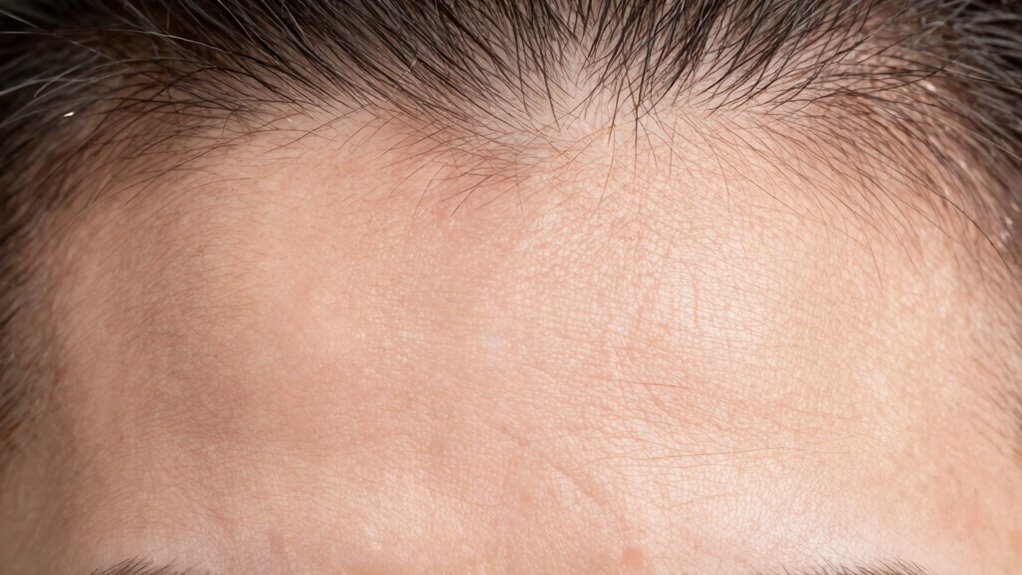

Your scalp health is the key to strong, vibrant hair because it’s where hair growth begins. When your scalp’s pH balance, hygiene, and moisture levels are maintained, your hair follicles stay healthy and productive. Issues like dryness, excess oil, or irritation can block growth and weaken strands. Taking care of your scalp through proper products, habits, and nutrition creates the ideal environment for healthy hair. Keep going to discover how to boost your scalp’s wellness for better hair.
Key Takeaways
- Healthy hair growth begins with a balanced, well-nourished scalp that supports strong hair follicles.
- Proper scalp pH helps maintain natural oils and bacteria, preventing dryness and excess oil.
- Regular scalp cleansing and exfoliation remove buildup, promoting healthier follicles and hair growth.
- Adequate hydration and nutrition provide essential nutrients for skin renewal and follicle health.
- Addressing scalp issues early ensures a clean, balanced environment vital for optimal hair growth.
As an affiliate, we earn on qualifying purchases.
Why a Healthy Scalp Is the Foundation for Strong Hair
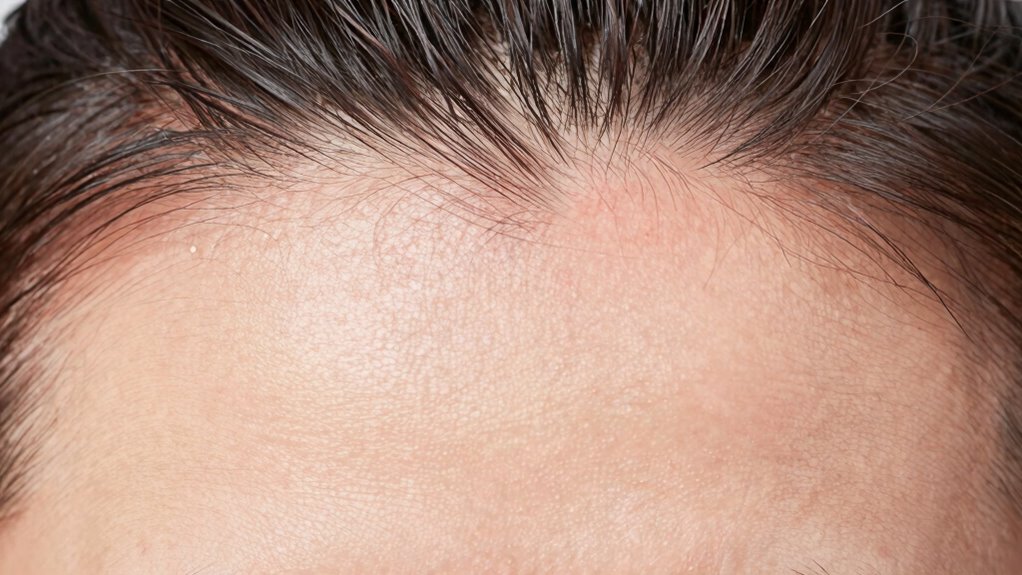
Have you ever wondered why some people have thick, healthy hair while others struggle with hair loss? It all starts with your scalp’s health, which depends on maintaining the right scalp pH. A balanced scalp pH, usually slightly acidic around 4.5 to 5.5, helps keep your scalp’s natural oils and bacteria in check. When this balance is disrupted, it can lead to issues like dryness or excess oil, both of which harm hair follicle health. Healthy hair follicles are essential for strong, resilient hair growth. If your scalp’s pH is off, it can weaken these follicles, making hair more prone to breakage and thinning. Maintaining scalp pH balance is crucial for optimal hair health. Keeping your scalp’s pH balanced creates the ideal environment for strong, vibrant hair to thrive, supporting overall hair follicle health. Additionally, proper scalp care can prevent bacterial imbalance, which is vital for maintaining a healthy scalp environment. Regular cleansing and using pH-balanced products help reinforce this delicate scalp ecosystem, promoting long-term hair vitality.
Common Scalp Problems That Affect Hair Growth
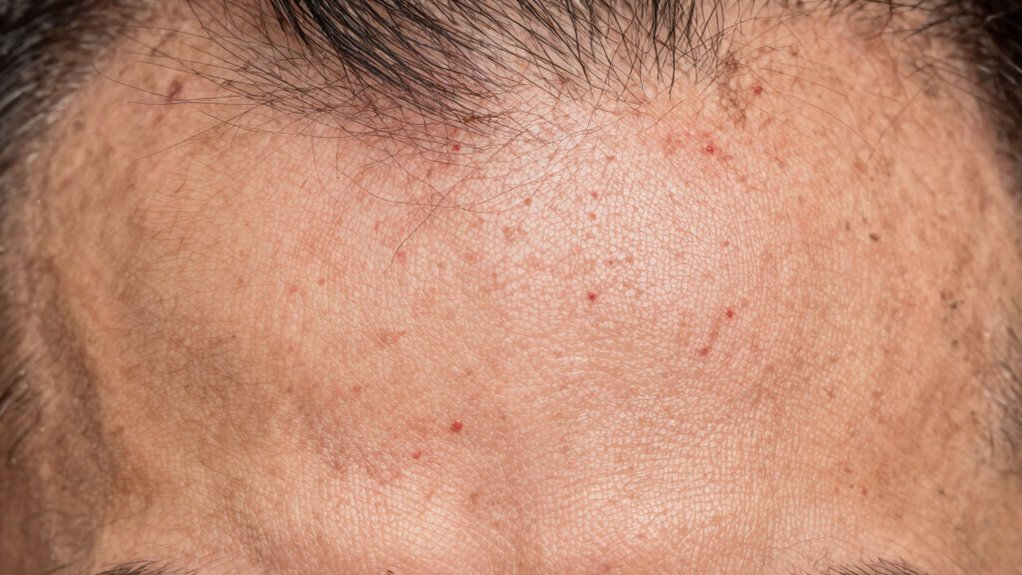
You might notice flakes or itchiness on your scalp, which could be signs of dandruff or dry skin. Excess oil buildup can also clog hair follicles and hinder growth. Recognizing these issues early helps you take steps to keep your scalp healthy and your hair thriving. Understanding scalp health and its role in hair growth can guide you in choosing appropriate treatments and maintaining a balanced scalp environment. Additionally, factors like scalp microbiome balance play a significant role in overall scalp well-being and hair vitality. Maintaining proper hygiene and avoiding harsh chemicals can support a healthy scalp environment that promotes optimal hair growth. Regular cleansing and scalp care routines can further support a balanced environment conducive to healthy hair development.
Dandruff and Flaking
Why do dandruff and flaking commonly disrupt scalp health? It’s often due to dry scalp conditions that reduce scalp hydration, leading to dead skin buildup and irritation. When your scalp isn’t properly moisturized, it becomes more prone to flaking and dandruff. Using effective dandruff remedies can help restore balance, but it’s essential to address underlying dryness first. Incorporating scalp hydration into your routine by using gentle, moisturizing shampoos and avoiding harsh cleansers that strip natural oils can make a significant difference. Proper hydration helps prevent excessive shedding of dead skin cells, reducing flakes and irritation. Maintaining a healthy scalp environment encourages hair growth and keeps your scalp free from persistent dandruff issues. Consistent scalp care and targeted treatments are key to managing flaking and supporting overall scalp health. Incorporating exfoliating ingredients like glycolic acid can be particularly beneficial in scalp exfoliation, improving scalp texture when used appropriately. Additionally, understanding the role of hydration and moisture balance can further enhance scalp health and prevent recurring issues.
Excess Oil Buildup
Excess oil buildup on the scalp can clog hair follicles, hindering healthy hair growth and leading to a greasy appearance. When you have oil excess, your scalp becomes congested, trapping dirt and dead skin cells that worsen scalp congestion. This buildup can suffocate hair follicles, making it difficult for new hair to grow freely. Frequent use of heavy hair products or infrequent washing can contribute to this problem. To combat oil excess, opt for gentle, clarifying shampoos and avoid overwashing, which can strip natural oils and trigger more oil production. Maintaining a balanced scalp environment helps reduce scalp congestion, ensuring your hair follicles remain clear and healthy. Addressing excess oil buildup is essential for promoting optimal hair growth and a fresh, clean scalp. Additionally, implementing practices that support scalp health can further improve overall hair vitality, including proper oil regulation techniques. Staying aware of market trends and insights can also help you understand how external factors might influence scalp conditions and hair growth. For example, understanding the impact of external influences like climate and product choices can assist in better managing scalp health.
How to Identify Your Scalp Type and Find the Right Care
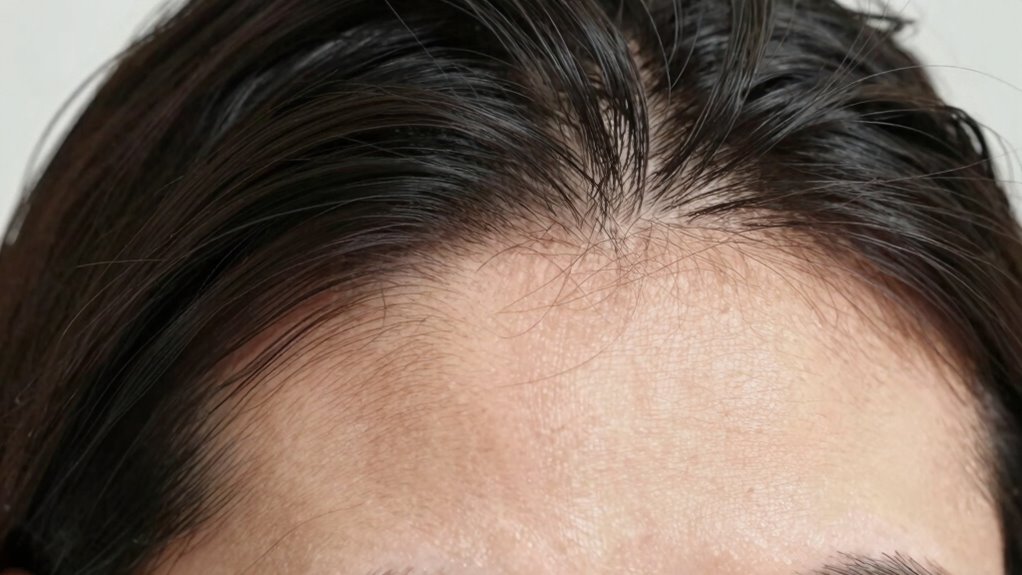
Understanding your scalp type is essential for choosing the right hair care routine. To do this, you need to perform scalp type identification, which helps you understand whether your scalp is oily, dry, or balanced. Using simple tools like scalp assessment techniques can make this process more accurate. Here are three steps to find your scalp type and develop personalized scalp care:
Knowing your scalp type is key to selecting the right hair care routine.
- Wash your hair and avoid products for 24 hours to see your natural scalp condition. This allows your scalp to return to its baseline state, making assessment more reliable.
- Observe your scalp: Is it greasy, flaky, tight, or comfortable? Recognizing these signs can indicate your specific scalp condition.
- Assess your scalp’s response to cleansing and styling—this reveals your specific needs. Understanding how your scalp reacts can help determine whether you need hydration, oil control, or soothing treatments, aligning with scalp health fundamentals.
Knowing your scalp type allows you to select products tailored to your skin’s condition, promoting healthier hair growth and preventing issues. Proper identification is key to effective, personalized scalp care, especially when considering hair health fundamentals.
Daily Habits for a Clean, Balanced, and Healthy Scalp
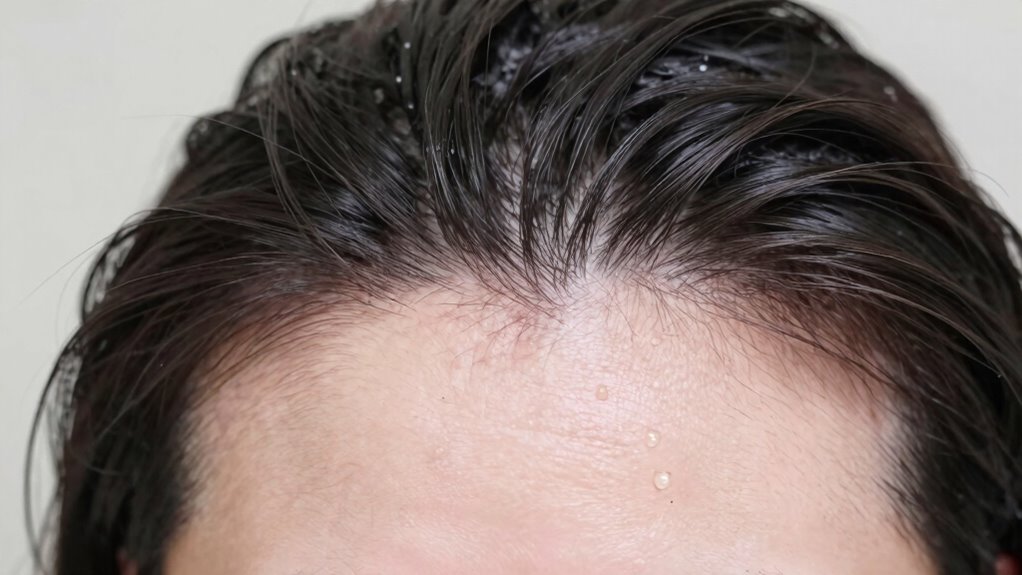
Maintaining a clean, balanced scalp starts with adopting daily habits that support its health. Regular scalp massage stimulates blood flow, helping to distribute natural oils evenly and promote scalp vitality. Incorporate gentle scalp massage into your routine for a few minutes daily, using your fingertips or a soft brush. Additionally, scalp exfoliation is key to removing dead skin cells and excess buildup, preventing clogged follicles and dandruff. Use a gentle exfoliating treatment once or twice a week, focusing on areas prone to dryness or oiliness. Consistent habits like these help maintain a healthy environment for hair growth, reducing irritation and promoting scalp clarity. Moreover, understanding scalp health can help you choose the most suitable hair care products for your specific needs. Developing a routine that includes the use of essential oils known for their scalp benefits, such as rosemary or lavender, can further support overall scalp wellness. Incorporating proper filter maintenance into your hair care routine can also help ensure your scalp remains free from pollutants and irritants. Regularly checking and replacing your hair care products can prevent the buildup of potentially harmful ingredients that impact indoor air quality around your scalp and hair. Remember, a clean, balanced scalp is the foundation of vibrant, healthy hair.
Best Scalp Care Products to Support Hair Growth

Choosing the right scalp care products can make a big difference in supporting hair growth. Healthy scalp cleansers keep your scalp fresh and free from buildup, while nourishing serums target root health. Incorporating these products into your routine can help promote stronger, thicker hair over time. Additionally, understanding the importance of art care in maintaining overall well-being can contribute to a healthier mind and body, ultimately supporting your hair health journey. Using products with proper hair maintenance techniques can further enhance scalp health and encourage natural growth, especially when combined with techniques like sound quality optimization to ensure your scalp and hair are cared for comprehensively.
Healthy Scalp Cleansers
Are you aware that the right scalp cleanser can make a significant difference in promoting healthy hair growth? Choosing the right product helps remove buildup, excess oil, and dirt, creating an ideal environment for follicles. Look for cleansers that promote scalp exfoliation, which clears away dead skin cells and prevents clogged follicles. Incorporate a gentle scalp massage during cleansing to boost circulation and stimulate hair follicles. Here are some top choices:
- Clarifying shampoos with salicylic acid or tea tree oil
- Scalp scrubs with natural exfoliants like jojoba beads
- pH-balanced cleansing formulas for sensitive skin
Using these cleansers regularly, combined with scalp massage, can improve scalp health and support stronger, thicker hair growth.
Nourishing Hair Serums
Nourishing hair serums play a essential role in supporting scalp health and encouraging hair growth. They deliver essential nutrients directly to your scalp, promoting improved circulation through regular scalp massage. Many serums contain herbal infusions that soothe irritation and strengthen roots. When used consistently, these products enhance the scalp environment, making it more receptive to healthy hair growth. To illustrate, consider the following:
| Benefits of Hair Serums | How to Maximize Results |
|---|---|
| Stimulate circulation | Massage serum into scalp daily |
| Nourish hair follicles | Use herbal infusions for added strength |
| Reduce irritation | Apply after cleansing |
| Promote scalp balance | Combine with scalp massage |
Choosing the right serum tailored to your needs can release your hair’s full potential.
How Nutrition and Hydration Influence Your Scalp Health
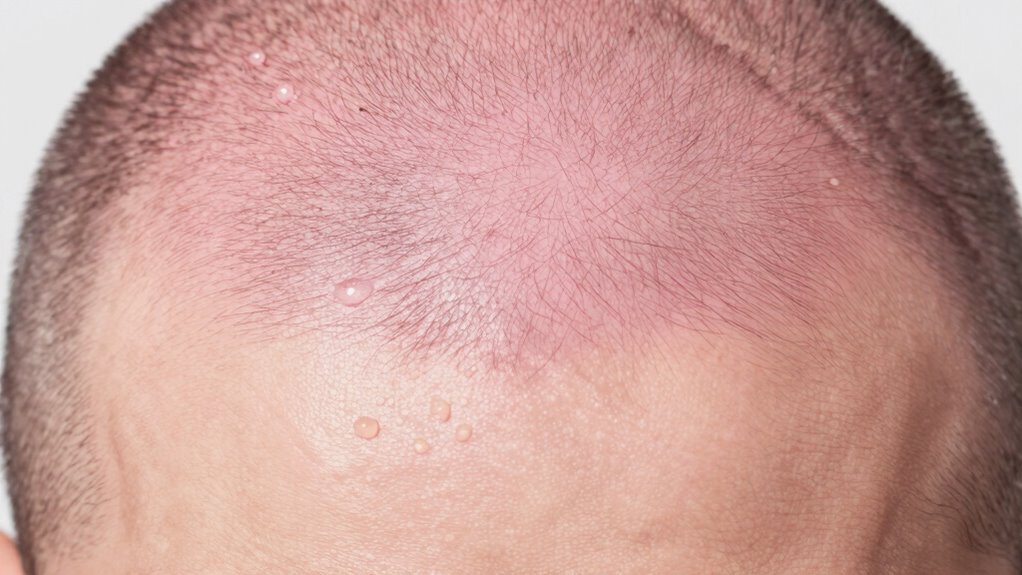
Your scalp’s health heavily depends on what you eat and drink. Proper nutritional balance fuels healthy skin and hair follicles, while adequate hydration keeps your scalp moist and prevents dryness. When you don’t maintain these, your scalp can become flaky, itchy, or dull. To support ideal scalp health, focus on these key factors:
Healthy scalp depends on good nutrition and hydration—fuel your skin and hair for a vibrant, flake-free look.
- Consuming foods rich in vitamins A, C, E, and biotin to promote skin renewal.
- Drinking plenty of water to maintain hydration levels and flush out toxins.
- Limiting processed foods and sugar, which can cause inflammation and negatively impact scalp condition.
Professional Treatments to Improve Your Scalp Condition
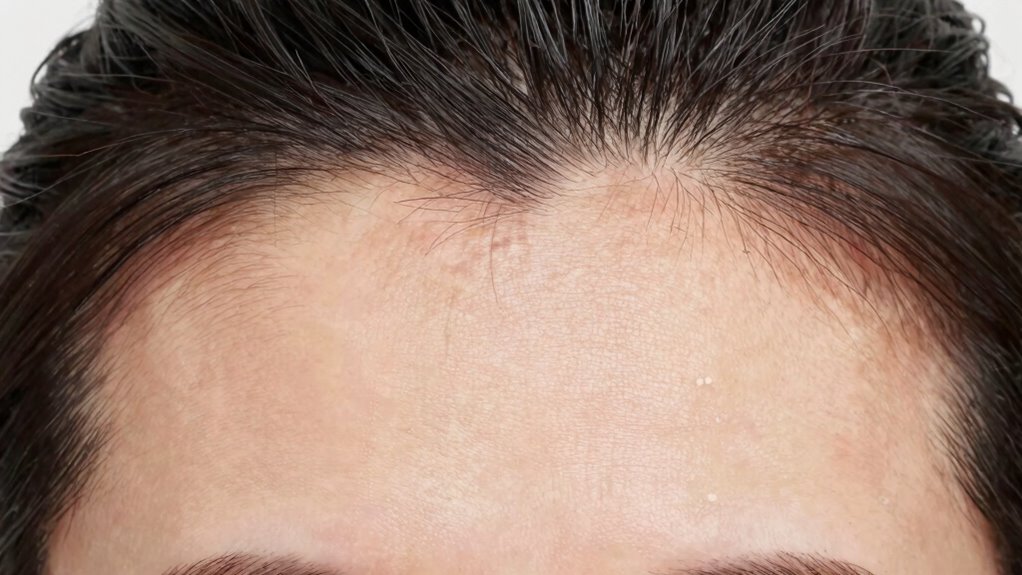
Maintaining good nutrition and hydration lays a strong foundation for scalp health, but sometimes professional treatments are necessary to tackle ongoing issues. Treatments like scalp exfoliation remove dead skin and buildup, promoting healthier follicle function. Scalp massage stimulates blood flow, reducing tension and encouraging growth. These therapies can make a real difference if you struggle with dullness or clogged pores. Here’s a quick overview:
| Treatment Type | Benefits |
|---|---|
| Scalp Exfoliation | Clears debris, boosts circulation, enhances absorption |
| Scalp Massage | Relieves tension, stimulates hair follicles |
| Professional Treatments | Improve scalp health, promote stronger growth |
Investing in these treatments can give your scalp the extra care it needs for *ideal* hair growth.
Tips to Prevent Dandruff, Irritation, and Dryness
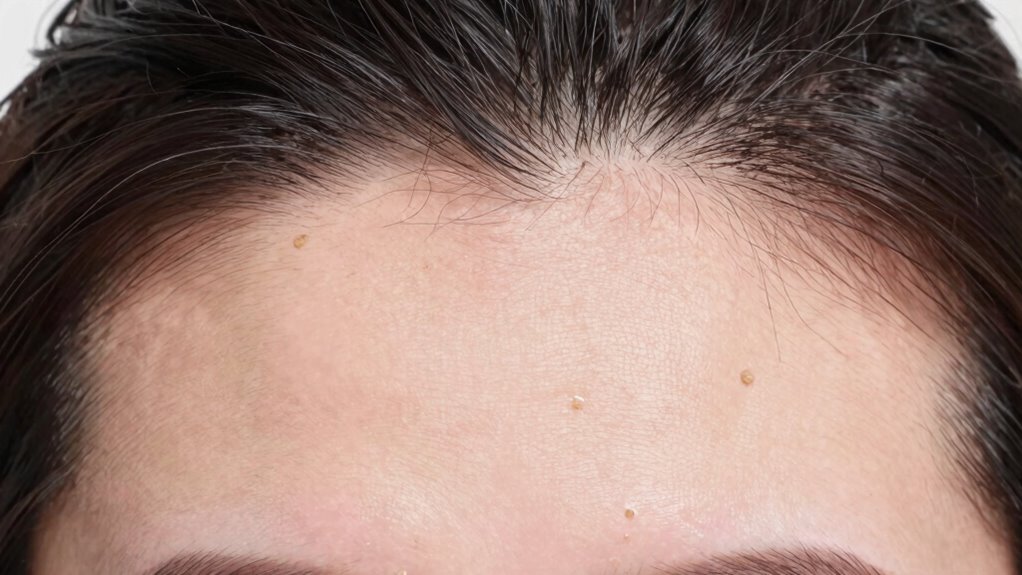
To prevent dandruff, irritation, and dryness, adopting a consistent scalp care routine is essential. Good scalp hygiene helps keep your scalp clean and free of buildup that can cause flakiness. Incorporating scalp exfoliation once a week removes dead skin cells and unclogs hair follicles, reducing dryness and irritation.
Consistent scalp care prevents dandruff and dryness by maintaining cleanliness and exfoliating weekly.
Here are three tips to help you maintain a healthy scalp:
- Use gentle, sulfate-free shampoos suited for your scalp type.
- Regularly exfoliate with a scalp scrub or brush to promote renewal.
- Avoid overly hot water and harsh chemicals that strip natural oils.
Sticking to these practices will keep your scalp balanced, reduce dandruff, and foster a healthy environment for hair growth.
Building a Long-Term Scalp Care Routine for Luscious Hair
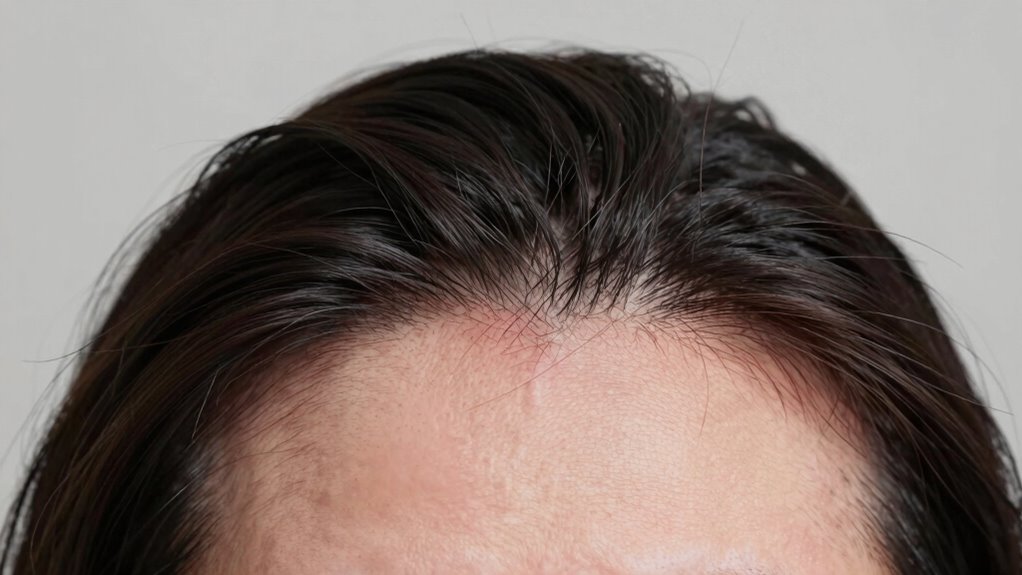
Establishing a long-term scalp care routine is key to achieving luscious, healthy hair. Consistent habits nurture your scalp microbiome, supporting balanced bacteria that promote hair follicle health. To build an effective routine, focus on gentle cleansing, regular scalp massages, and nourishing treatments. Recognize that a healthy scalp creates ideal conditions for hair growth and resilience.
| Healthy Scalp Habits | Benefits |
|---|---|
| Regular cleansing | Removes buildup, prevents irritation |
| Scalp massages | Stimulates circulation, boosts follicle health |
| Nourishing treatments | Strengthens hair, maintains microbiome balance |
| Avoid harsh products | Protects scalp barrier, reduces dryness |
Frequently Asked Questions
Can Scalp Health Affect Hair Color and Texture?
Yes, scalp health can influence your hair color and texture. Poor scalp conditions may disrupt hair pigmentation, leading to dull or uneven color. Additionally, unhealthy scalp skin can cause hair texture changes, making hair frizzy, brittle, or limp. Keeping your scalp healthy ensures proper nutrient delivery to hair follicles, supporting vibrant color and consistent texture. Regular scalp care helps maintain your hair’s natural beauty and health.
Are There Natural Remedies for Scalp Issues?
Yes, you can try natural remedies for scalp issues. Herbal remedies like aloe vera, tea tree oil, and neem help soothe irritation and combat dandruff. Essential oils such as peppermint, lavender, and rosemary stimulate scalp circulation and promote healthy hair. Mix a few drops with a carrier oil and massage it into your scalp regularly. These natural options are gentle and effective for maintaining scalp health.
How Does Stress Impact Scalp Health and Hair Growth?
Stress can negatively impact your scalp health and hair growth by disrupting circulation and triggering hormonal imbalances. To combat this, practice stress management techniques like meditation or deep breathing, which help improve scalp circulation. Regular scalp massage also stimulates blood flow, promoting healthier hair follicles. By reducing stress and incorporating scalp massages into your routine, you support better scalp health and encourage natural hair growth.
What Are the Signs of Underlying Scalp Infections?
Your scalp can scream for help when infected. Look out for signs of infection like intense itching, redness, swelling, or pus-filled bumps. Scalp infections might cause dandruff that’s stubborn and doesn’t respond to regular shampoos, or hair loss in patches. If you notice these symptoms, it’s vital to see a dermatologist promptly. Ignoring these signs can lead to more serious issues, making your scalp a battleground for health.
How Often Should I Change My Scalp Care Routine?
You should change your scalp care routine every few months or when it stops delivering results. Pay attention to product ingredients; if they cause irritation or aren’t effective, switch them out. Consistency is key, so stick with your routine regularly, but don’t be afraid to adapt based on how your scalp responds. Regular updates ensure you’re using the best products for your scalp’s health and hair growth needs.
Conclusion
Your scalp is the secret to truly luscious hair, but the journey doesn’t end here. When you understand its needs and commit to consistent care, you uncover more than just better hair — you tap into your scalp’s full potential. The real transformation begins with what you do next. Are you ready to discover the unexpected changes awaiting you? The key to your healthiest hair might be closer than you think — if you dare to look deeper.