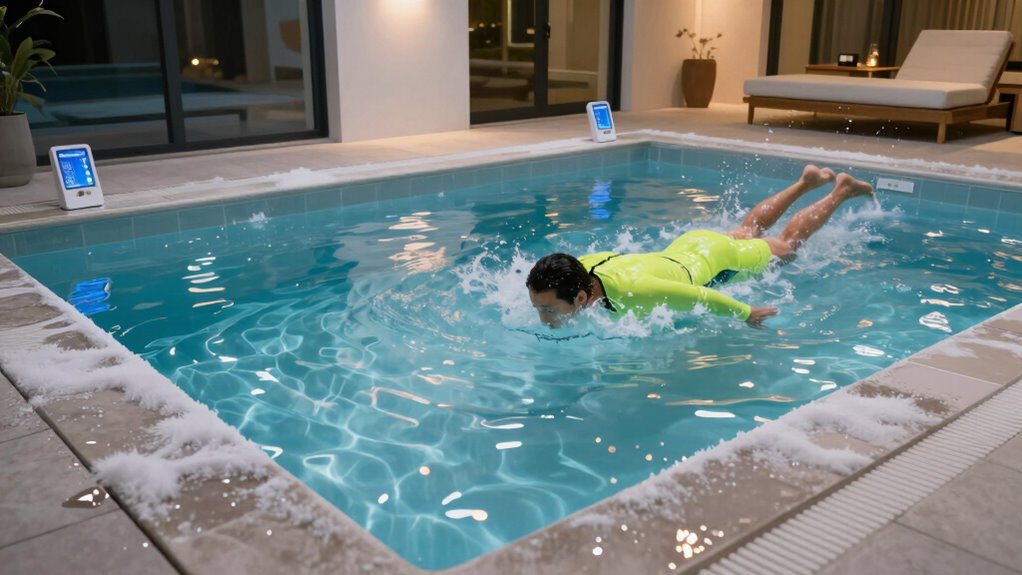
If you’re doing a cold plunge at home, aim for water temperatures between 50°F and 59°F to stay safe and maximize benefits like reduced inflammation and faster recovery. Myth has it colder is always better, but extreme cold can be risky. Monitoring water temperature with a reliable thermometer is key. To discover practical tips on setting up your cold plunge and avoiding common myths, keep exploring how to do it safely and effectively.
Key Takeaways
- Maintain water temperature between 50°F and 59°F (10°C–15°C) for safe, effective cold plunges at home.
- Adjust temperatures gradually to match your recovery or resilience goals, monitoring regularly with a thermometer.
- Cold plunges can reduce inflammation and aid muscle recovery but should be combined with rest and hydration.
- Myth: Extreme cold always speeds healing; safe, moderate temperatures are more effective and less risky.
- Always prioritize safety: avoid plunging if uncomfortable, and exit immediately if experiencing dizziness or numbness.
What Are Cold Plunges and Why Are They Popular for Recovery?
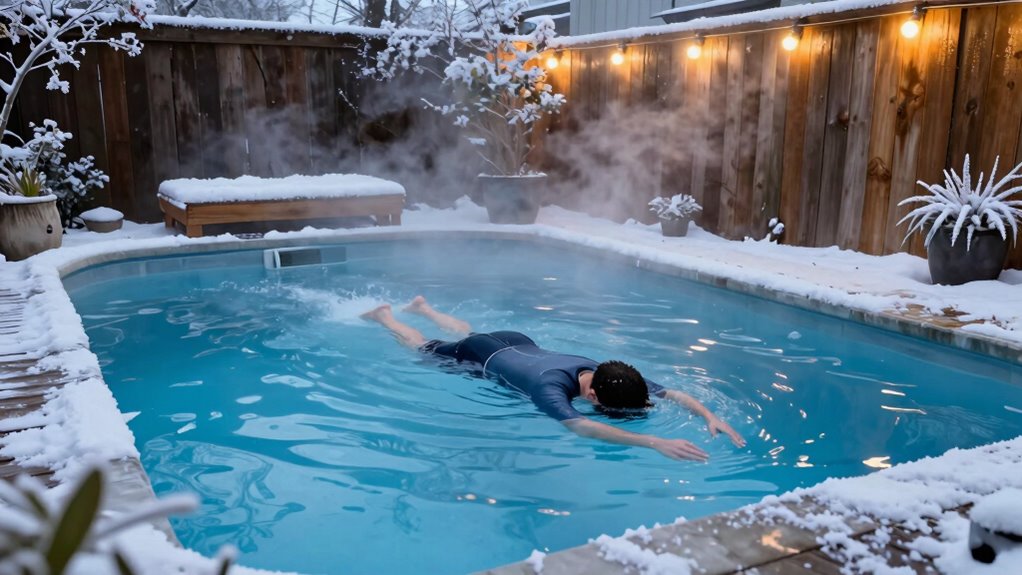
Cold plunges involve immersing your body in ice-cold water, typically between 50°F and 59°F, for a short period. This exposure triggers a cold shock response, which can boost circulation and reduce inflammation. Many people use cold plunges for recovery because they help with muscle repair after intense workouts. The cold water constricts blood vessels, decreasing swelling and flushing out metabolic waste. When you exit the plunge, the sudden temperature change causes blood vessels to dilate, delivering fresh blood and nutrients to tired muscles. This cycle accelerates recovery and alleviates soreness. Regular cold plunging has gained popularity among athletes and fitness enthusiasts because it’s an effective, natural way to support muscle repair and reduce recovery time. Temperature regulation is a key benefit, helping the body adapt more efficiently to physical stress.
How Cold Should Your Home Cold Plunge Be? The Best Temperature Range
The ideal temperature for your home cold plunge depends on your goals and comfort level. Generally, a range between 50°F and 59°F (10°C to 15°C) works well for most people, but you might want it colder or warmer based on your needs. Adjusting the temperature gradually can help you find the most effective and comfortable setting. Incorporating free floating techniques can also enhance recovery and relaxation during your cold plunge sessions. Understanding temperature regulation can help you optimize your experience and avoid discomfort. Additionally, being aware of energy-efficient cooling methods can contribute to maintaining your desired temperature sustainably. Exploring smart home integration options can further improve precise control and energy savings for your cold plunge setup. Being mindful of temperature stability can ensure consistent results and safety over time.
Optimal Chilling Temperatures
Finding the right temperature for your home cold plunge is essential to maximize its benefits and guarantee safety. Ideally, your plunge should be between 50°F and 59°F (10°C to 15°C). This range allows effective temperature regulation without risking shock or hypothermia. Keep in mind that immersion depth influences how cold you feel; deeper immersion exposes more skin to cold water, enhancing circulation. For beginners, starting at the higher end of this range helps ease into cold exposure. As your tolerance builds, you can gradually lower the temperature within this suitable window. Consistently maintaining this temperature range ensures you receive the benefits of cold therapy while minimizing discomfort and safety concerns. Always monitor water temperature closely and adjust as needed for comfort and safety. Maintaining proper water temperature is crucial for safe and effective cold plunging. Additionally, understanding temperature ranges can help optimize your cold therapy routine for maximum benefits, especially when considering vintage-inspired home setups that may include retro-style temperature controls for a classic aesthetic. Proper temperature regulation can also enhance the overall experience, making your cold plunge both effective and enjoyable.
Adjusting Based on Goals
Adjusting your home cold plunge temperature depends largely on your specific goals. If you’re focused on improving mental resilience, a slightly warmer range may help you stay consistent and avoid shock. For recovery, cooler temperatures optimize muscle repair but require careful temperature regulation to prevent overexposure. Use the table below to guide your adjustments:
| Goal | Recommended Temperature Range |
|---|---|
| Mental Resilience | 50°F to 60°F (10°C to 15°C) |
| Recovery | 40°F to 50°F (4°C to 10°C) |
| General Wellbeing | 50°F to 55°F (10°C to 13°C) |
Tailoring your cold plunge temp helps maximize benefits while maintaining safety and mental resilience. Understanding temperature regulation can help you better manage safe exposure levels and build thermal tolerance, which is essential for safe cold exposure. Developing thermal resilience through proper temperature management supports your overall well-being. Additionally, understanding the body’s response to cold can help you optimize your experience and avoid adverse effects.
The Science Behind Cold Water Therapy and Its Benefits
Cold water therapy triggers a series of physiological responses that can boost your overall health. When you immerse yourself in cold water, you experience a cold shock response that activates your nervous system, increasing adrenaline and alertness. This triggers your body’s thermal regulation processes, helping you adapt to temperature changes more efficiently. Cold exposure also promotes vasoconstriction, reducing inflammation and swelling, which aids recovery. Additionally, it can enhance your mood by releasing endorphins and improve circulation. These effects work together to support physical resilience and mental clarity. While the exact mechanisms are complex, the core idea is that cold water stimulates your body’s natural ability to adapt and recover, offering tangible benefits when integrated safely into your routine. Understanding the history of pinball machines provides insight into how recreational activities have evolved to promote mental engagement and stress relief, which can complement the benefits of cold water therapy.
Busting Cold Plunge Myths: What Science Actually Shows
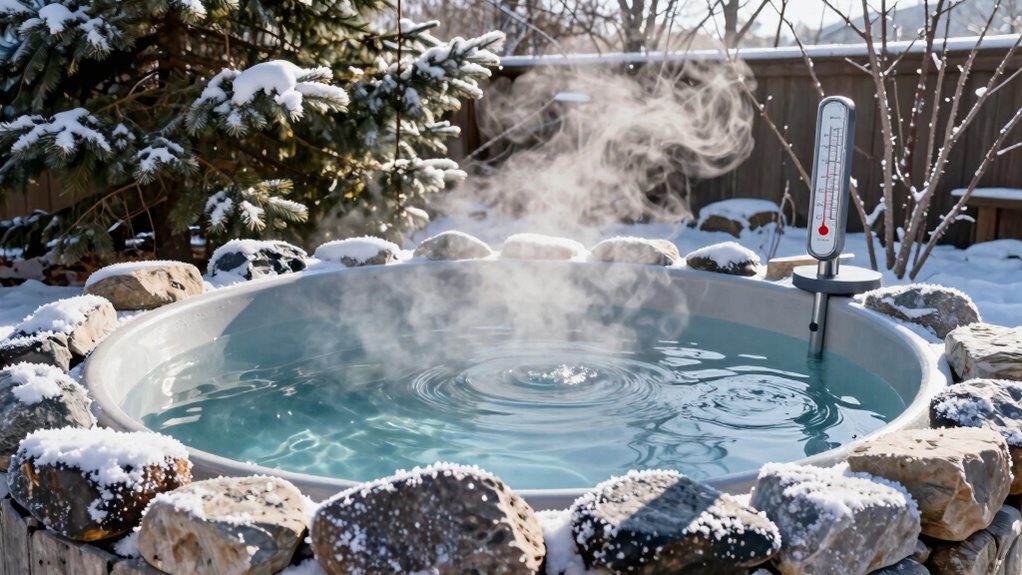
Many people believe cold plunges are a miracle cure, but science shows that some claims are exaggerated. Research clarifies which benefits are supported by evidence and which are myths. Understanding effective recovery strategies helps you get the most out of your cold water practice. Additionally, maintaining proper air quality in your environment can support overall wellness and recovery. Proper water temperature control is also essential to maximize benefits and prevent potential risks during cold plunges. For optimal results, paying attention to temperature ranges can make a significant difference in your experience and safety. Incorporating suitable recovery methods can further enhance your results and overall well-being, especially when considering the importance of infrastructure and reliable equipment for consistent practice.
Common Cold Plunge Misconceptions
Despite popular beliefs, cold plunges aren’t a miracle cure or a guaranteed health boost. Many fall for temperature myths, thinking they’ll instantly transform their health. Myth debunking reveals that benefits depend on consistent practice, not just a single dip. Some believe colder is always better, but extreme cold can be risky instead of helpful. Understanding safe cold exposure is essential for maximizing benefits while minimizing risks. Recognizing the importance of temperature regulation can help ensure safe and effective cold plunge practices. Developing a regular routine can support your body’s adaptation and overall well-being. Additionally, paying attention to individual tolerance ensures you don’t push beyond safe limits and helps tailor your practice to your personal needs. Incorporating smart home technology such as temperature controls and monitoring devices can help maintain optimal and safe conditions during cold plunges.
Scientific Evidence on Benefits
Scientific studies have started to shed light on what cold plunges can truly do for your health. Research suggests that regular cold exposure promotes cold adaptation, helping your body become more efficient at handling temperature fluctuations. This process can enhance your thermal regulation, allowing you to better maintain core temperature during both cold and warm conditions. While some claims about immediate recovery benefits are exaggerated, scientific evidence indicates that cold plunges can modestly reduce inflammation and soreness after intense activity. These effects are linked to your body’s ability to adapt to cold stress and improve circulation. However, it’s important to understand that individual responses vary, and cold exposure alone isn’t a magic solution. Overall, science supports certain physiological benefits, but more research is needed to fully understand long-term impacts.
Effective Recovery Strategies
While cold plunges are often promoted as a quick fix for muscle recovery, science shows that their effectiveness is more nuanced. They can promote muscle relaxation by reducing inflammation and soreness, but this isn’t a guaranteed or immediate result. Incorporating cold therapy into your routine may also boost mental clarity, helping you feel more focused and alert. However, it’s important to combine cold plunges with other recovery strategies like proper hydration, stretching, and rest for ideal results. Relying solely on cold water immersion can lead to misconceptions about recovery speed. Instead, view cold plunges as a complementary tool rather than a miracle cure. Understanding the science helps you set realistic expectations and develop a balanced approach to recovery that supports both your body and mind.
How to Safely Set Up Your Cold Plunge at Home
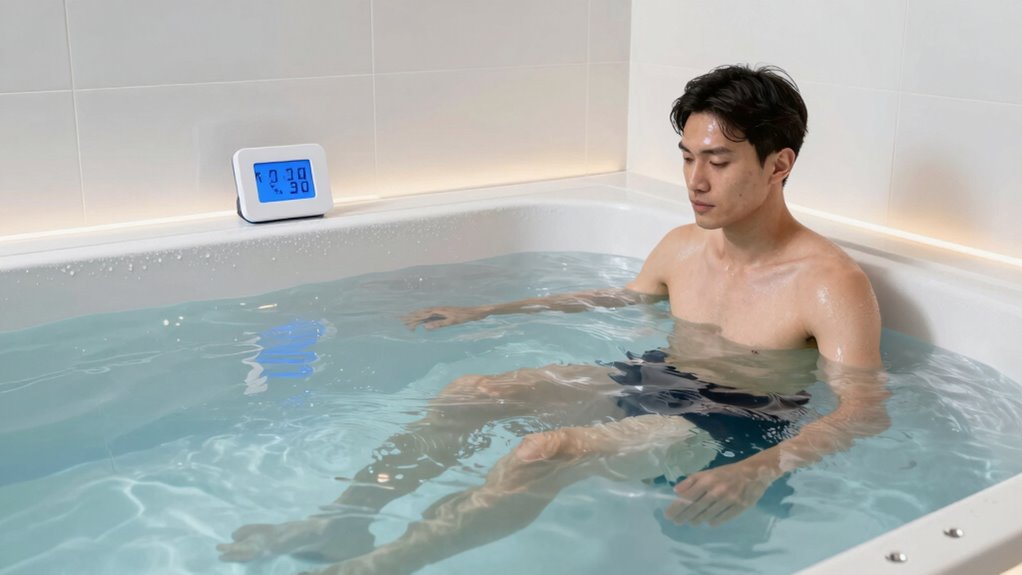
Are you wondering how to set up your cold plunge safely at home? Start by choosing a sturdy, insulated container or tub that can handle low temperatures. Guarantee proper placement on a flat, non-slip surface to prevent accidents. When filling the tub, prioritize temperature regulation by using a reliable thermometer and adjusting the water temperature gradually. Follow safety precautions by avoiding water levels that could overflow or cause slips. Make sure the area is well-ventilated, and keep a thermometer nearby to monitor water temperature consistently. Additionally, have a way to easily exit the plunge area, like a nearby step or handle. Taking these steps helps you create a safe environment, minimizing risks while enjoying your cold plunge.
Monitoring Your Cold Plunge Temperature and Staying Safe
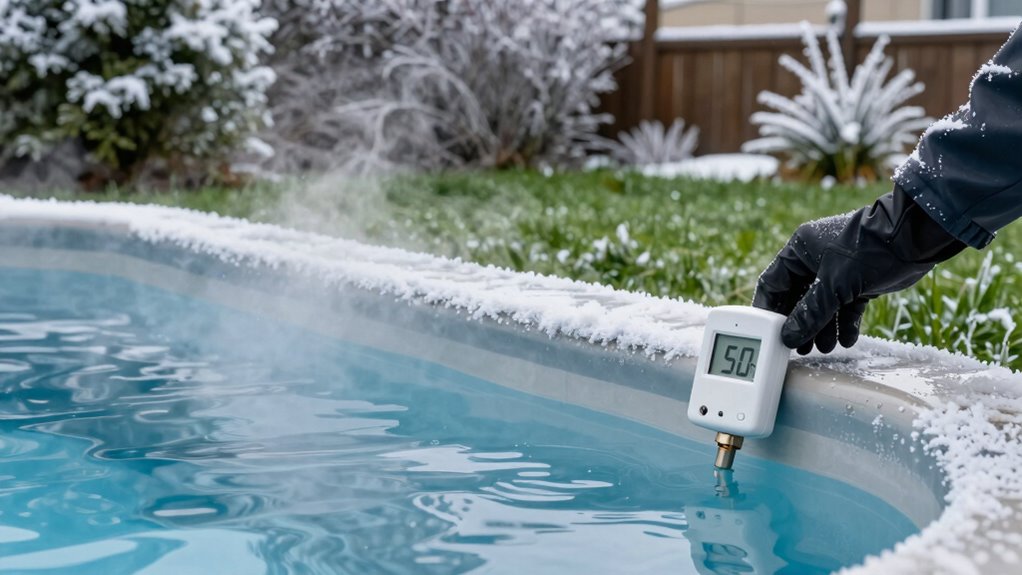
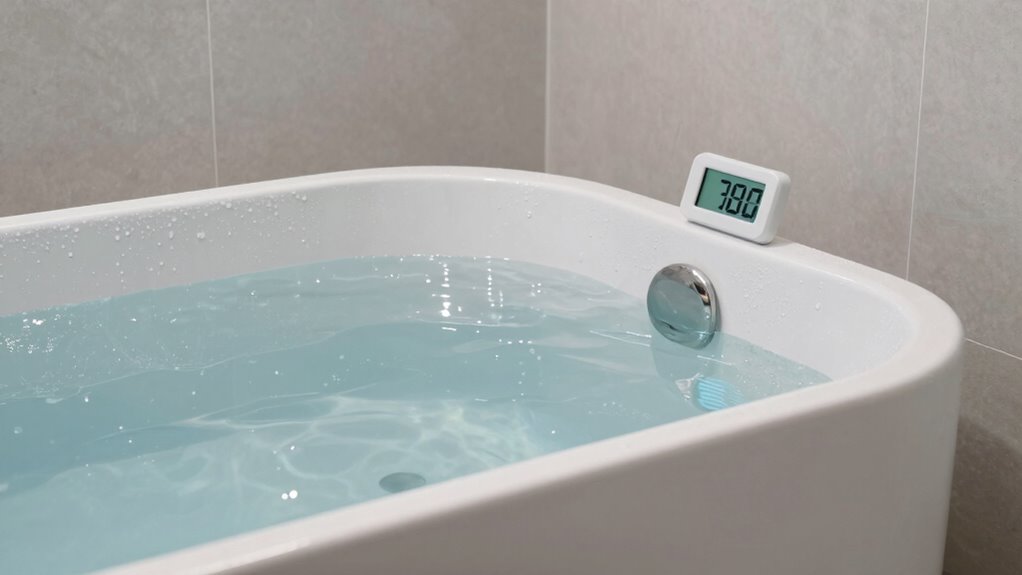
Monitoring your cold plunge temperature is crucial to guarantee a safe and effective experience. Proper temperature regulation helps prevent hypothermia and ensures you get the benefits without risking safety. Use a reliable thermometer to check the water regularly. Keep these safety precautions in mind:
Monitoring water temperature ensures safe, effective cold plunges and prevents hypothermia.
- Maintain water temperature between 50-59°F (10-15°C) for safe immersion.
- Check temperature at least every 5-10 minutes during your session.
- Avoid plunging if the water exceeds your comfort or safety limits.
- Exit immediately if you experience dizziness, numbness, or discomfort.
Staying vigilant with temperature regulation helps you enjoy your cold plunge safely. Remember, consistent monitoring prevents accidents and enhances recovery benefits, making safety your top priority.
When Should You Avoid Cold Plunges or Consult a Healthcare Professional?
Knowing when to skip or seek medical advice before taking a cold plunge can prevent serious health complications. If you have heart health issues, such as high blood pressure or arrhythmias, consult a doctor first, as cold exposure can strain your heart. Those with respiratory conditions or circulation problems should also be cautious. If you’re pregnant or have a weakened immune system, avoid cold plunges unless approved by a healthcare professional. Additionally, if you notice dizziness, chest pain, or significant discomfort during or after a cold plunge, seek medical attention immediately. Cold exposure can impact mental clarity, but if you experience confusion or disorientation, halt immediately. Prioritizing safety ensures you enjoy the benefits without risking your health.
FAQs About Cold Plunges and Recovery Myths
Many people have questions about cold plunges and whether the recovery process is as straightforward as it seems. Common myths suggest cold shock is dangerous or that cold plunges automatically boost recovery. In reality, understanding the facts helps you maximize benefits safely.
Here are some FAQs to clear up misconceptions:
- Cold shock isn’t always harmful; it can improve mental resilience when managed properly.
- Recovery time varies; some experience quick relief, while others need longer rest.
- Cold plunges don’t guarantee faster healing, but they may reduce inflammation when combined with proper recovery.
- Listening to your body is key—if you feel dizzy or overly cold, stop immediately.
Knowing these truths helps you enjoy cold plunges while avoiding unnecessary risks related to recovery myths.
Frequently Asked Questions
Can Cold Plunges Improve Mental Health or Mood?
Cold plunges can boost your mental health benefits by reducing stress and improving mood enhancement. When you immerse yourself in cold water, your body releases endorphins, which help lift your spirits and combat anxiety. Regular cold plunges may also increase resilience to stress, making you feel more balanced and alert. So, if you’re seeking a natural way to enhance your mental well-being, incorporating cold plunges into your routine could be beneficial.
How Long Should I Stay in a Cold Plunge for Optimal Benefits?
Think of your cold plunge as a delicate dance; staying too long can be risky, while too short might not deliver benefits. For ideal duration, aim for 5-10 minutes, but always prioritize safety considerations. Listen to your body—if you start feeling numb or dizzy, it’s time to get out. Gradually build your tolerance, and consult a healthcare professional to tailor the perfect cold plunge time for your needs.
Are There Specific Health Conditions That Contraindicate Cold Plunges?
If you have heart conditions or circulatory issues, cold plunges might not be safe for you. These conditions can worsen with sudden cold exposure, leading to complications like blood pressure spikes or irregular heartbeats. Always consult your healthcare provider before trying cold plunges. They can advise whether it’s suitable for your health status or if you should avoid it altogether to prevent potential risks.
Do Cold Plunges Help With Inflammation or Injury Recovery?
Cold plunges can help reduce inflammation and muscle soreness, making recovery faster after workouts or injury. When you immerse yourself in cold water, it constricts blood vessels, which decreases swelling and eases discomfort. This process also boosts your immune response, helping your body fight off inflammation more effectively. Regular cold plunges may support quicker recovery, so you can get back to activity sooner with less pain and inflammation.
What Are the Long-Term Effects of Regular Cold Water Immersion?
Like a river carving its path, regular cold water immersion shapes your body over time. You may experience long-term adaptations, such as improved circulation and resilience to stress. Cellular benefits include enhanced detoxification and reduced inflammation, which can support overall health. Keep in mind, consistency is key, and listening to your body helps prevent overuse. Long-term cold plunging can foster a stronger, more adaptable you.
Conclusion
Did you know that over 50% of athletes use cold plunges to speed up recovery? While they can be beneficial, it’s essential to stick to safe temperature ranges and listen to your body. Remember, not everyone should jump into cold water—consult a healthcare professional if you have health concerns. When done correctly, cold plunges can be a powerful recovery tool, but always prioritize safety and proper setup to get the most out of your cold water therapy.