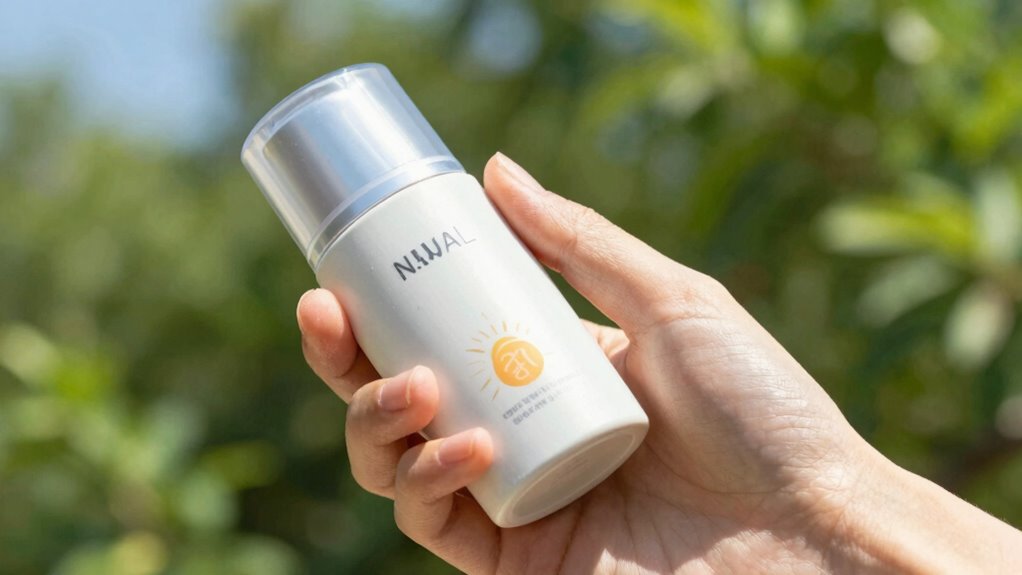

To stay protected, reapply your sunscreen every two hours when you’re outdoors, especially after sweating or swimming. Cloudy days don’t mean you’re safe—UV rays still reach your skin. If you’re active or in water, reapply sooner to guarantee continuous coverage. Remember to cover all exposed areas and use a broad-spectrum SPF 30 or higher. Keep these tips in mind, and you’ll learn more ways to protect your skin effectively.

Get your wardrobe favorites delivered free with Prime
- Fast, free delivery on millions of items
- Prime Video, Amazon Music and more included
- Member-only deals all year
Key Takeaways
- Reapply sunscreen every two hours when outdoors, more frequently after sweating or swimming.
- Immediately reapply after water exposure or heavy physical activity to maintain protection.
- Use broad-spectrum SPF 30+ sunscreen on all exposed skin, including ears, neck, and hands.
- Remember that sunscreen wears off over time, regardless of initial application; reapply regularly.
- Combine reapplication with protective clothing, shade, and avoiding peak sun hours for optimal protection.
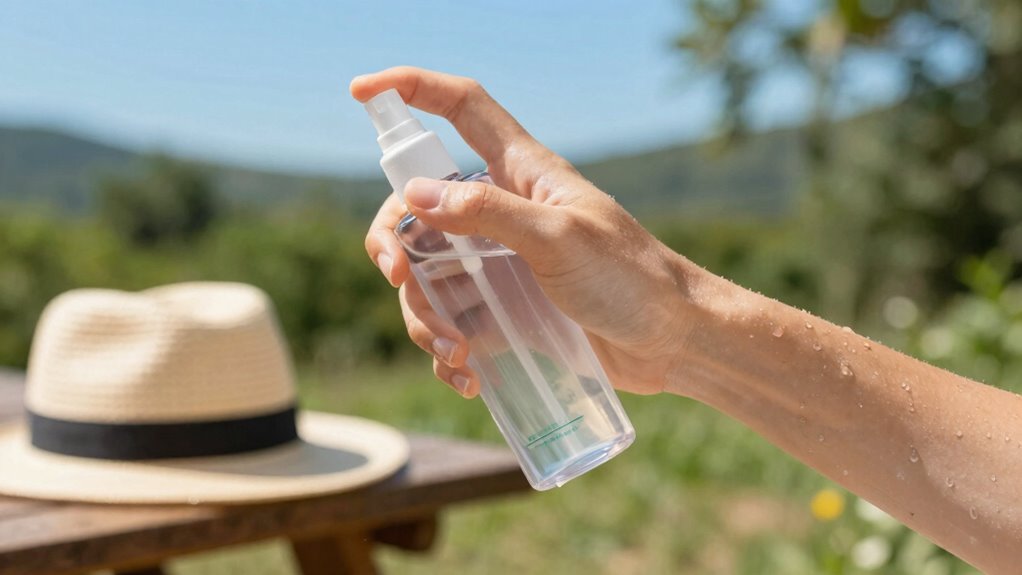
When spending time outdoors, reapplying sunscreen is essential to maintain protection from harmful UV rays. Many people believe that a single application in the morning suffices, but that’s a common sun protection myth. In reality, UV exposure risks are ongoing, especially during extended periods outside. Sunscreen can wear off due to sweating, swimming, towel-drying, or simply the passage of time. To ensure you’re adequately protected, you need a practical reapplication schedule that matches your outdoor activity level.
Reapply sunscreen regularly to stay protected from UV rays during extended outdoor activities.
You might think that if you applied sunscreen before heading out, you’re covered for the entire day. However, UV rays can penetrate clouds, reflect off surfaces like water or sand, and cause damage even on cloudy days. That’s why reapplication is crucial, particularly every two hours or immediately after sweating heavily or swimming. Many overlook this, believing sunscreen is a one-and-done product, but that’s a dangerous misconception. UV exposure risks increase without regular reapplication, leaving your skin vulnerable to sunburn, premature aging, and even skin cancer.
A good rule of thumb is to reapply sunscreen at least every two hours when you’re outdoors. If you’re swimming or sweating profusely, do it more frequently—immediately after water exposure or intense activity. Use a broad-spectrum sunscreen with at least SPF 30, and don’t forget to cover all exposed areas: ears, neck, hands, and even your lips with a lip balm containing SPF. Remember, sunscreen isn’t waterproof, just water-resistant; it can still wear off with time or physical activity, so don’t rely solely on your initial application.
It’s also wise to be aware of sun protection myths that can undermine your efforts. For instance, some believe that darker skin doesn’t need sunscreen, but UV rays can harm all skin types. Others think that staying indoors or wearing protective clothing alone protects you fully, but sun exposure can still reach you through windows or gaps in clothing. The best approach combines sunscreen reapplication with protective clothing, shade, and avoiding peak sunlight hours. Additionally, understanding the wear-off mechanisms of sunscreen helps you better time your reapplications and maximize protection. Recognizing that physical activity accelerates sunscreen wear-off can help you plan reapplications more effectively. Moreover, knowing how different textures and formulations of sunscreen wear off can help you choose products that last longer during your outdoor activities.
In the real world, your skin’s safety depends on consistent, informed practices. Reapplying sunscreen isn’t just a habit; it’s a necessity that aligns with understanding UV exposure risks. By sticking to a schedule of reapplication every two hours, especially during prolonged outdoor activities, you significantly reduce your risk of sun damage. Remember, protecting your skin is an ongoing process, and staying vigilant helps you enjoy the outdoors safely without falling for common myths.
Popular right now

KitchenAid Artisan 5-Quart Tilt-Head Stand Mixer, KSM150PS, Almond Cream

LG 85-inch QNED75B Mini LED Smart TV Bundle with HDMI and CPS Protection Plan

Ninja Foodi 10-Qt DualZone Smart XL Air Fryer, 6-in-1, DZ550
As an affiliate, we earn on qualifying purchases.
Frequently Asked Questions
How Often Should I Reapply Sunscreen Indoors?
You should reapply sunscreen indoors every two hours, especially if you’re exposed to windows or artificial UV sources. Indoor protection isn’t foolproof; UV penetration can still occur through windows, increasing your risk of skin damage. Keep a broad-spectrum sunscreen nearby, and reapply regularly to maintain protection. Even indoors, consistent reapplication helps prevent long-term skin damage caused by UV rays, ensuring your skin stays protected throughout the day.
Does Sunscreen Lose Effectiveness When Sweating or Swimming?
Sunscreen can be like a shield that wears down when you sweat or swim, losing some of its effectiveness. Sweat-resistant and water-resistant formulas help, but they aren’t invincible. When you’re active outdoors, reapply every two hours or after swimming or heavy sweating. Think of it as topping off your armor—your skin stays protected, even when the elements try to break through.
What Types of Sunscreen Are Best for Sensitive Skin?
For sensitive skin, you should choose sunscreens with gentle formulations that minimize irritation. Look for mineral-based options containing zinc oxide or titanium dioxide, which are often better tolerated. Avoid products with fragrances, alcohol, or harsh chemicals. These gentle formulations provide effective sun protection without causing redness or irritation, making them ideal for sensitive skin. Always patch-test new sunscreens to guarantee they suit your skin type.
Can I Rely Solely on Makeup With SPF Instead of Reapplying?
You shouldn’t rely solely on makeup with SPF for protection, as makeup’s SPF durability and longevity often diminish throughout the day. While it can provide some defense, reapplying a dedicated sunscreen every two hours is essential for full protection, especially if you’re outdoors. Makeup might help, but it’s not enough on its own to prevent UV damage, so regular reapplication remains vital.
How Does Altitude Affect Sunscreen Reapplication Frequency?
Imagine you’re hiking at high altitude, where the thin air feels sharper and the sun’s rays bounce more intensely. Altitude effects mean you should reapply sunscreen more frequently because UV exposure increases. The thinner atmosphere offers less protection, so you’ll need to boost your sunscreen frequency, ideally every two hours, even if you’re indoors or in shaded areas. Staying mindful of altitude effects keeps your skin safe and protected.
Conclusion
Remember, reapplying sunscreen isn’t just a small step—it’s your ultimate armor against the relentless sun. Stick to a regular schedule, especially every two hours, to keep your skin protected like an impenetrable fortress. Don’t let neglect turn your sunny day into a sunburn disaster. With consistent reapplication, you’ll outsmart UV rays and enjoy the outdoors risk-free. Protecting your skin is the most powerful shield you can wear—so stay vigilant and reapply with confidence!