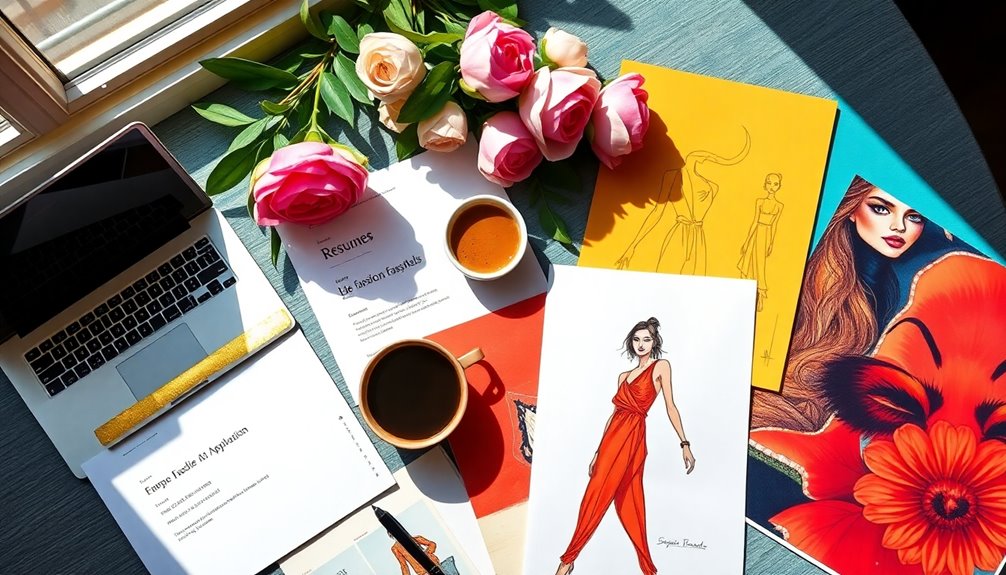
To build a fashion portfolio that gets replies, focus on showcasing your understanding of current trends and industry shifts. Highlight your commitment to sustainability by using eco-friendly materials and explaining your sourcing methods. Select only your best, versatile pieces that tell clear stories, presenting them with high-quality images and professional layout. Tailor your portfolio to match the aesthetic and values of your target brands. Stay perceptive of evolving fashion priorities—there’s much more to discover in refining your approach.
Key Takeaways
- Curate high-quality, diverse designs that clearly convey your concept and technical skills.
- Tailor your portfolio to reflect the aesthetic, values, and sustainability focus of target brands.
- Incorporate current trends and industry shifts to demonstrate forward-thinking and adaptability.
- Highlight your commitment to sustainability with eco-friendly materials and responsible sourcing.
- Present your work professionally with organized, visually compelling images that reinforce your narrative.
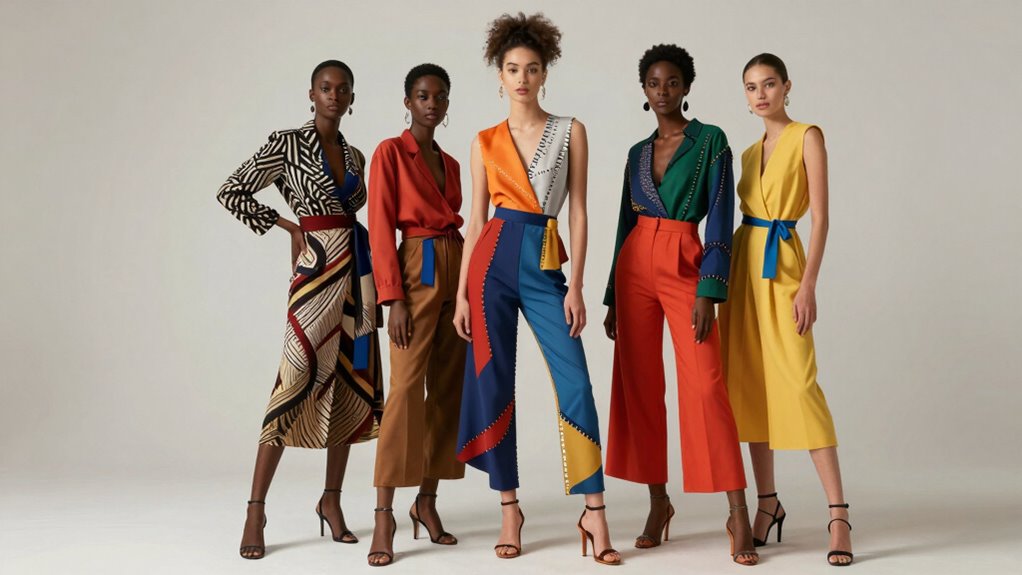
Are you ready to showcase your unique style and skills? Building a fashion portfolio that gets replies isn’t just about throwing together pretty pictures; it’s about demonstrating your understanding of the industry and your ability to stand out. Start by doing a thorough fashion trend analysis. This isn’t about following every fleeting trend but about understanding the bigger picture—what’s resonating now and what’s likely to influence the future. When you include your designs, show how they respond to current shifts in style, culture, or technology. This illustrates potential clients or employers that you’re not just creative but also perceptive and forward-thinking.
Showcase your industry awareness by analyzing trends and responding to current shifts in style, culture, or technology.
Next, pay close attention to sustainable material sourcing. More than ever, the industry values designers who make environmentally conscious choices. Incorporate pieces in your portfolio that highlight your commitment to sustainability. Use eco-friendly fabrics, recycled materials, or innovative textiles that reduce environmental impact. These choices aren’t just ethical; they’re also trendy and increasingly demanded by brands and consumers alike. When presenting your work, explain your sourcing process briefly, emphasizing your dedication to sustainable practices. This demonstrates awareness of industry challenges and positions you as a responsible designer. Additionally, showcasing your knowledge of industry trends can further prove your market awareness and adaptability. Staying informed about biodiversity and conservation initiatives can also elevate your profile by aligning your work with global sustainability efforts.
As you curate your portfolio, focus on quality over quantity. Select your strongest works that best showcase your skills, creativity, and understanding of the market. Include a variety of pieces to demonstrate versatility—maybe some conceptual designs, some ready-to-wear, or even experimental projects. Make sure each piece communicates a clear story or concept. Use high-quality images, proper lighting, and professional presentation to make your work stand out. Remember, your portfolio acts as a visual resume, so clarity and precision are key.
Finally, tailor your portfolio to your target audience. If you’re aiming for a particular brand or niche, research their aesthetic, values, and sustainability initiatives. Reflect those elements in your work to make your submission relevant and compelling. A well-organized, thoughtfully crafted portfolio that incorporates current fashion trend analysis and sustainable sourcing shows that you’re not only talented but also aware of the industry’s evolving priorities. When your work aligns with what brands and employers look for, you notably increase your chances of getting noticed and receiving replies.
eco-friendly fashion fabric
As an affiliate, we earn on qualifying purchases.
As an affiliate, we earn on qualifying purchases.
Frequently Asked Questions
How Many Photos Should I Include in My Fashion Portfolio?
You should include about 10 to 15 carefully selected photos in your fashion portfolio. Focus on showcasing diverse model selection and photography styles to demonstrate your versatility. Prioritize high-quality images that highlight your skills and unique vision. Avoid overcrowding; instead, curate a cohesive collection that tells a compelling story. This balance guarantees recruiters see your range while appreciating your attention to detail, increasing your chances of getting replies.
What Is the Ideal Portfolio Format for Online Submissions?
For online submissions, a sleek, digital-friendly format works best. Keep your images high-resolution and organized, highlighting your skills in color coordination and model selection. Use a clean, simple layout that allows your work to shine without distractions. Include a brief, engaging introduction and guarantee all visuals are cohesive. This approach makes it easy for reviewers to appreciate your talent and understand your creative vision quickly.
How Often Should I Update My Fashion Portfolio?
You should update your fashion portfolio regularly, ideally every few months, to maintain visual consistency and showcase your latest work. Frequent updates keep your portfolio fresh and relevant, highlighting your growth and new skills. Focus on maintaining a consistent portfolio presentation style, ensuring your new pieces blend seamlessly with previous work. This ongoing process demonstrates your evolving talent and keeps potential clients or employers engaged and impressed.
Should I Include Personal Projects or Only Professional Work?
You should include both personal projects and professional work to showcase your personal branding and creative experimentation. Personal projects reveal your unique style and passion, while professional work proves your skills and industry experience. Combining these elements creates a well-rounded portfolio that highlights your versatility. This balance helps potential clients or employers see your creativity and technical ability, making your portfolio more engaging and memorable.
How Do I Tailor My Portfolio for Different Fashion Niches?
Think of your portfolio like a tailored suit—each stitch, fabric, and cut customized for the occasion. To target different fashion niches, emphasize niche branding and style consistency. For example, if you’re aiming for streetwear, showcase bold, edgy pieces, while a high-fashion niche demands sleek, avant-garde designs. Adjust your images and projects to reflect each niche’s vibe, demonstrating you’re versatile yet aligned with the specific aesthetic.
professional fashion portfolio display
As an affiliate, we earn on qualifying purchases.
As an affiliate, we earn on qualifying purchases.
Conclusion
So, there you have it—crafting a fashion portfolio that actually gets responses is as easy as convincing your cat to wear a tiny tuxedo. Just show off your best work, stay true to your style, and don’t be afraid to stand out. Remember, in the world of fashion, if you blend in, you’re basically invisible. So, go ahead—dare to be bold. Who knows? Maybe your portfolio will be the one that finally gets a reply.
sustainable textiles for designers
As an affiliate, we earn on qualifying purchases.
As an affiliate, we earn on qualifying purchases.
high-quality fashion photography equipment
As an affiliate, we earn on qualifying purchases.
As an affiliate, we earn on qualifying purchases.