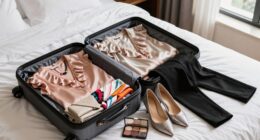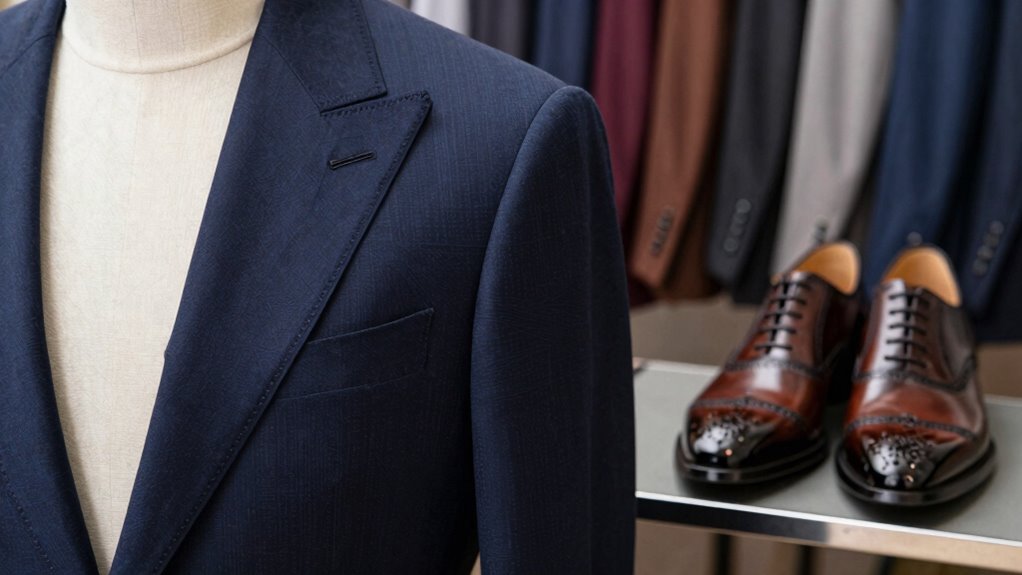

To make a strong impression during interviews, you should understand key fashion terms like “ensemble,” which refers to your complete outfit, and “power dressing,” involving structured blazers and neutral colors for authority. Know the difference between “business casual” and “business formal,” so you dress appropriately. Using precise language like “tailored navy blazer” shows professionalism and confidence. Mastering these terms helps you communicate your style choices clearly—keep going to discover even more essential fashion jargon.
Key Takeaways
- Learn industry-specific dress code terminology like “business casual,” “power dressing,” and “smart casual” to ensure appropriate attire.
- Use precise fashion language such as “ensemble,” “accessories,” and “tailored” to demonstrate professionalism.
- Recognize the differences between dress codes to avoid underdressing or overdressing for interviews.
- Understand the components of a “suit” and “ensemble” to articulate your outfit choices confidently.
- Familiarize yourself with industry standards to project authority and make a positive first impression.
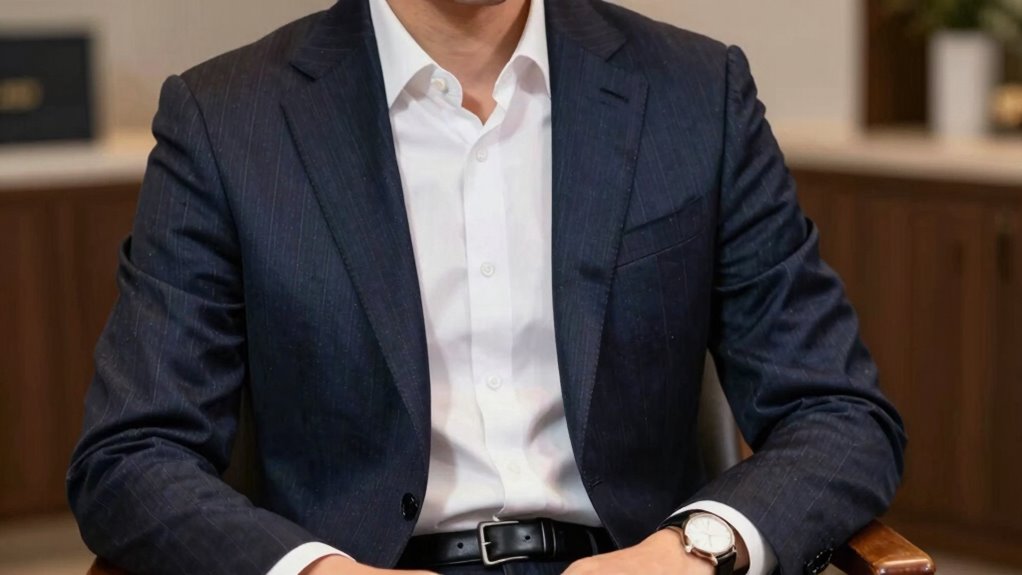
Ever wondered how to dress to impress for a job interview? It all starts with understanding the essential fashion terms that help you navigate the world of interview attire. When you’re preparing, knowing the right fashion jargon can make all the difference in guaranteeing your outfit aligns with the dress code expectations of the company. Dress code expectations vary widely depending on the industry, but being familiar with key fashion terminology helps you select clothing that projects professionalism and confidence.
For instance, “business casual” is a common dress code expectation that many workplaces adopt. It typically means a neat, polished look without being overly formal. Think tailored slacks or chinos paired with a button-down shirt or blouse. Avoid overly casual items like t-shirts or sneakers unless explicitly allowed. On the other hand, “business formal” requires a more traditional approach—think suits, dress shirts, and conservative accessories. Knowing what constitutes a “suit” or “power dressing” can help you make the right impression. Power dressing often involves structured blazers, neutral colors, and classic footwear, projecting authority and competence.
Understanding the difference between “smart casual” and “business casual” is vital. Smart casual might include tailored jeans, a crisp shirt, and loafers—clothing that’s stylish yet appropriate. Meanwhile, “casual” attire, such as graphic tees or athletic wear, generally isn’t suitable for interviews unless the company culture is very relaxed. Recognizing the nuances in dress code expectations ensures you don’t underdress or overdress, both of which can send the wrong message. Familiarity with dress code expectations and how they relate to industry standards ensures your wardrobe choices convey the right message and help you make a positive impression.
Smart casual includes tailored jeans and loafers; casual attire like graphic tees is usually inappropriate for interviews.
Familiarity with fashion jargon also helps you communicate confidently about your outfit. Terms like “ensemble,” referring to your complete look, or “accessories,” which include jewelry, ties, or watches, are useful when discussing your interview attire. Knowing how to describe your clothing using precise language demonstrates professionalism and attention to detail. For example, instead of saying, “I wore a suit,” you might say, “I chose a tailored navy blazer and matching trousers to project a professional image aligned with the company’s dress code expectations.” Additionally, understanding industry-specific dress codes can further refine your wardrobe choices to suit the environment you’re entering.
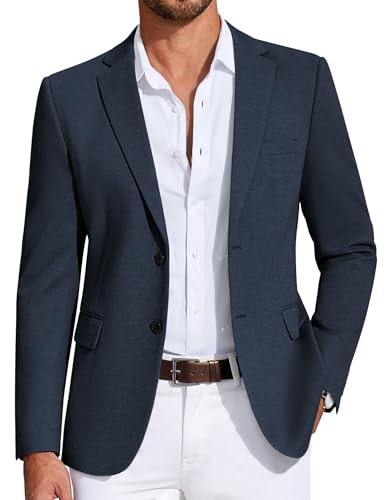
COOFANDY Men’s Sport Jacket Regular Fit Travel Blazer Wrinkle Free Stretch Suit Coat Navy Blue, XL
- Stretch Fabric: Soft, breathable, durable knit fabric
- Modern Design: Notched lapel, multiple pockets, two-button style
- Easy to Match: Pairs with casual or formal outfits
As an affiliate, we earn on qualifying purchases.
As an affiliate, we earn on qualifying purchases.
Frequently Asked Questions
How Can Understanding Fashion Terms Improve Interview Confidence?
Understanding fashion terms boosts your interview confidence by helping you choose the right attire that aligns with dressing etiquette and creates a professional appearance. When you know what clothing styles and fabrics convey, you can present yourself more polished and self-assured. This knowledge allows you to make intentional wardrobe choices, reducing anxiety about your look. As a result, you feel more prepared to make a strong impression and communicate your professionalism effectively.
Are There Specific Fashion Terms Relevant to Different Industries?
Think of industry-specific fashion terms as your secret language—each word a symbol for your understanding. In the fashion industry, you’ll encounter jargon like “fast fashion” or “sustainable sourcing,” while retail terminology includes “merchandising” or “inventory turnover.” Mastering these terms shows you’re tuned in to the industry’s pulse, helping you communicate confidently and demonstrate your expertise, whether you’re in design, retail, or marketing.
How Should I Incorporate Fashion Terminology Into My Interview Responses?
You should seamlessly incorporate fashion jargon and style vocabulary into your interview responses by naturally referencing relevant terms when discussing your experience or skills. For example, mention how you’ve used your knowledge of fabric types or seasonal trends to enhance a collection. This exemplifies your expertise and passion. Just ensure your language fits the conversation, making your responses more engaging, professional, and tailored to the fashion industry.
What Common Fashion Terms Should I Avoid During Interviews?
Imagine strutting into an interview wearing industry-specific attire, only to spew fashion jargon that sounds like a foreign language. You should avoid overly technical terms or slang that’s exclusive to insiders, as it can alienate your interviewer. Stick to clear, professional language. Using terms like “fast fashion” or “sustainable fabrics” is fine, but avoid jargon that sounds like you’re trying to impress rather than communicate. Keep it simple and genuine.
Can Knowing Fashion Terms Influence the Interviewer’s Perception?
Knowing fashion jargon and wardrobe vocabulary can positively influence the interviewer’s perception, as it shows your familiarity with industry language and professionalism. When you confidently use these terms, you demonstrate expertise and a genuine interest in fashion. This can help you stand out, making your communication clearer and more credible. However, be sure to use fashion terminology appropriately, ensuring it enhances your message rather than appearing pretentious or out of place.
Conclusion
Mastering these technical fashion terms isn’t just about sounding knowledgeable; it shows your genuine passion and understanding of the industry. When you speak confidently about fabrics, styles, and design elements, you demonstrate your commitment and professionalism. So, are you ready to impress your future employer with your fashion vocabulary? Remember, knowing the language of fashion can truly set you apart and open doors to exciting opportunities. Your journey to a stylish career starts now—are you prepared?