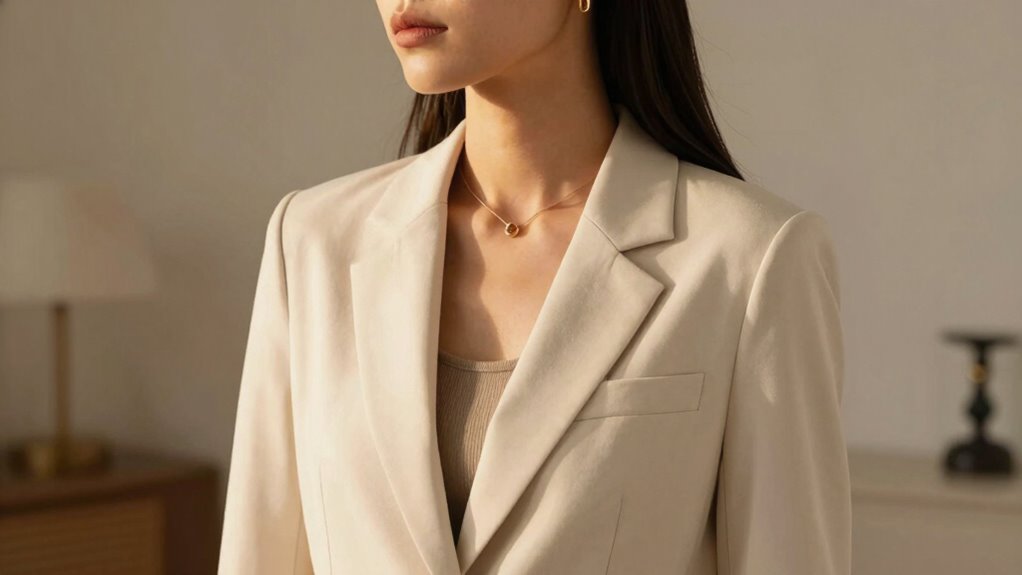

What you wear directly influences your mindset because clothing acts as a psychological trigger. Your outfits can boost confidence, shape perceptions, and alter your mood through the power of fashion psychology. For instance, wearing formal attire might make you feel more powerful, while casual clothes can help you relax. Colors and styles also play a role in how you think and behave. Keep exploring to uncover how wardrobe choices can boost your mental state and success.

Get your wardrobe favorites delivered free with Prime
- Fast, free delivery on millions of items
- Prime Video, Amazon Music and more included
- Member-only deals all year
Key Takeaways
- Clothing activates mental states and reinforces identity, influencing thoughts, feelings, and behaviors through fashion psychology.
- Wearing certain outfits, like formal attire, enhances confidence and perceptions of capability.
- Colors and styles can boost mood, self-esteem, and mental clarity, shaping overall mindset.
- Dressing intentionally aligns clothing with goals, encouraging positive attitudes and resilience.
- Clothing serves as a non-verbal cue that subconsciously influences how others perceive and how you perceive yourself.
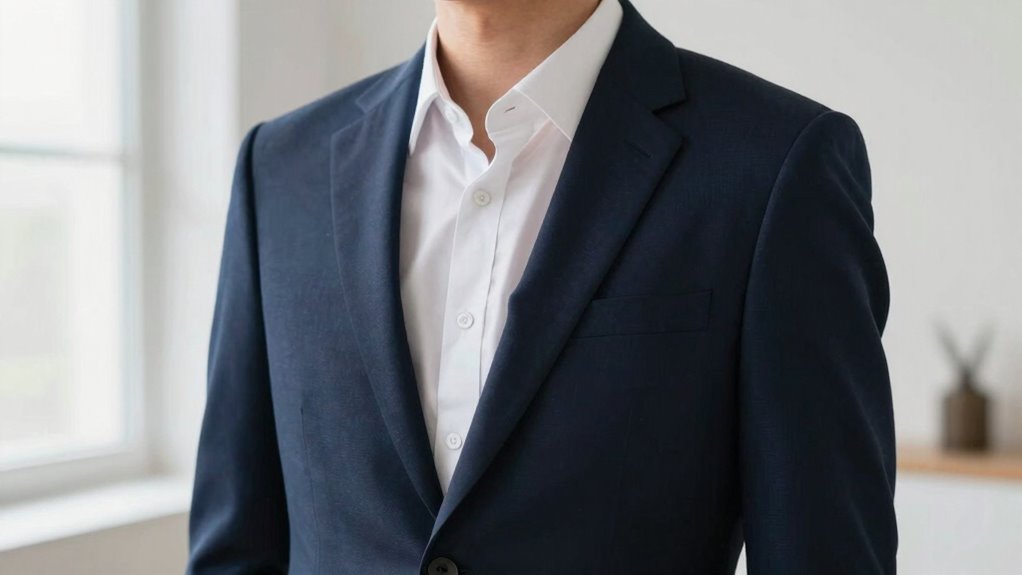
Have you ever noticed how slipping into a professional outfit can instantly boost your confidence? That’s no coincidence. This phenomenon is rooted in something called fashion psychology, which explores how clothing influences your thoughts, feelings, and behaviors. When you choose what to wear, you’re not just selecting a look—you’re actively shaping your mindset. Clothing influences your self-perception, and that perception impacts how you perform in various situations. The way you dress can act as a psychological trigger, setting the tone for your day and even affecting how others perceive you.
Dressing professionally can instantly boost confidence by shaping your mindset and influencing how others perceive you.
The connection between clothing and mindset is powerful. When you wear formal or authoritative attire, you often feel more capable and confident because your brain associates that style with professionalism and competence. Conversely, casual or baggy clothes might make you feel relaxed but less focused. This isn’t just about vanity; it’s about the deep-seated psychological effects of what you wear. The clothing influence extends beyond appearance—your outfit can activate certain mental states, reinforce your identity, and even alter your behavior. For example, donning a suit can make you feel more powerful and assertive, while athletic wear might energize you for physical activity or boost motivation. Recognizing the impact of clothing on mental states can help you make more deliberate wardrobe choices.
Understanding fashion psychology can help you leverage your wardrobe intentionally. If you need to ace an interview, dress in a way that aligns with the image you want to project. When you wear clothes that reflect confidence and professionalism, your mind begins to adopt these qualities. This isn’t just about looking the part; it’s about embodying the traits associated with your chosen style. Your clothing acts as a non-verbal cue that influences your subconscious mind, shaping your thoughts and actions. That’s why some people swear by “dressing for success”—it’s not just a cliché, it’s a psychological strategy rooted in clothing influence. Recognizing how clothing can serve as a psychological trigger empowers you to take control of your mental state through wardrobe choices. Additionally, understanding the psychological effects of color can help you select outfits that enhance your mood and mental clarity.
Research also shows that clothing choices can reinforce your identity and help you develop a stronger sense of self-esteem. Moreover, your choice of clothing can improve your mood and mental state. Wearing colors that make you feel good, or outfits that boost your self-esteem, can lead to a more positive outlook. When you’re dressed in a way that aligns with your goals, you’re more likely to approach tasks with enthusiasm and resilience. Ultimately, what you wear isn’t just about fashion; it’s a tool for psychological empowerment. Recognizing the power of clothing influence gives you the opportunity to harness your wardrobe to boost confidence, enhance performance, and shape the way you think and feel every day.
Popular right now
Vitamix 5200 Professional-Grade Blender, 64 oz. Container, Black

KitchenAid Artisan Series 5-Quart Tilt-Head Stand Mixer, Dried Rose (KSM150PS)

Roborock RockNeo Q110H Wire-Free Robot Lawn Mower
As an affiliate, we earn on qualifying purchases.
Frequently Asked Questions
Does Clothing Choice Affect Confidence Levels?
Yes, your clothing choice affects your confidence levels. Color psychology plays a role—bright colors can boost your mood, while dark hues might evoke seriousness. When you wear outfits that reflect your personal identity, you feel more authentic and empowered. This alignment enhances self-assurance, making you more confident in social and professional settings. Dressing intentionally helps reinforce a positive self-image and influences how others perceive and respond to you.
Can Dressing Professionally Improve Performance?
Dressing professionally can definitely boost your performance. You might notice that color psychology and clothing symbolism play a role—wearing a sharp suit or empowering colors like blue and black can enhance your confidence and focus. Coincidentally, when you choose attire aligned with your goals, you often feel more capable and motivated, making you more effective in meetings or tasks. Your wardrobe becomes a tool for success, influencing how you perform.
How Quickly Can Clothing Influence Mood?
You can notice a mood shift almost instantly after changing your clothes. Color psychology plays a big role—bright colors boost energy, while darker shades promote calm. Fabric comfort also impacts your feelings; soft, breathable fabrics make you feel relaxed and confident. When you dress intentionally, these elements combine quickly to influence your mood, helping you feel more positive, focused, or even motivated throughout your day.
Do Cultural Differences Impact Clothing’s Psychological Effects?
Yes, cultural differences profoundly impact clothing’s psychological effects. You may find that cultural symbolism influences how you perceive certain outfits, shaping your mood and confidence. Fashion stereotypes also vary across cultures, affecting how others see you and how you view yourself. When you wear clothing aligned with your cultural identity, it can boost your self-esteem and mood, while conflicting symbols might cause discomfort or hesitation.
Is There a Scientific Basis for “Power Dressing”?
Yes, there’s a scientific basis for “power dressing.” Clothing symbolism and fashion psychology show that the clothes you wear can influence your confidence and authority. When you dress in a way that symbolizes power, like a suit or authoritative colors, your brain interprets this as a sign of competence. This can boost your self-esteem and affect how others perceive you, reinforcing a sense of power and control.
Conclusion
So, the next time you choose your outfit, remember it’s more than just style—it’s about mindset. Your clothing influences your confidence, shapes your perception, and even changes your behavior. When you dress intentionally, you set the tone for how you think, feel, and act. Wear what empowers you, and watch how your attitude transforms. Because what you wear isn’t just about appearance; it’s about how you think, how you feel, and how you live.