TL;DR

Get your wardrobe favorites delivered free with Prime
- Fast, free delivery on millions of items
- Prime Video, Amazon Music and more included
- Member-only deals all year
Saudi fashion is experiencing a rapid ascent globally, driven by government initiatives, cultural liberalization, and digital media. Designers like Mohammed Ashi and Shahd AlShehail are gaining prominence, marking a new chapter for the region’s fashion industry.
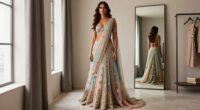
Saudi fashion has entered the global spotlight with increasing visibility at major fashion weeks and high-profile events, driven by a combination of cultural shifts, government support, and digital media. This marks a significant moment for the region’s creative industry, with designers gaining international recognition and commercial interest.
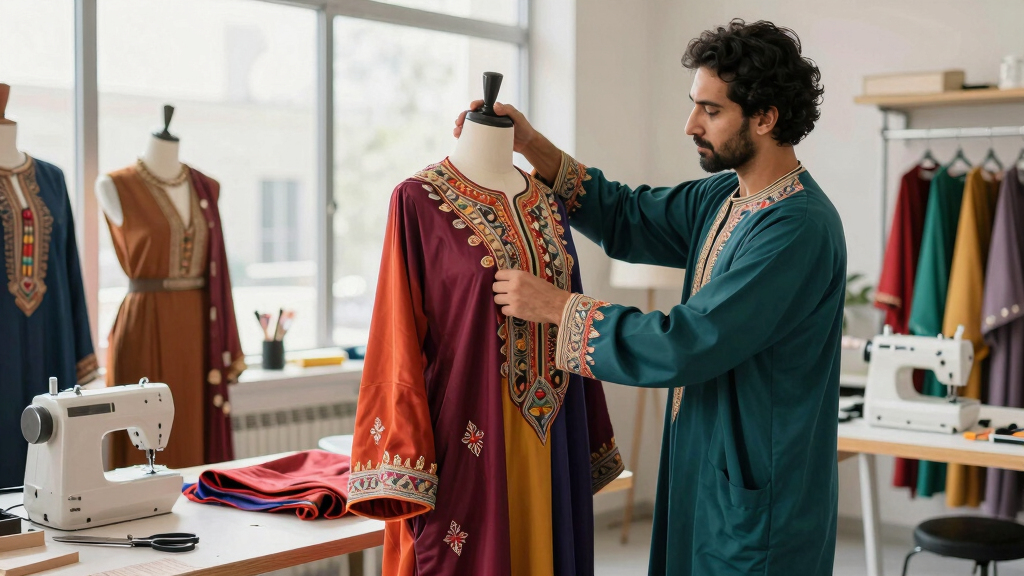
In 2023, Mohammed Ashi became the first Saudi designer invited to show at Paris Haute Couture Week, a milestone that underscores the growing influence of Saudi fashion on the world stage. His designs, showcased repeatedly at the 2026 Met Gala, exemplify the region’s emerging couture talent. Additionally, regional designers like Shahd AlShehail emphasize the integration of traditional craftsmanship with contemporary aesthetics, resonating with global audiences seeking authenticity and storytelling.
Saudi government initiatives such as the Saudi Fashion Commission, Fashion Futures, and the Saudi 100 Brands program have provided crucial support, fostering talent and facilitating participation in international fashion weeks. Riyadh Fashion Week has also positioned the Kingdom as a new hub for global fashion, attracting buyers and media attention. Cultural liberalization has played a key role, allowing designers more creative freedom to experiment with silhouettes, textiles, and heritage-inspired motifs. Social media platforms further amplify this visibility, turning runway moments into global content and expanding reach beyond traditional fashion channels.
Why It Matters
This development signifies a major shift in the global fashion landscape, positioning Saudi Arabia as a rising power in couture and luxury fashion. It offers new narratives rooted in heritage, craftsmanship, and cultural confidence, diversifying the global fashion industry. For consumers and brands, it introduces fresh aesthetics and storytelling that challenge conventional Western-centric perspectives. Economically, this growth opens new markets and opportunities for international buyers and retailers, reinforcing Saudi Arabia’s role as a key player in luxury fashion’s future.
Saudi-inspired couture fashion accessories
As an affiliate, we earn on qualifying purchases.
As an affiliate, we earn on qualifying purchases.
Background
Over the past few years, Saudi fashion has transitioned from regional niche to international stage, with milestones like Mohammed Ashi’s debut at Paris Haute Couture Week in 2023 and the visibility at the 2026 Met Gala. Government-backed initiatives and cultural liberalization have created an environment conducive to creative experimentation and global engagement. The rise of social media has accelerated exposure, enabling Saudi designers to build global followings without relying solely on traditional retail channels. This momentum continues amid a broader push for cultural and economic diversification within the Kingdom.
“Designers are telling stories from a place that feels deeply personal and authentic, rather than trying to fit into an existing framework. That honesty and perspective are resonating with global audiences.”
— Shahd AlShehail
“Being invited to Paris Haute Couture was a historic moment for us, and it shows how Saudi talent is now recognized on the world stage.”
— Mohammed Ashi
What Remains Unclear
It is still unclear how sustained this momentum will be and whether more Saudi designers will achieve similar levels of international prominence. The long-term impact of cultural liberalization and government initiatives remains to be seen, as does the ability of regional brands to maintain visibility amid global competition.
What’s Next
Next steps include further participation of Saudi designers in upcoming international fashion weeks, increased collaborations with global brands, and continued digital campaigns to expand reach. Monitoring the growth of Saudi fashion brands and their integration into the global luxury market will be key indicators of ongoing success.
Key Questions
What are the key factors driving Saudi fashion’s international rise?
Government initiatives, cultural liberalization, and digital media exposure are the main drivers, enabling designers to showcase their work globally and build international audiences.
Who are some leading Saudi designers gaining recognition?
Mohammed Ashi, Shahd AlShehail, and Mona Alshebil are among the prominent names making waves at major fashion events and on social media.
What makes Saudi fashion unique on the global stage?
Its blend of heritage craftsmanship, modern silhouettes, desert-inspired palettes, and storytelling rooted in cultural identity distinguishes it from other fashion markets.
Platforms like Instagram and TikTok amplify runway moments and behind-the-scenes content, making Saudi brands accessible to international audiences and fostering direct engagement.
Halloween Picks
halloween
As an affiliate, we earn on qualifying purchases.