TL;DR
Japanese consumers are significantly increasing their jewelry purchases, leading to a record-breaking rise in sales. This trend reflects changing consumer behavior and economic factors in Japan.
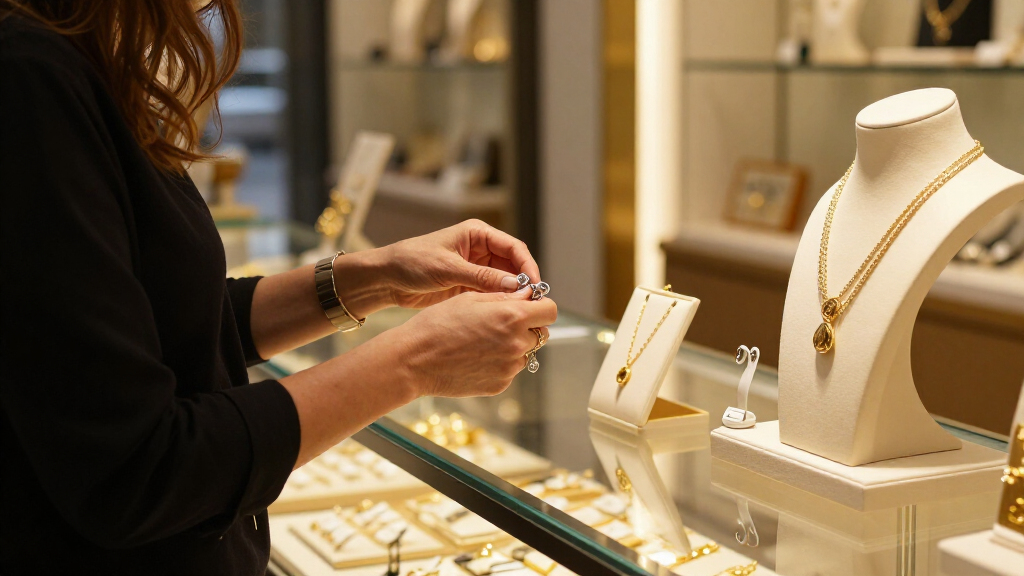
Jewelry sales in Japan have reached an all-time high, driven primarily by increased spending from Japanese consumers, according to recent industry data. For more on this topic, see our Jewellery guide for Japanese shoppers. This surge marks a significant shift in the country’s retail landscape and highlights changing consumer behavior amid economic recovery and cultural trends.
Industry reports indicate that Japanese jewelry sales have risen sharply in the past year, reaching a record high not seen in recent history. Experts attribute this growth to a combination of factors, including a rebound in consumer confidence, an increase in disposable income, and a cultural shift towards more frequent jewelry purchases for personal and celebratory reasons.
Market analysts note that the growth is driven mainly by domestic shoppers, with some reports suggesting a 15-20% increase in jewelry sales compared to the previous year. Major retailers and luxury brands operating in Japan have reported strong sales figures, with particular growth in high-end and mid-range jewelry segments.
Official data from Japan’s retail industry associations confirm this upward trend, although precise figures and detailed breakdowns are still being compiled. The trend appears to be widespread across urban centers like Tokyo and Osaka, and is also evident in smaller cities where consumer spending has been resilient.
Implications of Record Jewelry Sales for Japan’s Economy
This surge in jewelry sales indicates a positive shift in Japanese consumer confidence and economic stability. It suggests that households are willing to spend more on luxury items, which can have broader implications for retail, manufacturing, and the luxury market in Japan. The trend may also reflect cultural shifts, such as increased personal investment in jewelry as a form of self-expression or savings.
For retailers and brands, the record sales represent an opportunity to expand marketing efforts and product offerings tailored to Japanese consumers’ preferences. However, it also raises questions about whether this trend will sustain amid ongoing economic uncertainties and global market fluctuations.
As an affiliate, we earn on qualifying purchases.
Recent Trends and Factors Behind the Jewelry Boom
Over the past year, Japan has experienced a gradual economic recovery following pandemic-related disruptions. Consumer confidence has improved, supported by government stimulus measures and a resilient job market. Cultural shifts, including increased interest in personal adornment and gift-giving, have also contributed to rising jewelry demand.
Historically, jewelry sales in Japan have been influenced by economic cycles and cultural trends. The current growth period appears to be driven by a combination of pent-up demand, a desire for luxury items amidst a recovering economy, and a shift towards more frequent individual purchases rather than solely for special occasions.
Major jewelry retailers and brands have reported increased foot traffic and sales volume, especially in urban centers. The trend aligns with broader retail patterns showing a rebound in luxury and discretionary spending across Japan.
“We are seeing record-breaking numbers this quarter, especially in high-end jewelry segments, which indicates a strong recovery in consumer spending.”
— Takashi Saito, Retail Executive
Factors That Could Affect Future Jewelry Sales
It remains unclear whether the current surge in jewelry sales will be sustained over the coming months. Economic uncertainties, such as inflation, global market volatility, or potential changes in consumer confidence, could influence future trends. Additionally, the impact of external factors like geopolitical tensions or shifts in disposable income levels is still uncertain.
Analysts caution that while current data is promising, the long-term outlook depends on broader economic conditions and consumer sentiment, which can change rapidly.
Monitoring Sales Trends and Market Responses
Industry analysts and retailers will continue to monitor jewelry sales data over the next few quarters to determine if the current growth trend persists. Market research firms are expected to release more detailed reports, including breakdowns by segment and region.
Retailers may adjust their marketing strategies, product lines, and inventory based on ongoing consumer behavior patterns. Policymakers and industry stakeholders will also observe these trends to gauge economic recovery and consumer confidence in Japan.
Key Questions
What is driving the increase in jewelry sales in Japan?
The rise is primarily driven by increased spending from Japanese consumers, supported by economic recovery, higher disposable incomes, and cultural shifts towards personal adornment and gift-giving.
Are luxury brands experiencing the most growth?
Yes, reports indicate that high-end and mid-range jewelry segments are seeing significant growth, with major brands experiencing strong sales in urban centers.
Could this trend continue long-term?
The future of the trend depends on broader economic factors, including consumer confidence, inflation, and global market stability. It remains uncertain whether the growth will sustain beyond the short term.
How does this trend compare to previous years?
This year’s sales have reached a record high, surpassing previous peaks, which were influenced by different economic conditions and cultural factors.
Source: rss