
TL;DR

Get your wardrobe favorites delivered free with Prime
- Fast, free delivery on millions of items
- Prime Video, Amazon Music and more included
- Member-only deals all year
Highsnobiety’s Beauty Freak column reports that scalp care is gaining visibility through products, treatments and head spas, with the scalp-care market valued in the source at $15 billion. The column describes a growing range of offerings but also warns that claims about hair growth vary in evidence and that consumers should be wary of marketing.
Scalp care is becoming a more visible part of the beauty business, with products, salon-style head spas and clinical treatments marketed to consumers concerned about hair health and shedding, according to a report by Highsnobiety’s Sable Yong. The column describes a $15 billion scalp-care market and a widening array of offerings, while raising questions about how well consumers can distinguish clinical evidence from sales claims.
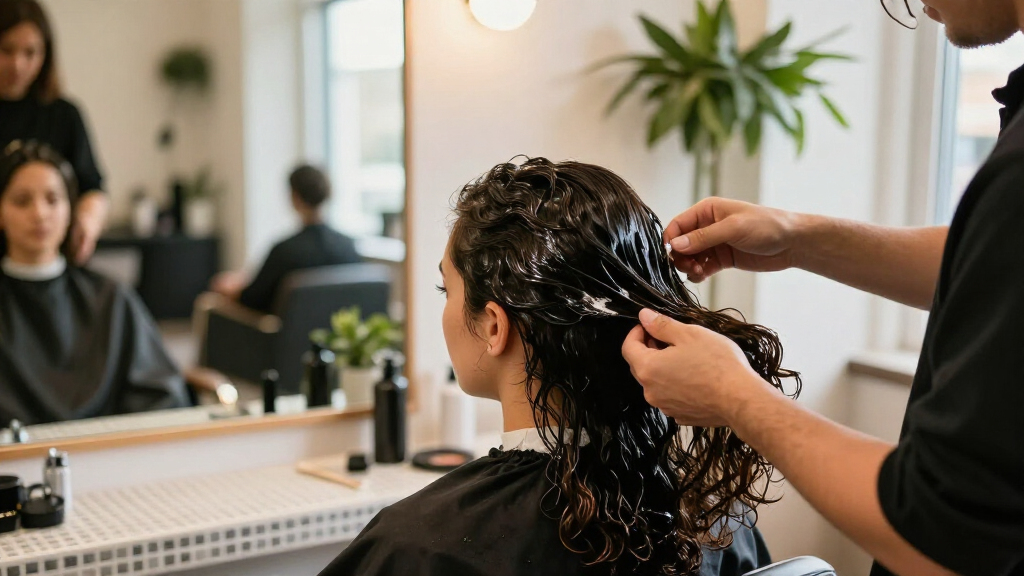
Yong reports attending multiple scalp-care brand events, where demonstrations commonly included an enlarged scalp analysis, an explanation of scalp health and a presentation of products. The column also describes head spas, treatments that have spread from Japan and combine a shampoo-style rinse with a head, neck and back massage. Such services have gained visibility on social media, where videos of the treatments are circulated as “come with me” content.
The products and interventions described range from low-cost scalp massagers to supplements, serums and in-clinic procedures. Yong cites Omi gummies and capsules priced at $86 for a month’s supply, with clinicians recommending a three-month course, and K18’s Future IQ Biomimetic Hair Longevity Serum at $120 a month. The column says the serum claims to address shedding, premature graying and scalp aging; these are company claims, not findings independently established in the report.
More intensive options include red-light hats, microneedling rollers and platelet-rich plasma injections, which Yong says can cost several hundred dollars. She says she had not tried those interventions and that friends reported varying results. The column does not compare treatments in a controlled clinical review or establish that any listed product will work for a particular consumer.
The Business Behind Scalp Anxiety
The expansion matters because it brings a concern often associated with men’s grooming into a broader beauty and wellness marketplace. Yong suggests that aging concerns, social-media scrutiny and the popularity of longevity-focused wellness may be helping to make scalp health feel like another aspect of routine self-maintenance. That is the writer’s interpretation, rather than a measured finding about consumer behavior.
For readers, the shift means more choices and more marketing—but also potentially high costs and uncertainty about results. A monthly supplement or serum can become a substantial expense, while procedures may cost hundreds of dollars. The report’s central caution is that consumers face a crowded landscape of promises and affiliate links, making it difficult to tell what is supported by clinical evidence.
Popular right now

Samsung 42-Inch Class OLED S90F 4K Smart TV (2025)

Vitamix 5200 Professional-Grade Blender, 64 oz. Container, Black

Dreame L40 Ultra Gen 2 Robot Vacuum and Mop
As an affiliate, we earn on qualifying purchases.
From Hair Loss to Scalp Care
Yong links the trend to her own experience with temporary hair shedding after COVID. A hairstylist who was also a trichologist, a specialist in hair and scalp health, pointed out short new hairs and discussed telogen effluvium. The column says shedding associated with the condition can begin two to three months after recovery and last around six to nine months, with regrowth following. Yong’s account is personal and does not establish how commonly COVID causes hair loss or how readers should diagnose it.
That experience frames her observation that beauty culture has become more open about conditions once treated as embarrassing, including acne, stretch marks and scars. The report says scalp-focused advertising is now prominent in public spaces and describes South Korea as a source of many of the brands featured at events she attended. Its broader argument is that the scalp is being marketed as the starting point for healthier-looking hair.
““If you want nice, healthy hair, start with your scalp.””
— Sable Yong, Highsnobiety
Evidence Behind the Hair Claims
The report does not provide independent clinical studies comparing the products and procedures it names, nor does it establish which treatments reliably promote hair growth. Claims about reduced shedding, stronger follicles or prevention of graying and scalp aging are attributed to brands or providers where relevant; they should not be read as verified outcomes. Yong also notes that results among people she knows who tried some interventions varied.
It is also unclear from the source what date the $15 billion market valuation refers to, how it was calculated or what products and services it includes. The column gives no market-growth rate or consumer survey, so the scale of the market should be treated as the figure reported, not as a measure of how quickly demand is increasing.
A More Cautious First Step
Yong’s practical suggestion is to start with a low-cost routine rather than immediately buying expensive products or procedures: use one’s hands to massage the scalp. The technician she consulted recommended routine massage, but the report does not present that advice as a proven treatment or a substitute for medical assessment.
The column offers no announced product launch, regulatory decision or clinical milestone. For readers experiencing persistent or sudden hair loss, the source leaves open the question of cause and treatment; the available details do not support diagnosing a condition or predicting results. The next useful evidence would be independent clinical research that identifies which interventions help, for whom and under what conditions.
Key Questions
What is scalp care?
In the report, scalp care refers to products and services marketed to support scalp health and hair, including scalp analyses, massage tools, serums, supplements and head-spa treatments.
Does the report show that these products regrow hair?
No. It describes products and their marketing claims but does not independently verify their effectiveness or compare them in clinical trials.
What is telogen effluvium?
Yong describes it as temporary hair shedding that may begin two to three months after recovery from an illness and continue for six to nine months. Her account is not a diagnosis or general medical assessment.
How much can scalp-care options cost?
The examples in the column range from under $10 for some massagers to $86 for a month of Omi supplements and $120 a month for a K18 serum. It says some technology-based interventions and in-clinic treatments can cost several hundred dollars.
What remains unknown about the market?
The source does not specify the date or methodology behind its $15 billion market valuation, or provide a growth rate. It also does not establish which treatments have reliable clinical evidence for particular causes of hair loss.
Source: highsnobiety.com