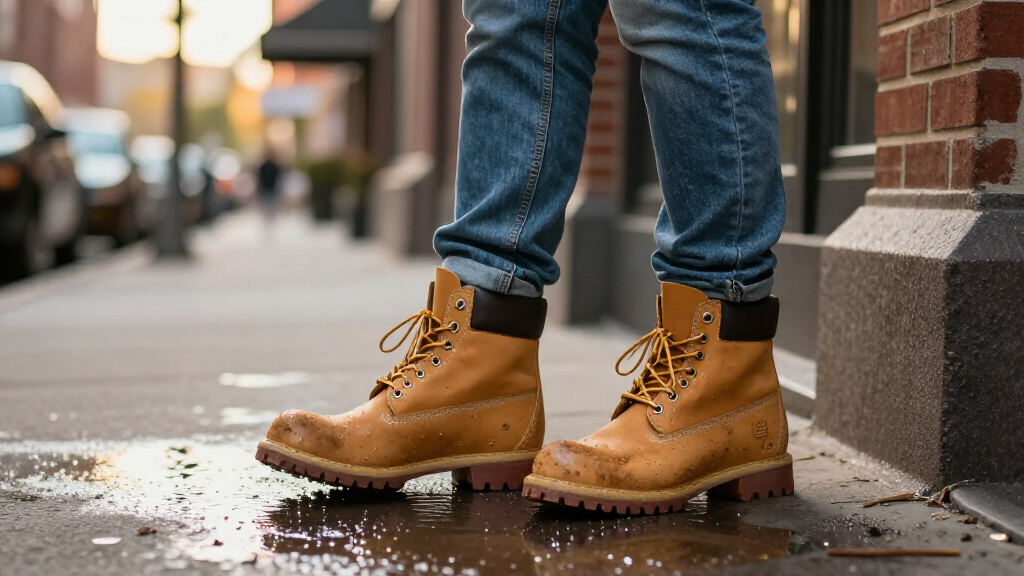

The best Timberland boots depend on where you plan to wear them: I’d start with the Premium 6-Inch Waterproof Boot as the most versatile everyday pick, look to the PRO Keele Ridge for steel-toe job-site protection, and choose the Mt. Maddsen for hiking. The lineup ranges from iconic leather lace-ups to lighter trail boots and work-focused designs, so there is no single fit for every routine. The main tradeoffs are weather protection versus breathability, everyday style versus task-specific safety, and sturdy construction versus easier break-in. Read on for how the 13 options compare and which one fits your needs.

Get your wardrobe favorites delivered free with Prime
- Fast, free delivery on millions of items
- Prime Video, Amazon Music and more included
- Member-only deals all year
Key Takeaways
- The Premium 6-Inch Waterproof Boot is the strongest all-around choice for buyers who want Timberland’s familiar boot style with waterproof construction, while its bulk makes it less suited to long, fast hikes.
- Work boots are not interchangeable with everyday Timberlands: the PRO Keele Ridge adds a steel toe for job-site protection, while the Direct Attach MaxTRAX uses a soft toe for buyers who do not need that protection.
- Timberland’s hiking models serve different priorities. The Mt. Maddsen and White Ledge are purpose-built options to compare for trail use; the Euro Hiker offers a more casual, less trail-focused direction.
- The two Britton Road styles offer a dressier alternative to the rugged 6-inch silhouettes, but buyers should compare their mid-height and boot-height designs against the more recognizable classic profile.
- Fit and intended use matter as much as waterproofing: the women’s Linden Woods gives women a dedicated option, while the Earthkeepers and Field models broaden the choice beyond the core 6-inch boots.
| Timberland Men’s Premium 6-Inch Waterproof Boot |  | Best Overall | Upper: Nubuck leather | Waterproofing: Seam-sealed construction | Insulation: 400 grams PrimaLoft | VIEW LATEST PRICE | See Our Full Breakdown |
| Timberland Britton Road Mid Lace Up Waterproof |  | Best for All-Day Cushioning | Upper: LWG-certified premium Timberland leather | Waterproofing: TimberDry membrane and seam-sealed construction | Lining: ReBOTL fabric with at least 50% recycled PET and leather backing | VIEW LATEST PRICE | See Our Full Breakdown |
| Timberland Men’s Classic 6-Inch Waterproof Lace-Up Boots |  | Best for Underfoot Support | Upper: Premium waterproof leather | Waterproofing: Seam-sealed construction | Insulation: 400 grams PrimaLoft | VIEW LATEST PRICE | See Our Full Breakdown |
| Timberland Men’s Field Boot Mid Waterproof |  | Best for Milder Outdoor Conditions | Upper: Premium Timberland Leather and mesh fabric | Lining: TimberDry waterproof lining with ReBOTL fabric | Insulation: 200 grams PrimaLoft | VIEW LATEST PRICE | See Our Full Breakdown |
| Timberland PRO Men’s Keele Ridge Waterproof Steel Toe Work Boot |  | Best for Protective Workwear | Upper: Waterproof nubuck leather and mesh | Safety toe: Steel; meets ASTM F2412-18a and ASTM F2413-18 I and C impact and compression standards | Waterproofing: Internal waterproof membrane; meets ASTM F1671-07 | VIEW LATEST PRICE | See Our Full Breakdown |
| Timberland PRO Direct Attach MaxTRAX Soft Toe Waterproof Work Boot |  | Best for Wet, Slip-Prone Worksites | Upper: Leather | Waterproofing: Seam-sealed construction | Insulation: 200 grams of Thermolite | VIEW LATEST PRICE | See Our Full Breakdown |
| Timberland Men’s Britton Road Waterproof Boot |  | Best for Warmth and Everyday Support | Upper: Premium waterproof leather | Waterproofing: Seam-sealed construction | Shaft height: Ankle | VIEW LATEST PRICE | See Our Full Breakdown |
| Timberland Men’s Earthkeepers 6-Inch Lace-Up Boot |  | Best for Recycled Materials and Classic Styling | Upper: 100% full-grain leather | Lining: 50% recycled PET | Laces: 100% recycled PET | VIEW LATEST PRICE | See Our Full Breakdown |
| Timberland Men’s Mt. Maddsen Waterproof Hiking Boots |  | Best for Trail Hiking | Upper: Premium waterproof Timberland leather | Waterproofing: TimberDry membrane | Tongue: Fully gusseted | VIEW LATEST PRICE | See Our Full Breakdown |
| Timberland Men’s Waterproof Field Hiking Boot |  | Best for Insulated All-Terrain Versatility | Shaft height: Ankle | Outer material: Leather | Waterproofing: TimberDry membrane and waterproof Premium Timberland leather | VIEW LATEST PRICE | See Our Full Breakdown |
| Timberland Men’s White Ledge Mid Waterproof Hiking Boots | 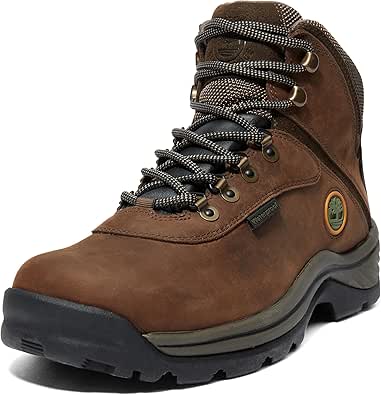 | Best for Wet-Weather Day Hikes | Upper: Waterproof premium Timberland leather | Construction: Seam-sealed | Lining: ReBOTL fabric | VIEW LATEST PRICE | See Our Full Breakdown |
| Timberland Men’s Euro Hiker Boot |  | Best for Arch Support on Outdoor Walks | Outer material: Leather | Leather type: Better Leather | Footbed and midsole: EVA | VIEW LATEST PRICE | See Our Full Breakdown |
| Timberland Women’s Linden Woods Waterproof Boots |  | Best Insulated Women’s Pick | Upper: Premium Timberland leather | Construction: Waterproof and insulated | Lining: ReBOTL fabric with at least 50% recycled plastic | VIEW LATEST PRICE | See Our Full Breakdown |
| Timberland boot | Upper | Shaft height | Lining | Outsole |
|---|---|---|---|---|
| Timberland Men’s Premium 6-Inc | Nubuck leather | Ankle | — | Rubber lug outsole with 10% plant-based materials |
| Timberland Britton Road Mid La | LWG-certified premium Timberland leather | Ankle | ReBOTL fabric with at least 50% recycled PET and leather backing | — |
| Timberland Men’s Classic 6-Inc | Premium waterproof leather | Ankle | ReBOTL fabric containing 50% recycled plastic | Rubber lug |
| Timberland Men’s Field Boot Mi | Premium Timberland Leather and mesh fabric | Ankle | TimberDry waterproof lining with ReBOTL fabric | — |
| Timberland PRO Men’s Keele Rid | Waterproof nubuck leather and mesh | Ankle | Moisture-wicking ReBOTL fabric with at least 50% recycled plastic | Rubber; slip-, oil-, heat-, and abrasion-resistant |
| Timberland PRO Direct Attach M | Leather | — | Breathable, odor-resistant fabric | Nonmarking TPU with oil- and abrasion-resistant MaxTRAX slip-resistant tread |
| Timberland Men’s Britton Road | Premium waterproof leather | Ankle | Leather | Rubber lug |
| Timberland Men’s Earthkeepers | 100% full-grain leather | — | 50% recycled PET | 15% recycled rubber |
| Timberland Men’s Mt. Maddsen W | Premium waterproof Timberland leather | Approximately 5 inches from arch | ReBOTL fabric | Rubber with 15% recycled rubber |
| Timberland Men’s Waterproof Fi | — | Ankle | — | — |
| Timberland Men’s White Ledge M | Waterproof premium Timberland leather | Ankle | ReBOTL fabric | Rubber with multidirectional lugs |
| Timberland Men’s Euro Hiker Bo | — | Ankle | — | Rubber lug |
| Timberland Women’s Linden Wood | Premium Timberland leather | 5.63 inches (14.3 cm) | ReBOTL fabric with at least 50% recycled plastic | — |
More Details on Our Top Picks
I’d put the Premium 6-Inch Waterproof Boot first for buyers seeking Timberland’s classic mix of weather protection, warmth, and sturdy construction. Its seam-sealed leather upper and 400 grams of PrimaLoft insulation are better suited to cold, wet days than the lighter-insulated Field Boot Mid. A padded collar and anti-fatigue technology add comfort for extended wear, while the rubber lug outsole provides traction on everyday surfaces.
The tradeoff is that this insulated leather build can feel too warm in mild weather, and the product details don’t specify fit guidance. Compared with the Classic 6-Inch Waterproof Lace-Up, this pick has a similar emphasis on warmth and protection, but lacks the Classic’s stated steel shank support and fit note. I’d choose it for a versatile cold-weather boot, not for a lightweight, warm-season option.
Pros:- Seam-sealed construction helps keep water out
- 400 grams of PrimaLoft insulation supports warmth in cold, damp conditions
- Anti-fatigue technology is designed to cushion steps and return energy
- Rubber lug outsole and triple-stitched construction suit regular outdoor wear
Cons:- Insulation may feel excessive in mild weather
- No specific fit or sizing guidance is provided
Best for: Buyers who want a warm, waterproof leather boot for cold-weather commuting and everyday wear
Not ideal for: People in mild climates or shoppers seeking a lightweight boot, since its 400-gram insulation and leather construction may feel warm
- Upper:Nubuck leather
- Waterproofing:Seam-sealed construction
- Insulation:400 grams PrimaLoft
- Shaft height:Ankle
- Outsole:Rubber lug outsole with 10% plant-based materials
- Construction:Direct-attached; Goodyear welt
- Collar:Padded leather
Our verdict“Choose this as a strong all-around Timberland boot if you want waterproof leather, substantial warmth, and lugged traction for cooler days.”
Timberland Britton Road Mid Lace Up Waterproof
The Britton Road Mid Lace Up stands out for buyers who put underfoot cushioning high on their list. Its OrthoLite Impressions memory foam footbed works alongside TimberCush and anti-fatigue technology, giving this model a comfort-focused setup that the Premium 6-Inch boot’s description does not match. TimberDry waterproofing and premium leather make it a practical choice for wet daily wear, while the ReBOTL lining includes at least 50% recycled PET.
It still brings some warmth through lightweight PrimaLoft insulation, but the product data doesn’t give a gram weight, so I wouldn’t choose it over the Premium 6-Inch for a clearly specified cold-weather build. The ankle-height shaft may not suit everyone, and its rubber lug outsole can feel heavier than a lighter-soled option. This is the better pick for cushioned everyday use, not for buyers seeking the most clearly documented winter insulation.
Pros:- OrthoLite Impressions memory foam footbed adds cushioning
- TimberCush and anti-fatigue technology support all-day wear
- TimberDry membrane and seam-sealed construction provide waterproof protection
- ReBOTL lining contains at least 50% recycled PET
Cons:- Rubber lug outsole may feel heavier than lighter-soled alternatives
- Ankle-height shaft may feel restrictive to buyers who prefer a lower cut
- Insulation weight is not specified
Best for: People who spend long days on their feet and want waterproof leather with several cushioning systems
Not ideal for: Shoppers who prefer a low-cut, lightweight shoe or need a specified insulation level for cold conditions
- Upper:LWG-certified premium Timberland leather
- Waterproofing:TimberDry membrane and seam-sealed construction
- Lining:ReBOTL fabric with at least 50% recycled PET and leather backing
- Insulation:Lightweight PrimaLoft
- Footbed:OrthoLite Impressions memory foam
- Comfort systems:TimberCush and anti-fatigue technology
- Shaft height:Ankle
- Shaft circumference:9.5 inches
Our verdict“Pick the Britton Road Mid if cushioning for long days matters more to you than a clearly defined winter insulation level.”
Timberland Men’s Classic 6-Inch Waterproof Lace-Up Boots
I’d steer buyers toward the Classic 6-Inch Waterproof Lace-Up when support underfoot matters as much as weather protection. It pairs waterproof leather and seam-sealed construction with a steel shank, which gives it a support feature not listed for the Premium 6-Inch Waterproof Boot. The EVA footbed, padded collar, and 400-gram PrimaLoft insulation round out a build aimed at comfortable wear in cold, wet conditions.
The main fit caveat is clear: this boot runs large, so sizing down is recommended. That makes it less straightforward to order than the Britton Road Mid, whose product data doesn’t give a similar sizing warning. Its substantial insulation can also be too warm when temperatures rise. I’d favor this model over the Premium 6-Inch when the steel shank and stated sizing guidance are useful, but not if you want a light, warm-weather boot.
Pros:- Waterproof leather and seam-sealed construction help protect against wet conditions
- 400 grams of PrimaLoft insulation supports warmth
- Steel shank adds underfoot support
- EVA footbed and rubber lug outsole combine cushioning with traction
Cons:- Runs large; sizing down is recommended
- 400-gram insulation may feel too warm in mild conditions
Best for: Buyers who want a warm waterproof 6-inch boot with a steel shank and are comfortable adjusting for a large-running fit
Not ideal for: Shoppers who need a lightweight boot for mild weather or prefer predictable sizing without ordering down
- Upper:Premium waterproof leather
- Waterproofing:Seam-sealed construction
- Insulation:400 grams PrimaLoft
- Lining:ReBOTL fabric containing 50% recycled plastic
- Footbed:EVA
- Support:Steel shank
- Outsole:Rubber lug
- Shaft height:Ankle
Our verdict“Choose the Classic 6-Inch if you want insulated waterproof protection with added steel-shank support and can account for its large-running fit.”
Timberland Men’s Field Boot Mid Waterproof
The Field Boot Mid Waterproof makes more sense than the heavily insulated Premium 6-Inch when you want waterproof protection without as much warmth. Its 200 grams of PrimaLoft provide a lighter insulation level than the 400 grams in the Premium and Classic 6-Inch boots, which may feel more comfortable for active wear in less severe cold. TimberDry lining, a padded collar, and an anti-fatigue footbed add weather protection and comfort for outdoor use.
The leather-and-mesh upper is a compromise: mesh can reduce coverage against sharp debris compared with the full leather upper of the Classic 6-Inch. The lower insulation level also makes this a weaker choice for extreme winter conditions. I’d pick the Field Boot Mid for wet, cool outings where mobility and moderate warmth matter more than maximum protection, but choose a more insulated 6-inch model for colder weather.
Pros:- TimberDry waterproof lining pairs with a Premium Timberland Leather upper
- 200 grams of PrimaLoft offer moderate warmth
- Anti-fatigue footbed and padded collar support extended wear
- Rubber sole is suited to rugged outdoor use
Cons:- Mesh sections may offer less protection from sharp debris than a full-leather upper
- 200 grams of insulation may not be enough for extreme winter conditions
Best for: Outdoor wearers who need waterproofing and moderate warmth for cool, wet conditions rather than severe winter cold
Not ideal for: People working around sharp debris or spending time in extreme cold, because the upper includes mesh and insulation is limited to 200 grams
- Upper:Premium Timberland Leather and mesh fabric
- Lining:TimberDry waterproof lining with ReBOTL fabric
- Insulation:200 grams PrimaLoft
- Sole:Rubber
- Shaft height:Ankle
- Lacing system:D-ring
- Comfort:Anti-fatigue footbed and padded collar
Our verdict“Choose the Field Boot Mid for wet, cool outdoor use when the 400-gram insulation of the 6-inch models would be more than you need.”
Timberland PRO Men’s Keele Ridge Waterproof Steel Toe Work Boot
The Keele Ridge Waterproof Steel Toe serves a different purpose from the lifestyle-focused 6-inch boots: it is the worksite pick for buyers who need specified toe and electrical hazard protection. Its steel safety toe meets listed ASTM impact and compression standards, while the boot also provides electrical hazard protection and a waterproof internal membrane. The outsole is described as slip-, oil-, heat-, and abrasion-resistant, giving it a more job-focused set of protections than the Field Boot Mid.
Those protections bring tradeoffs. A steel toe adds a rigid component that may not suit buyers seeking a flexible everyday boot, and the ankle-height shaft offers less coverage than a taller work boot. The nubuck leather-and-mesh upper also differs from the full-leather construction of the Premium 6-Inch. I’d choose the Keele Ridge for work requiring protective features, not as a substitute for a cushioned casual winter boot.
Pros:- Steel toe meets listed ASTM impact and compression standards
- Electrical hazard protection is specified
- Internal waterproof membrane helps keep feet dry
- Rubber outsole is slip-, oil-, heat-, and abrasion-resistant
Cons:- Steel toe adds rigidity that may reduce comfort for casual wear
- Ankle-height shaft provides less coverage than a taller work boot
- Mesh in the upper offers less coverage than a full-leather design
Best for: Workers who need a waterproof Timberland boot with a steel safety toe, electrical hazard protection, and a work-rated outsole
Not ideal for: Casual buyers seeking a flexible everyday or cold-weather boot without a rigid safety toe
- Upper:Waterproof nubuck leather and mesh
- Safety toe:Steel; meets ASTM F2412-18a and ASTM F2413-18 I and C impact and compression standards
- Waterproofing:Internal waterproof membrane; meets ASTM F1671-07
- Electrical hazard protection:Meets ASTM F2412-18a, ASTM F2413-18, and ASTM F2892-18
- Lining:Moisture-wicking ReBOTL fabric with at least 50% recycled plastic
- Outsole:Rubber; slip-, oil-, heat-, and abrasion-resistant
- Shaft height:Ankle
- Shaft circumference:9.25 inches
Our verdict“Choose the Keele Ridge when your work calls for a waterproof steel-toe boot with electrical hazard protection rather than a casual Timberland boot.”
Timberland PRO Direct Attach MaxTRAX Soft Toe Waterproof Work Boot
For work that calls for a waterproof boot and dependable underfoot grip, the Direct Attach MaxTRAX is the most work-focused option in this group. Its seam-sealed leather upper and 200 grams of Thermolite insulation suit damp, cool conditions, while the oil- and abrasion-resistant MaxTRAX outsole is designed for traction on slick work surfaces. Compared with the hiking-oriented Mt. Maddsen, this Timberland PRO boot prioritizes workplace tread and durability over a hiking setup with an EVA midsole. The tradeoff is its soft toe: it does not provide a reinforced safety toe, so buyers whose job requires one should look at a safety-toe model such as the Timberland PRO Keele Ridge instead. Insulation can also feel too warm in hot conditions.
Pros:- Seam-sealed waterproof leather upper helps keep water out.
- MaxTRAX tread is designed for slip resistance on work surfaces.
- TPU outsole resists oil and abrasion and is nonmarking.
- Breathable, odor-resistant lining pairs with 200 grams of insulation.
Cons:- Soft toe lacks the reinforced protection required for some jobs.
- Insulated construction may be uncomfortable in warm weather.
Best for: Workers who need a waterproof, insulated boot with oil- and abrasion-resistant slip-resistant tread and do not require a reinforced toe.
Not ideal for: Workers who need safety-toe protection or work in hot conditions where 200 grams of insulation may feel too warm.
- Upper:Leather
- Waterproofing:Seam-sealed construction
- Insulation:200 grams of Thermolite
- Toe:Soft toe
- Lining:Breathable, odor-resistant fabric
- Outsole:Nonmarking TPU with oil- and abrasion-resistant MaxTRAX slip-resistant tread
- Shaft circumference:10 inches
- Standards compliance:ASTM F2892-24 EH SRO
Our verdict“Choose this Timberland PRO boot for cool, wet worksites where slip-resistant tread matters more than a reinforced toe.”
Timberland Men’s Britton Road Waterproof Boot
The Britton Road Waterproof Boot suits buyers who want a weather-ready ankle boot with insulation and a comfort system, rather than a dedicated work or hiking design. Its seam-sealed waterproof leather and PrimaLoft insulation help keep feet warm when conditions are wet, while Anti-Fatigue Technology is designed to absorb shock and return energy during extended wear. Compared with the Earthkeepers 6-Inch Lace-Up, the Britton Road puts more emphasis on waterproofing and wet-weather warmth; the Earthkeepers instead highlights recycled materials and a removable footbed. The Britton Road’s ankle-height cut is easier to wear as an everyday boot, but offers less shaft coverage than taller options such as the Mt. Maddsen. The available details do not specify an insulation weight, so buyers seeking a particular warmth level have less information to work with.
Pros:- Premium waterproof leather and seam-sealed construction help block moisture.
- PrimaLoft insulation is designed to retain warmth when wet.
- Anti-Fatigue Technology is designed to absorb shock and return energy.
- Rubber lug outsole provides a rugged tread pattern.
Cons:- Ankle-height shaft provides less coverage than a mid-height hiking boot.
- The insulation amount is not specified in the provided product details.
Best for: Everyday wearers who want an ankle-height leather boot with waterproof construction, wet-weather insulation, and cushioning support.
Not ideal for: Hikers seeking a boot with a described trail-focused midsole and membrane, or buyers who need a specified insulation weight or taller shaft coverage.
- Upper:Premium waterproof leather
- Waterproofing:Seam-sealed construction
- Shaft height:Ankle
- Insulation:PrimaLoft
- Lining:Leather
- Outsole:Rubber lug
- Comfort technology:Anti-Fatigue Technology
- Shaft circumference:9.75 (unit not specified)
- Origin:Imported
Our verdict“Pick the Britton Road for everyday wet-weather warmth and cushioning in an ankle-height leather boot.”
Timberland Men’s Earthkeepers 6-Inch Lace-Up Boot
The Earthkeepers 6-Inch Lace-Up is the clearest choice here for buyers who value a classic leather boot with recycled materials in several components. Its full-grain leather upper is paired with a lining and laces made with recycled PET, an outsole containing recycled rubber, and a removable anti-fatigue footbed. That gives it a different emphasis from the waterproof Mt. Maddsen, which is better equipped for wet trails with a TimberDry membrane and fully gusseted tongue. The Earthkeepers’ details do not list a waterproof membrane, so I would not choose it as the first option for frequent rain or muddy hikes. Fit also calls for attention: Timberland recommends ordering one size down from usual sneaker size. Its straightforward lace-up design makes sense for casual wear, but offers fewer trail-specific protections than the Mt. Maddsen.
Pros:- Premium full-grain leather upper.
- Lining and laces are made with recycled PET.
- Removable anti-fatigue footbed allows for replacement or adjustment.
- Outsole contains recycled rubber.
Cons:- Provided specifications do not list a waterproof membrane or seam-sealed construction.
- Timberland recommends ordering one size down from usual sneaker size.
- Listed weight applies only to a size 9 boot.
Best for: Buyers who want a full-grain leather 6-inch boot with recycled materials and a removable comfort footbed for casual everyday wear.
Not ideal for: People who need clearly specified waterproof construction for rainy commutes or wet hiking, or who prefer standard sneaker-size guidance.
- Upper:100% full-grain leather
- Lining:50% recycled PET
- Laces:100% recycled PET
- Footbed:Removable anti-fatigue
- Outsole:15% recycled rubber
- Weight:1 lb 3 oz per boot (size 9)
- Recommended fit:Order one size down from usual sneaker size
- Origin:Imported
Our verdict“Choose the Earthkeepers for casual leather-boot wear and recycled-material details, not for dependable wet-trail protection.”
Timberland Men’s Mt. Maddsen Waterproof Hiking Boots
For day hikes and wet paths, the Mt. Maddsen Waterproof Hiking Boot makes the strongest trail-specific case in this group. A TimberDry membrane, waterproof leather, and fully gusseted tongue work together to help keep water out, while the compression-molded EVA midsole adds cushioning underfoot. Its removable anti-fatigue footbed and rubber outsole make it more hiking-oriented than the Earthkeepers 6-Inch Lace-Up, whose listed details focus on leather, recycled components, and casual wear. The Field Hiking Boot also offers waterproofing and a removable footbed, but the Mt. Maddsen’s approximately five-inch shaft gives it a more defined mid-height hiking profile. The tradeoff is that the provided specs do not describe insulation, so cold-weather hikers may prefer a warmer option such as the insulated Britton Road or Field Hiking Boot.
Pros:- Waterproof leather and TimberDry membrane help protect against wet conditions.
- Fully gusseted tongue helps limit water and debris entering at the opening.
- Removable anti-fatigue footbed and EVA midsole provide cushioning options.
- Rubber outsole incorporates 15% recycled rubber.
Cons:- Insulation is not specified in the provided product details.
- Mid-height shaft offers more coverage than an ankle boot but may feel less casual for daily wear.
- Limited warranty excludes purchases from unauthorized sellers.
Best for: Day hikers who want waterproof leather, a membrane, mid-height coverage, and cushioning for wet trails.
Not ideal for: Cold-weather hikers who need specified insulation, or buyers seeking an ankle-height boot for everyday wear.
- Upper:Premium waterproof Timberland leather
- Waterproofing:TimberDry membrane
- Tongue:Fully gusseted
- Lining:ReBOTL fabric
- Footbed:Removable anti-fatigue
- Midsole:Compression-molded EVA
- Outsole:Rubber with 15% recycled rubber
- Shaft height:Approximately 5 inches from arch
- Shaft circumference:9.5 inches
Our verdict“Choose the Mt. Maddsen for wet day hikes where waterproofing and cushioned trail comfort take priority over insulation.”
Timberland Men’s Waterproof Field Hiking Boot
The Waterproof Field Hiking Boot bridges everyday field wear and hiking more directly than the Britton Road: it pairs an ankle-height profile with a waterproof TimberDry membrane, waterproof leather, and a fully gusseted tongue. Its PrimaLoft insulation adds a warmth-focused feature missing from the Mt. Maddsen’s listed specs, while a flexible nylon shank and removable anti-fatigue footbed support movement and cushioning. The Mt. Maddsen is the more clearly specified mid-height trail option, with an EVA midsole and stated shaft measurements; this Field boot instead emphasizes ankle-height mobility and insulation. That shorter shaft means less coverage, and the product details do not state the boot’s weight or insulation level. Buyers comparing warmth should account for that missing information rather than assume a particular degree of cold-weather protection.
Pros:- Waterproof leather, TimberDry membrane, and fully gusseted tongue help keep water out.
- PrimaLoft insulation is designed to retain warmth when wet.
- Removable anti-fatigue footbed is designed to absorb shock and return energy.
- Flexible nylon shank and padded leather collar support movement and comfort.
Cons:- Ankle-height shaft provides less coverage than the Mt. Maddsen’s mid-height design.
- Product details do not specify the boot’s weight or insulation level.
Best for: Hikers and outdoor workers who want an ankle-height waterproof boot with PrimaLoft insulation and a flexible shank.
Not ideal for: People who need taller ankle coverage, a stated insulation weight, or a listed boot weight before choosing.
- Shaft height:Ankle
- Outer material:Leather
- Waterproofing:TimberDry membrane and waterproof Premium Timberland leather
- Insulation:PrimaLoft
- Shank:Lightweight nylon
- Footbed:Removable anti-fatigue
- Shaft circumference:9.25 inches
- Recycled materials:TimberDry membrane made with at least 50% recycled plastic; ReBOTL material contains at least 50% recycled PET
Our verdict“Choose the Field Hiking Boot for insulated, waterproof ankle-height versatility, but opt for the Mt. Maddsen if you want a taller, more fully specified hiking design.”
Timberland Men’s White Ledge Mid Waterproof Hiking Boots
The White Ledge Mid is the hiking-focused pick here: its waterproof leather, seam-sealed construction, and fully gusseted tongue help keep trail splashes and rain from working in around the upper. Multidirectional lugs give it a more trail-ready footing than the everyday-oriented Timberland Men’s Premium 6-Inch Waterproof Boot, while the EVA footbed and midsole keep the build simpler than a boot with a steel shank. That makes it a sensible choice for casual hikes and changeable weather, rather than a technical backpacking boot. The tradeoff is that the supplied details do not specify insulation or a supportive shank, so buyers needing added cold-weather warmth or firmer arch support may prefer another model. Its ankle-height cut also offers less coverage than taller boots.
Pros:- Waterproof premium leather and seam-sealed construction help block moisture.
- Fully gusseted tongue limits water and debris entry at the laces.
- Multidirectional rubber lugs suit varied hiking surfaces.
- ReBOTL fabric lining incorporates recycled material.
Cons:- No insulation is specified for cold-weather use.
- No steel shank is listed for added arch support.
- Ankle-height coverage offers less protection than taller boot designs.
Best for: Day hikers who want waterproof coverage, trail-oriented rubber lugs, and a straightforward ankle-height boot for wet conditions.
Not ideal for: Cold-weather hikers seeking specified insulation, or buyers who need a steel shank for added arch support on long, loaded hikes.
- Upper:Waterproof premium Timberland leather
- Construction:Seam-sealed
- Lining:ReBOTL fabric
- Footbed:EVA
- Midsole:EVA
- Outsole:Rubber with multidirectional lugs
- Closure:Speed-lace hardware with lace hooks
- Shaft height:Ankle
Our verdict“Choose the White Ledge Mid for wet day hikes and trail grip; skip it if you need insulation or a listed steel shank.”
Timberland Men’s Euro Hiker Boot
The Euro Hiker earns its place for buyers who want a sturdier-feeling hiking boot, especially the added steel shank for arch support. Compared with the White Ledge Mid, which emphasizes seam-sealed waterproofing and a fully gusseted tongue, the Euro Hiker’s supplied details put more emphasis on underfoot structure and recycled-content lining. Its EVA footbed and midsole pair with a rubber lug outsole for cushioning and traction, while Better Leather and a lining containing at least 50% recycled plastic give the material choices a clear sustainability angle. The tradeoff is initial stiffness: the leather and shank may take time to feel comfortable. Waterproof construction is not specified in the supplied details, so I would favor the White Ledge Mid for wet-weather hikes.
Pros:- Steel shank adds arch support underfoot.
- Rubber lug outsole is suited to outdoor traction.
- EVA footbed and midsole provide cushioning.
- ReBOTL lining contains at least 50% recycled plastic.
Cons:- Leather construction and steel shank may feel stiff initially.
- Waterproof construction is not specified in the supplied product details.
Best for: Outdoor walkers and casual hikers who value added arch support and a leather boot with recycled-content lining.
Not ideal for: Hikers who need clearly specified waterproof construction or prefer a flexible boot right out of the box.
- Outer material:Leather
- Leather type:Better Leather
- Footbed and midsole:EVA
- Outsole:Rubber lug
- Shank:Steel, for arch support
- Recycled content:At least 50% PET in ReBOTL lining
- Shaft height:Ankle
- Shaft circumference:9.25 inches
Our verdict“Pick the Euro Hiker for structured support and recycled-content materials, but choose the White Ledge Mid when specified waterproofing matters more.”
Timberland Women’s Linden Woods Waterproof Boots
The Linden Woods is the clearest choice in this group for women seeking a waterproof boot with insulated construction for colder conditions. That warmth-focused setup separates it from the White Ledge Mid, whose supplied details emphasize hiking traction and seam-sealed weather protection but do not list insulation. The Linden Woods also uses a ReBOTL lining made with at least 50% recycled plastic and a durable rubber sole, making it a practical option for everyday cold-weather wear. Its 5.63-inch shaft gives more coverage than an ankle-height hiker, though it may feel too tall for someone after a low-profile boot. The product details do not specify a lug pattern or insulation level, so buyers planning demanding trail use or needing a precise warmth rating may want a more detailed hiking model.
Pros:- Waterproof premium leather upper helps keep feet dry.
- Insulated construction is suited to colder weather.
- ReBOTL lining contains at least 50% recycled plastic.
- Rubber sole provides durable underfoot wear.
Cons:- The 5.63-inch shaft may feel too tall for buyers seeking a lower profile.
- The supplied details do not state an insulation rating.
- A specific lug pattern for hiking traction is not listed.
Best for: Women looking for waterproof leather boots with insulation for cold-weather errands and everyday outdoor wear.
Not ideal for: Buyers who want an ankle-height profile, a specified trail-lug outsole, or a stated insulation rating for demanding conditions.
- Upper:Premium Timberland leather
- Construction:Waterproof and insulated
- Lining:ReBOTL fabric with at least 50% recycled plastic
- Sole:Rubber
- Style:Lace-up
- Shaft height:5.63 inches (14.3 cm)
- Shaft circumference:9 inches
- Origin:Imported
Our verdict“Choose the Linden Woods for insulated waterproof everyday wear; choose the White Ledge Mid instead for specified hiking-focused traction.”
How We Picked
I compared the 13 Timberland models by intended use, protection, comfort priorities, and versatility, rather than treating every waterproof boot as a substitute for every other one. The lineup includes everyday leather boots, hiking styles, work footwear, and a women’s model; a boot earns a stronger placement when its design makes sense for the job it is meant to do. I also weighed practical differences such as waterproof construction, toe protection, boot height, and whether a style is likely to suit daily wear or more demanding terrain.
The ranking favors broad usefulness first: the Premium 6-Inch is the lead pick because it bridges familiar Timberland styling and weather protection. More specialized boots rank higher for buyers with a clear need—such as steel-toe protection or hiking support—but lower as one-boot-for-everything choices. I treat similar-looking options as meaningful alternatives only when their height, intended use, or protection changes the buying decision, and I account for drawbacks such as bulk, narrower use cases, or less trail-specific design.
| Timberland boot | Waterproofing |
|---|---|
| Timberland Men’s Premium 6-Inc | Seam-sealed construction |
| Timberland Britton Road Mid La | TimberDry membrane and seam-sealed construction |
| Timberland Men’s Classic 6-Inc | Seam-sealed construction |
| Timberland Men’s Field Boot Mi | — |
| Timberland PRO Men’s Keele Rid | Internal waterproof membrane; meets ASTM F1671-07 |
| Timberland PRO Direct Attach M | Seam-sealed construction |
| Timberland Men’s Britton Road | Seam-sealed construction |
| Timberland Men’s Earthkeepers | — |
| Timberland Men’s Mt. Maddsen W | TimberDry membrane |
| Timberland Men’s Waterproof Fi | TimberDry membrane and waterproof Premium Timberland leather |
| Timberland Men’s White Ledge M | — |
| Timberland Men’s Euro Hiker Bo | — |
| Timberland Women’s Linden Wood | — |
Factors to Consider When Choosing Best Timberland Boots
Before choosing among Timberland boots, I’d narrow the field by where you’ll wear them most, then check fit and protection against that use. These broader checks can help prevent a common mistake: buying a boot for its appearance or waterproof label without matching its construction to the miles, surfaces, and work demands it will face.
Match the Boot to Its Main Job
Start by naming the activity that will take up most of the boot’s life: commuting, hiking, or work. A rugged-looking everyday boot is not automatically built for long trail days, and a hiking boot is not a replacement for job-site footwear that must meet specific safety rules. If your days are split across uses, prioritize the activity with the greatest consequence for a poor fit or inadequate protection. Then decide whether a second pair would serve the other role better than asking one boot to do everything. This keeps style from outweighing function when the two point in different directions.
Treat Waterproofing as a Comfort Tradeoff
Waterproof construction can help in rain, slush, and wet grass, but it may feel warmer than a less protective shoe during dry, mild weather. Think about the climate and how long you’ll wear the boots at a stretch, not just how often you expect to step in a puddle. For regular wet-weather use, protection may be worth the added warmth; for mostly dry indoor and urban wear, breathability and ease of wear may matter more. Also check care guidance for the specific materials, since keeping leather clean and conditioned helps preserve its appearance. Don’t assume that a waterproof label means the boot needs no maintenance.
Choose Height for Support, Mobility, and Pants Fit
Higher shafts can offer more coverage and a familiar rugged look, but they may feel heavier and take more effort to lace and break in. Mid-height styles can be easier to move in and pair with everyday clothing, though they cover less of the ankle and lower leg. Consider whether you spend the day walking, sitting, or crossing uneven ground, since those routines put different demands on boot weight and shaft height. Try boots with the socks you expect to wear and check that the collar does not rub when you flex your ankle. A taller boot is not automatically the more supportive choice if its fit is wrong.
Buy Work Protection to Match the Job
For work boots, identify the hazards and footwear requirements set by your employer before choosing a toe style. Steel-toe protection may be needed for impact risks, while a soft-toe model can make more sense where that protection is not required. Waterproofing and traction are useful only if they match the surfaces and conditions at your workplace; they do not replace required safety features. Check whether your job calls for other ratings or construction details beyond the toe, rather than assuming that a work-boot label covers every hazard. When rules are unclear, ask the employer or safety lead before buying.
Prioritize Fit Before Appearance
Boot sizing can feel different from sneaker sizing, so use the brand’s current sizing guidance and try both feet later in the day, when feet may be a little larger. Leave room for toes to move without letting the heel lift excessively, and test the fit with the socks you plan to wear. A snug boot that softens with wear is not the same as a boot that pinches, presses on the toes, or creates hot spots right away. Leather may give with use, but painful pressure is not a break-in plan. If you rely on orthotics, confirm that the boot’s insole and interior volume can accommodate them.
Pay More for a Need, Not a Look Alone
A higher-cost boot makes most sense when its added protection, construction, or fit solves a real problem for your routine. Buyers with daily job-site demands may value task-specific work features more than a classic silhouette, while occasional city wearers may not benefit from choosing a specialized work or hiking model. Compare the cost of ownership too: frequent use in wet or rough conditions calls for a care routine and may justify a more purpose-built pair. Avoid paying for features you will not use, but do not sacrifice required protection or a sound fit to chase a more familiar style. The best match is the boot whose advantages show up in your actual week.
Frequently Asked Questions
Which Timberland boot is the best choice if I want one pair for everyday wear?
I’d begin with the Premium 6-Inch Waterproof Boot because it combines a recognizable everyday profile with wet-weather protection. It is a better general-purpose starting point than the steel-toe Keele Ridge, which is designed around work protection, or the Mt. Maddsen, which is aimed at hiking. The main tradeoff is its more substantial feel compared with lighter footwear. If you spend most of your time on trails or at a job site, choose a boot built for that use instead of relying on a versatile-looking style.
Should I choose a steel-toe or soft-toe Timberland PRO boot?
Let your workplace’s hazards and rules decide, not appearance alone. The Keele Ridge steel-toe is the more relevant option when impact protection is required, while the Direct Attach MaxTRAX soft-toe suits buyers who need a work-oriented boot without a protective toe. A soft toe is not a substitute where a steel toe or another safety rating is mandated. Ask your employer which standards apply, then check the boot’s listed specifications against those requirements. Comfort and waterproofing come after the required safety features.
Are Timberland hiking boots a better choice than the classic 6-inch boots for trails?
For regular trail use, I’d compare the Mt. Maddsen and White Ledge before choosing a classic 6-inch boot. Hiking models are intended for trail-focused wear, while the Premium 6-Inch is the stronger pick for everyday style and wet-weather use around town. The right choice still depends on terrain, distance, pack weight, and how the boot fits your foot. Try the pair on a similar incline or uneven surface if possible, since heel movement and toe pressure can become more noticeable on trails. For casual walks and mixed city wear, a dedicated hiking boot may be more boot than you need.
Is a waterproof Timberland boot suitable for warm or mostly dry weather?
It can be, but waterproof protection may feel warmer than you want during hot days or long indoor stretches. If you rarely encounter rain, slush, or wet ground, compare the boot’s weight and comfort against a less weather-focused option rather than paying attention to the waterproof label alone. For frequent wet conditions, that protection can be worthwhile even if it adds warmth. Sock choice and fit also affect how comfortable a boot feels across changing temperatures. Think about the conditions you face most often, not only the worst weather of the year.
How should I choose between the two Britton Road boots and the classic 6-inch styles?
I’d make this a choice about silhouette and coverage as much as function. The Britton Road Mid Lace Up offers a lower-profile direction than the classic 6-inch designs, while the Britton Road Waterproof Boot gives buyers another boot-height alternative; compare their listed construction and fit details before deciding. The Premium and Classic 6-Inch styles lean into Timberland’s more familiar rugged look. If you want a boot that feels less visually bulky with everyday clothes, the Britton Road options may suit you better. If the iconic taller profile is the point, start with the 6-inch pair that best matches your fit and styling preferences.
Conclusion
For most buyers seeking one pair for daily wear, my best overall pick is the Timberland Men’s Premium 6-Inch Waterproof Boot. The best value direction is the more straightforward Timberland Men’s Classic 6-Inch Waterproof Lace-Up Boots for shoppers who want the familiar silhouette and waterproof construction without moving to a specialized work or hiking design; compare current materials and fit details before choosing between the two. For a premium, more refined everyday look, I’d shortlist the Britton Road models, while beginners who want a recognizable, broadly usable first pair can start with the Premium 6-Inch. For specific needs, choose the PRO Keele Ridge when steel-toe protection is required, the PRO Direct Attach MaxTRAX for a soft-toe work boot, the Mt. Maddsen or White Ledge for hiking, and the Linden Woods if you want a women’s model. The right Timberland is the one that fits your foot and matches your main use—not simply the most familiar style.