
TL;DR

Get your wardrobe favorites delivered free — and shop member deals
- Fast, free delivery on millions of items
- Access to Prime Big Deal Days deals on October 6–7
- Prime Video, Amazon Music and more included
Search interest in fragrance mixing is rising, driven by a trend toward personalized scent creation. Experts share practical tips to help consumers mix fragrances safely and attractively, emphasizing balance and compatibility.
Search interest in mixing fragrances has surged recently, reflecting a growing consumer desire for personalized scent experiences. Experts now emphasize simple, foundational principles to help enthusiasts create harmonious blends without professional training, making fragrance mixing more accessible.
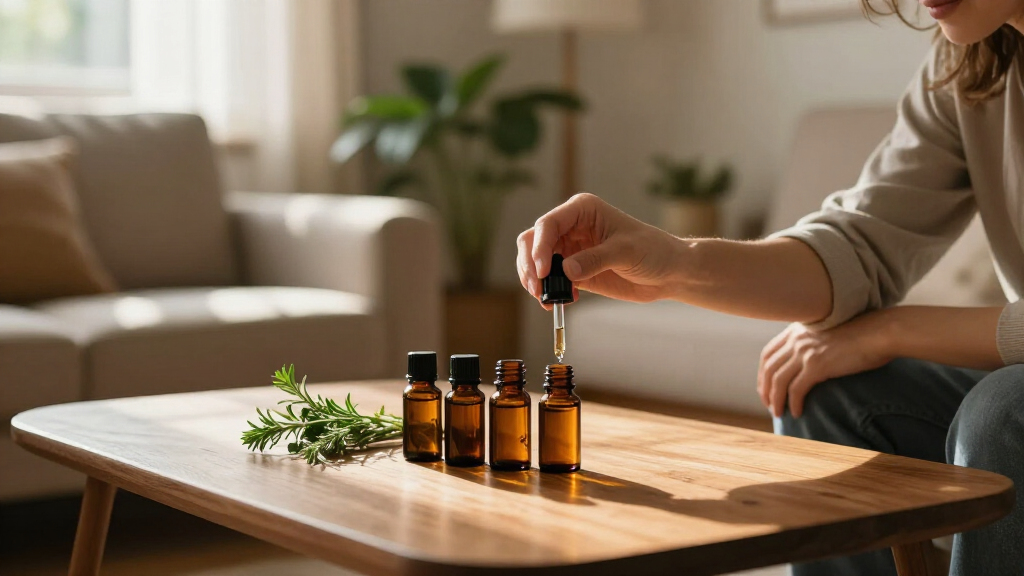
According to fragrance specialists, effective fragrance mixing hinges on understanding basic principles such as scent compatibility, balance, and layering techniques. Experts advise starting with small amounts and testing combinations on skin or blotters before committing to larger batches. They stress that fragrances with similar notes or complementary accords tend to blend more naturally, reducing the risk of unpleasant clashes.
Many experts warn against mixing too many scents at once, as complexity can lead to overpowering or discordant results. Instead, they recommend selecting one dominant fragrance and adding subtle accents or supporting notes to enhance the overall aroma. This approach helps maintain clarity and prevents the blend from becoming muddled.
Additionally, professionals highlight the importance of considering the occasion, season, and personal preferences when creating custom fragrance blends. For example, fresh citrus notes may suit daytime wear, while richer, warmer scents are better for evening or colder months. Testing and patience are key, as fragrance development often requires adjustments over multiple trials.
Why Personalized Fragrance Blending Matters for Consumers
This trend reflects a shift toward individual expression and customization in personal care. By understanding basic principles, consumers can craft unique scents that better match their personality and style, potentially reducing reliance on commercial fragrances. It also opens new avenues for creativity and self-expression, making fragrance a more accessible art form. However, without proper guidance, there is a risk of creating unbalanced or undesirable blends, which is why expert advice is increasingly valued. As interest grows, brands and retailers may expand educational resources, democratizing fragrance creation and fostering a more diverse scent culture.As an affiliate, we earn on qualifying purchases.
Rise in Interest and Accessibility of Fragrance Mixing
Over the past few years, there has been a notable increase in consumer curiosity about customizing personal scents, driven by trends in self-expression and artisanal products. While professional perfumers have long mastered blending techniques, the DIY approach is now gaining popularity among amateurs. This shift is partly fueled by social media platforms, where users share their scent experiments and tips. Despite the trend’s growth, official guidance from fragrance experts remains limited, and the practice can sometimes lead to missteps without proper understanding of scent compatibility and safety considerations. The current spike in interest appears to be a trend signal, but the full extent of its staying power is still uncertain, and the influence of marketing campaigns or celebrity endorsements is unconfirmed.Unclear How Widespread and Safe DIY Fragrance Mixing Is
It is not yet clear how many consumers are successfully blending fragrances without professional training, or how often they encounter issues such as skin reactions or undesirable scents. The scope of potential safety concerns and the long-term effects of DIY blends remain under-studied, and official guidelines are limited. The influence of social media and informal tutorials may lead to inconsistent practices, raising questions about best safety and quality standards.Potential for Educational Resources and Industry Support
As interest in fragrance mixing continues to grow, industry players and educational platforms may develop more accessible guides, workshops, and starter kits. Future developments could include standardized safety advice, scent compatibility tools, and community forums for feedback. Monitoring how the trend evolves will reveal whether it becomes a mainstream hobby or remains a niche activity, but experts predict increased formalization and resource availability in the coming years.Key Questions
Is it safe to mix my own fragrances at home?
Generally, mixing small amounts of commercially available fragrances is safe for skin contact, but caution is advised. Always test on a small skin patch first and avoid mixing with unknown or untested ingredients. Consult safety guidelines if available.
How do I know if two fragrances will blend well?
Fragrances with similar notes or complementary accords tend to blend better. Starting with small test amounts and evaluating on skin or blotters helps determine compatibility before creating larger batches.
Can I create a signature scent by mixing fragrances?
Yes, many enthusiasts successfully craft personalized scents by experimenting with different combinations. Patience and careful testing are essential to achieve a balanced, pleasing result.
Are there tools or resources to help me mix fragrances better?
Some brands and online platforms offer guides, scent compatibility charts, and starter kits. Engaging with community forums and tutorials can also provide valuable tips for beginners.
What should I avoid when mixing fragrances?
Avoid mixing large quantities or unknown ingredients, and be cautious with potent scents that may cause skin irritation. Always perform patch tests and start with small amounts.
Source: rss
Fall Picks
fall essentials
As an affiliate, we earn on qualifying purchases.