To prevent heat styling damage, it’s essential to know safe temperature thresholds for your hair type. Fine or damaged hair should stay around 250-300°F, while thicker or coarse hair can handle up to 375°F. Higher temps can make your hair brittle, lead to breakage, and fade color faster. Using heat protectants and limiting heat sessions helps preserve your hair’s health. Curious about more tips for safe styling? Keep exploring to protect your hair while achieving your look.
Open a free Amazon Business account
Business pricing, bulk buying and tax-exempt orders.
As an affiliate, we earn on qualifying purchases.
Key Takeaways
- Use heat protectant sprays to create a barrier and minimize moisture loss during styling.
- Keep styling tools at or below 300°F for fine/damaged hair; up to 375°F for thick or coarse hair.
- Avoid prolonged exposure to high heat to prevent brittleness, breakage, and color fading.
- Limit heat styling sessions and opt for heatless styles to reduce cumulative damage.
- Recognize your hair’s heat tolerance to prevent irreversible damage and maintain health and shine.
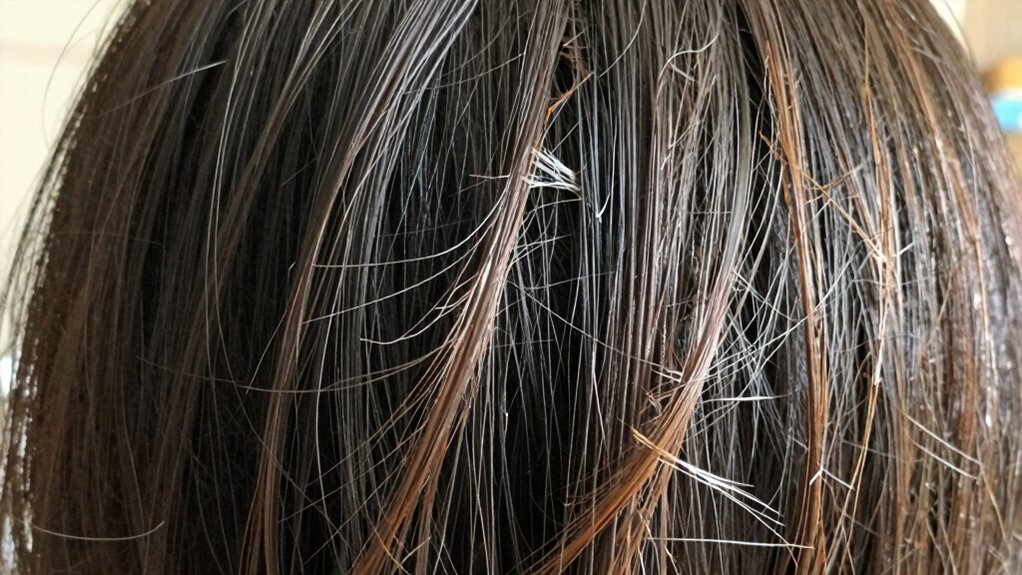
Heat styling can give your hair a sleek, polished look, but it often comes at a cost. The high temperatures from styling tools like straighteners, curling irons, and blow dryers can cause significant damage if you’re not careful. To keep your hair healthy, it’s essential to understand the importance of heat protection and how to use your styling tools wisely. When you’re about to heat style your hair, always start with a heat protectant spray or serum. These products create a barrier between your hair and the intense heat, reducing moisture loss and minimizing damage. Don’t skip this step, even if you’re in a rush — it’s your first line of defense.
Your choice of styling tools also plays a vital role in preventing damage. Look for devices with adjustable temperature settings, so you can control the heat based on your hair type. Fine or damaged hair needs lower temperatures, typically around 250°F to 300°F, while thicker or coarser hair can handle higher heat, up to 375°F. If your tool doesn’t have a temperature dial, stick to the lowest setting or consider investing in one that does. Using the highest heat setting on your styling tools might give you quick results, but it’s often unnecessary and harmful. Consistently exposing your hair to excessive heat makes it brittle, prone to breakage, and causes color fading. Additionally, understanding the temperature thresholds for different hair types can help you prevent irreversible damage and maintain healthy, shiny hair. It’s also helpful to be aware of heat tolerance levels to better tailor your styling routine.
It’s also essential to limit the amount of heat you use daily. Try to avoid styling your hair with heat every day; instead, give your strands a break and opt for heatless styles whenever possible. When you do use heat, keep your styling sessions brief — the longer your hair is exposed to high temperatures, the more damage occurs. Always keep your styling tools moving; holding them in one spot for too long can cause localized damage and hot spots that weaken your hair. Being aware of safe heat levels specific to your hair type can help you further reduce the risk of damage and keep your hair looking its best.
As an affiliate, we earn on qualifying purchases.
Frequently Asked Questions
Can Heat Protectants Fully Prevent Damage?
Heat protectants can’t fully prevent damage, but they considerably reduce it if used correctly. You should also consider natural remedies and protective hairstyles to minimize heat exposure. Applying a protectant creates a barrier, while natural remedies like coconut oil can nourish your hair. Combining these with protective hairstyles keeps hair safe from direct heat. Remember, moderation and proper technique are key to maintaining healthy hair despite heat styling.
How Often Should I Use Heat Styling Tools?
You should limit your styling frequency to minimize heat exposure and prevent damage. Aim to use heat styling tools no more than 2-3 times a week, giving your hair time to recover. Overusing these tools increases the risk of damage, even with heat protectants. Incorporating regular breaks from heat styling helps maintain healthy hair, so listen to your hair’s needs and avoid daily heat exposure whenever possible.
Does Hair Type Affect Heat Damage Susceptibility?
Yes, your hair type affects how susceptible you are to heat damage. If you have high porosity hair, it absorbs moisture quickly and can be more vulnerable to heat, so you should use lower temperatures. Curl patterns also matter; tighter curls tend to be more fragile, requiring gentler heat to prevent damage. Adjust your heat settings based on your hair’s porosity and curl pattern to protect it effectively.
Are Ceramic Tools Safer Than Metal Ones?
Imagine a gentle river flowing smoothly—ceramic tools are like that, offering safer ceramic safety with even heat distribution that minimizes hot spots. Metal tools, however, resemble a rushing stream, risking metal risks like uneven heat and potential damage. You’ll find ceramic tools safer for your hair because they maintain consistent temperature, reducing damage. Metal tools can cause hot spots, increasing your chances of heat styling damage.
What’s the Best Way to Repair Heat-Damaged Hair?
To repair heat-damaged hair, start with deep conditioning treatments to restore moisture and improve elasticity. Use nourishing masks regularly and avoid heat styling tools until your hair recovers. Additionally, trimming damaged ends helps prevent split ends from traveling up the strand. Be patient, and protect your hair with heat protectants when you do style again. These steps will help restore health and reduce further damage over time.
Conclusion
As you reach for your styling tools, remember that each burst of heat is like a gentle breath on a delicate flower—too much, and it risks wilting. By keeping your tools below the recommended temperature, you protect your hair’s natural beauty, allowing it to shine like a well-tended garden. With mindful heat, you’ll nurture vibrant, healthy strands, turning every styling session into a moment of care rather than damage.
Fall Picks
fall essentials
As an affiliate, we earn on qualifying purchases.