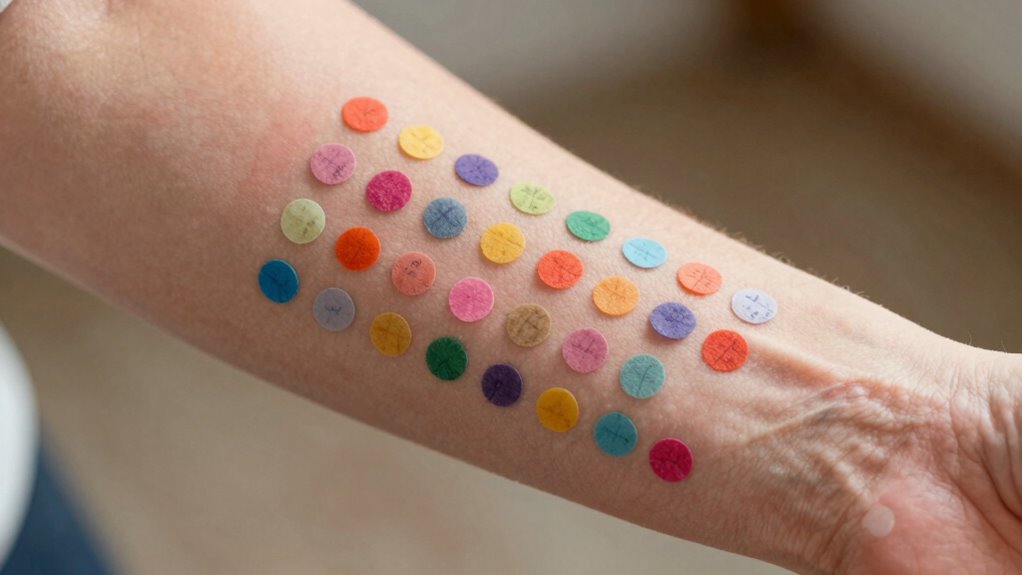

Patch testing, a 48-hour process, helps you identify your skin allergens, preventing future irritation and discomfort. During this test, allergens are applied to your skin and monitored at intervals for reactions. It’s essential for recognizing delayed responses and patterns, allowing you to avoid triggers like nickel, fragrances, or dyes. Investing this short time now can lead to long-term skin comfort. Keep going to discover how this simple habit can transform your skin health and save you from future regret.
Key Takeaways
- Patch testing identifies specific allergens to prevent future skin reactions and long-term regret.
- Staying for the full 48 hours ensures accurate detection of delayed allergic responses.
- Monitoring skin at intervals helps catch hidden sensitivities and avoid overlooked triggers.
- Early allergen identification allows targeted avoidance, reducing skin irritation and discomfort.
- Patient cooperation during the 48-hour period improves test accuracy and long-term skin health outcomes.
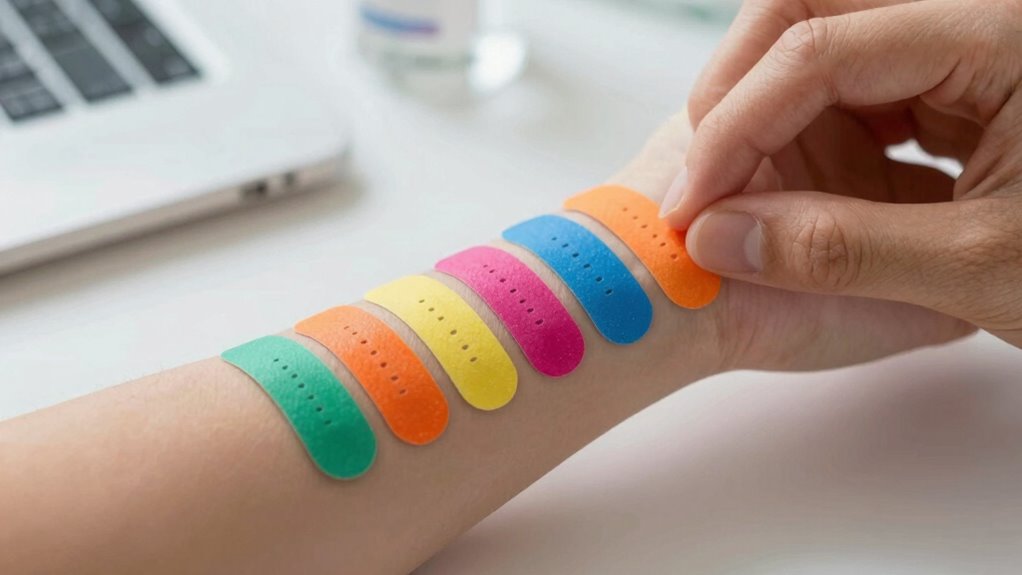
Have you ever wondered how doctors identify what’s causing a skin allergy? The process of allergy identification can be tricky because skin sensitivity varies from person to person, and symptoms often overlap. That’s where patch testing comes in—a simple yet powerful method to pinpoint the exact allergen responsible for your skin reactions. The goal is to uncover the cause before you develop more serious or persistent issues. By dedicating just 48 hours to this test, you can save yourself from future discomfort, unnecessary treatments, or even more severe allergic reactions.
Patch testing helps identify skin allergens quickly, preventing future reactions and ongoing irritation through just 48 hours of testing.
When you undergo a patch test, tiny amounts of potential allergens are applied to your skin, usually on your back or arm, and then covered with small patches. These patches stay in place for about 48 hours, during which your skin’s response is carefully monitored. This process allows your healthcare provider to observe any signs of skin sensitivity, such as redness, swelling, or rash. The key is patience—it’s not enough to check once; the test involves multiple assessments at specific intervals, like after 48 hours and sometimes again after 72 or 96 hours. This ensures that delayed allergic reactions are captured, giving an all-encompassing picture of what might be causing your skin issues. Recognizing delayed reactions is crucial for accurate diagnosis and effective management.
This process is especially important because skin sensitivity can be elusive. You might not notice a reaction immediately, or your symptoms could seem unrelated to any specific exposure. Patch testing offers clarity, helping identify specific substances—like nickel, fragrances, preservatives, or dyes—that trigger your skin’s immune response. Once you know what’s causing your allergy, you can take targeted steps to avoid those allergens, whether that means switching skincare products, clothing, or household items. Understanding skin sensitivity through patch testing can also help you recognize patterns in your reactions, making it easier to prevent future flare-ups.
Additionally, awareness of common allergens can empower you to make more informed choices about products and environments to minimize exposure. Recognizing the importance of proper timing during the testing process ensures that no allergic reactions are missed, which is essential for an accurate diagnosis. The 48-hour patch test isn’t just about diagnosis; it’s about prevention. It empowers you to take control of your skin health before problems escalate. It’s also worth noting that some allergens may only produce reactions after a delay, making the comprehensive assessment all the more critical. Incorporating patient cooperation into the process can significantly improve the accuracy of results, ensuring you receive the right diagnosis. By committing to this brief period of observation, you’re investing in long-term comfort and peace of mind. Think of it as a small, strategic habit that pays off by preventing regret later—like suffering through persistent skin issues or facing unexpected allergic reactions. Ultimately, understanding your skin sensitivity through patch testing can be a game-changer, helping you live more comfortably and confidently, knowing exactly what to avoid and how to care for your skin effectively.

5Strands Food Intolerance & Environmental Sensitivity Test for Adults & Children, 950 Items Tested, Kids Intolerance Testing Kit, at Home Gut Health Assessment, Fast 4 Day Results
UNCOVER FOOD INTOLERANCES & ENVIRONMENTAL SENSITIVITIES CAUSING GUT & SKIN ISSUES. Symptoms like fatigue, acne breakouts, gas, diarrhea,…
As an affiliate, we earn on qualifying purchases.
As an affiliate, we earn on qualifying purchases.
Frequently Asked Questions
How Often Should Patch Testing Be Repeated for Accurate Results?
You should repeat patch testing annually or as recommended by your dermatologist for accurate results. This test frequency helps with allergy monitoring, especially if you’re exposed to new products or environments. Regular testing detects any new allergies early, preventing adverse reactions. Keep track of your symptoms and consult your healthcare provider about the appropriate schedule, ensuring your allergy management stays up-to-date and effective.
Are There Any Risks Associated With Patch Testing?
Think of patch testing as a gentle gatekeeper for your skin’s secrets. Yes, there are risks, like skin sensitivity or allergic reactions, since it’s an allergy confirmation process. You might experience redness, itching, or irritation, but these are usually mild and temporary. By following proper procedures, you minimize risks. Remember, this test helps you avoid bigger allergic surprises later, making it a wise, protective step for your skin’s health.
Can Patch Testing Detect All Types of Allergies?
Patch testing can identify many allergy types, especially contact allergies, but it doesn’t detect all. Testing limitations mean some allergies, like food or airborne sensitivities, might not show up. You should understand that patch tests are most effective for skin-related allergies and may miss systemic reactions. To get thorough results, consult your allergist about additional testing options tailored to your specific symptoms and allergy types.
What Should I Do if I React Negatively During Testing?
If you react negatively during patch testing, inform your healthcare provider immediately. They can help manage any allergy symptoms and address skin irritation promptly. It’s essential to adhere to their guidance for allergy management, which might include removing the allergen or using topical treatments. Don’t ignore skin irritation or adverse reactions, as timely action ensures accurate results and reduces discomfort. Always communicate openly to guarantee safe, effective testing.
Is Patch Testing Suitable for Children or Pregnant Women?
Think of patch testing as a safety net—you want it in place for everyone, especially children and pregnant women. Generally, it’s safe, but children safety and pregnancy considerations mean healthcare providers often customize testing. For kids, gentle methods and careful monitoring are key. During pregnancy, doctors weigh benefits versus risks, ensuring no harm. Always consult your healthcare provider to determine if patch testing suits your situation, prioritizing safety above all.
Practical Patch Testing and Chemical Allergens in Contact Dermatitis
As an affiliate, we earn on qualifying purchases.
As an affiliate, we earn on qualifying purchases.
Conclusion
By committing to patch testing, you’re planting the seeds for a healthier, itch-free future. It’s a simple 48-hour habit that acts as your shield against unexpected allergies, like a lighthouse guiding you safely through foggy waters. Don’t rush the process—patience now prevents regret later. Embrace this small step with confidence, knowing it’s your best defense in the battle against skin surprises. After all, prevention is the gentle rain that keeps your skin thriving.

UCARI Pet Sensitivity Test | Screens for 1000+ Intolerances | Food & Environment Analysis | Painless Home Test Hair Sample Method | Results in 48 Hours | Cats & Dogs
Designed to provide general information about your pet’s daily habits and environment, supporting awareness of routine patterns to…
As an affiliate, we earn on qualifying purchases.
As an affiliate, we earn on qualifying purchases.

EqualDx Comprehensive Food and Environmental Allergy Test for Adults & Kids- Clinical-Grade Accuracy, Cover 95% Food & Inhalant Allergic Reactions, Real Serum Sample, Painless Collection
Comprehensive Allergy Test: This 40-item IgE allergy panel is carefully selected by board-certified allergists to cover the allergens…
As an affiliate, we earn on qualifying purchases.
As an affiliate, we earn on qualifying purchases.