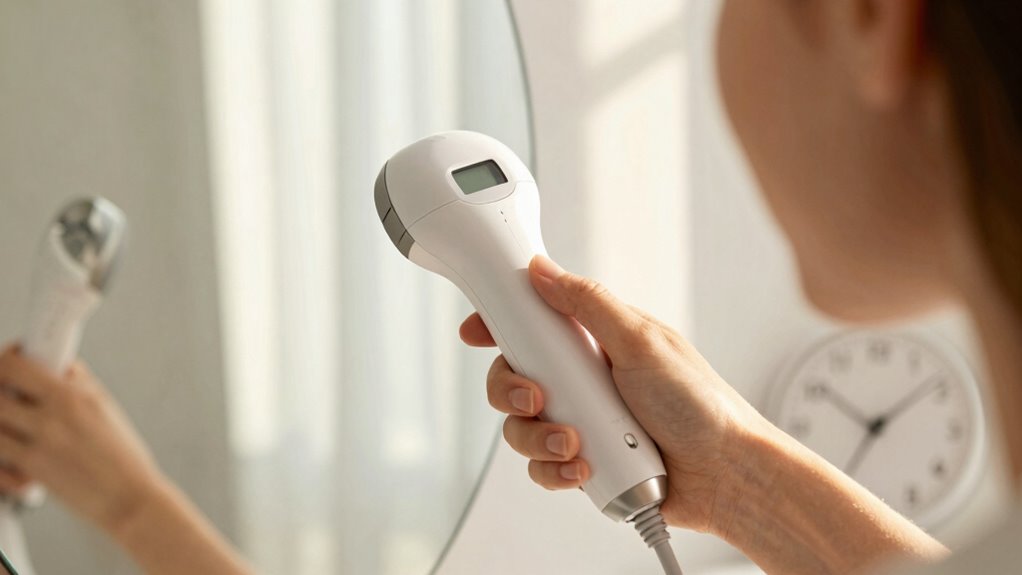

When doing at-home IPL treatments, always consider your skin tone—lighter skin with darker hair gives the best results, but darker skin needs extra caution to prevent irritation. Avoid sun exposure for at least two weeks before and after sessions to reduce the risk of burns and pigmentation issues. Keep treatments spaced every 2 to 4 weeks to target hair in different growth phases. Staying informed helps guarantee safe, effective use, so continue exploring these tips for ideal results.
Listen free for 30 days with Audible
Thousands of audiobooks and originals — cancel anytime.
As an affiliate, we earn on qualifying purchases.
Key Takeaways
- Ensure your skin tone is suitable; lighter skin with darker hair yields best results, while darker skin may require caution.
- Avoid sun exposure for at least two weeks before and after IPL treatments to prevent burns and uneven results.
- Space treatments every 2 to 4 weeks to target different hair growth phases effectively.
- Always perform a patch test to check skin reaction and follow manufacturer guidelines for safety.
- Maintain a consistent skincare routine, including sun protection, to optimize IPL effectiveness and skin health.
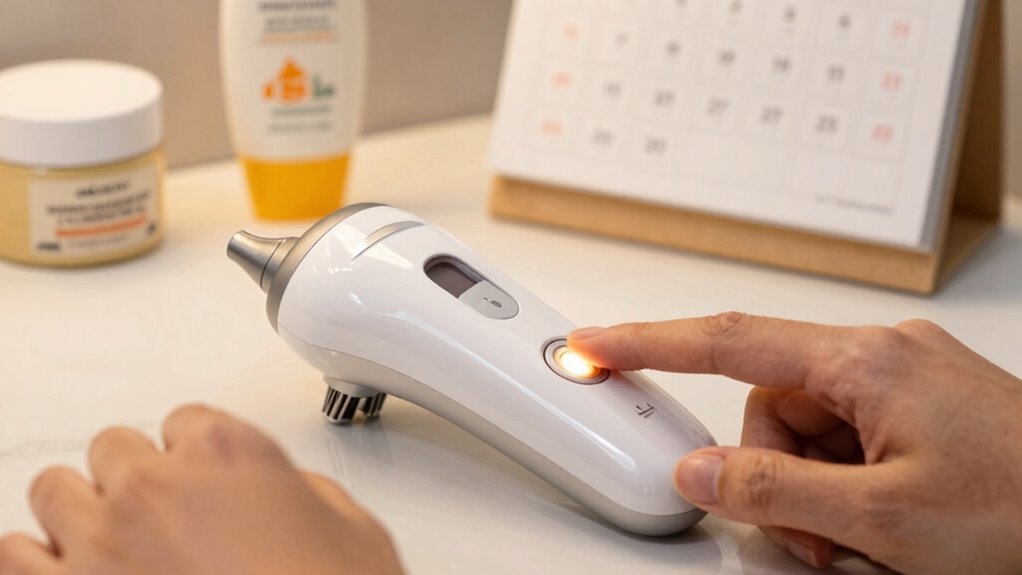
Have you ever wondered if you can achieve salon-quality hair removal without leaving your home? With IPL at home devices, you’re closer than ever to that goal. But to get the best results, understanding how your skin tone, sun exposure, and timing rules fit into your skincare routines is essential. IPL, or intense pulsed light, mimics some aspects of laser therapy but is designed for at-home use. It targets hair follicles beneath the skin, but its effectiveness depends heavily on your skin’s characteristics.
First, your skin tone plays a pivotal role in IPL treatments. These devices work best on lighter skin with darker hair because the light targets pigment in hair follicles. If your skin is darker, there’s a risk of uneven results or skin irritation. Many at-home IPL devices have built-in filters to adapt to different skin tones, but it’s crucial to check your device’s specifications and follow the manufacturer’s recommendations. If you’re unsure about your skin tone, consider doing a patch test first to see how your skin reacts. Remember, laser therapy professionals are trained to assess skin types and tailor treatments accordingly, but at-home IPL should be used with caution. Additionally, skin pigmentation can affect how well IPL treatments work and their safety. Regularly monitoring your skin’s response during treatment can help prevent adverse effects.
IPL works best on lighter skin with darker hair; always check device specs and do a patch test first.
Sun exposure is another significant factor. If you’ve recently been in the sun or have tan lines, your skin absorbs more light, which can lead to burns or pigmentation issues. It’s recommended to avoid direct sun exposure for at least two weeks before and after IPL sessions. Incorporating sun protection into your skincare routines by consistently applying broad-spectrum sunscreen daily is highly beneficial. Protecting your skin from UV rays not only prevents damage but also guarantees your skin is in the best condition for IPL treatments, maximizing their effectiveness.
Timing your treatments appropriately is key. Many experts suggest spacing IPL sessions every two to four weeks, allowing time for hair in different growth phases to be targeted effectively. Consistency is essential—skipping sessions can lead to uneven hair reduction. Also, don’t rush the process; patience ensures your skin remains healthy and your results are ideal. If you’re incorporating IPL into your skincare routines, make sure to remove any makeup, deodorant, or lotions before treatment, and avoid using harsh skincare products beforehand. Proper preparation minimizes adverse reactions and helps your skin recover quickly. Keeping your skincare routine gentle and free of irritants will support optimal results.
As an affiliate, we earn on qualifying purchases.
Frequently Asked Questions
Can IPL Be Used on All Skin Tones Safely?
You can’t safely use IPL on all skin tones. Skin tone considerations are essential because IPL works best on lighter skin and may cause burns or pigmentation issues on darker skin. Always follow sun exposure precautions before and after treatment to prevent complications. If you have darker skin, consult a professional or choose alternative hair removal methods, as IPL might not be safe or effective for your skin tone.
How Long Should I Wait Between IPL Treatments?
Think of your skin as a delicate garden needing time to bloom after each treatment. You should wait about 4 to 6 weeks between IPL treatments, allowing your skin to respond and recover fully. This treatment frequency guarantees your skin isn’t overwhelmed and helps maximize results. Pay close attention to how your skin reacts, and if it’s still sensitive or inflamed, give it a little extra time to heal before your next session.
Is IPL Effective on All Hair Colors?
IPL is most effective on dark, coarse hair, and hair removal myths suggest it works equally on all hair colors, but that’s not true. Blonde, gray, and red hair often respond poorly. To guarantee peak results, you should maintain your IPL device properly. Regular device maintenance prevents malfunctions, making treatments more effective. Keep in mind, IPL isn’t a one-size-fits-all solution, so adjust your expectations based on your hair color.
What Are the Immediate Side Effects of IPL at Home?
Immediately after using IPL at home, you might notice skin redness and slight swelling, which are common side effects. These reactions happen because of laser safety responses and are usually temporary. Be cautious of skin pigmentation changes, especially if your skin is darker or has uneven tone. To reduce risks, follow the device instructions carefully, avoid sun exposure, and monitor your skin’s response to guarantee safe, effective results.
Can I Use IPL on Sensitive or Irritated Skin?
You should avoid using IPL on sensitive or irritated skin, as it can worsen reactions or cause skin allergy. If your skin feels inflamed or has open wounds, wait until it fully heals before treating. To protect yourself, apply a skin cooling gel before and after the session. Always perform a patch test first and consult a professional if you’re unsure, ensuring your skin’s safety and health.
Conclusion
By following the proper skin tone, sun exposure, and timing rules, you can safely enjoy IPL treatments at home. Imagine someone like Sarah, who started treatment in winter and noticed smoother skin by spring, all while avoiding sun damage. With patience and adherence to guidelines, you’ll achieve your desired results without risking burns or uneven pigmentation. Trust the process, stay consistent, and celebrate your journey toward radiant, healthier skin right from your own home.
NFL season / tailgating Picks
team gear
As an affiliate, we earn on qualifying purchases.