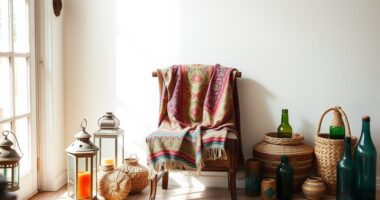
To embrace sustainable boho fashion, choose eco-friendly fabrics like organic cotton, linen, hemp, and bamboo, which are biodegradable, durable, and reduce environmental impact. Support brands that prioritize transparency, fair trade, and use recycled or natural materials. Incorporate vintage or upcycled pieces and opt for artisanal items made with eco-conscious techniques. Focusing on quality, versatility, and timeless styles helps build a sustainable wardrobe you’ll love. If you want to discover more eco-friendly brands and style tips, keep exploring.
Key Takeaways
- Sustainable boho fashion emphasizes eco-friendly fabrics like organic cotton, linen, hemp, bamboo, and Tencel, which are biodegradable and renewable.
- Brands such as Reformation, People Tree, Spell & The Gypsy, and Tulle & Batiste prioritize ethical sourcing, transparency, and eco-conscious manufacturing.
- Vintage and upcycled boho pieces reduce waste, support craftsmanship, and add unique character to a sustainable wardrobe.
- Ethical brands often hold certifications like GOTS, Fair Trade, and B Corporation, ensuring responsible supply chains and fair wages.
- Building a versatile wardrobe with high-quality, natural fabrics promotes long-lasting style aligned with eco-friendly fashion principles.
Embracing Natural and Organic Fabrics for a Sustainable Wardrobe

Choosing natural and organic fabrics is a powerful way to make your wardrobe more sustainable. Organic fabrics like organic cotton, linen, hemp, bamboo, and Tencel are biodegradable and renewable, helping reduce environmental impact. When you opt for eco-friendly clothing made from natural fabrics, you support sustainable fashion and lessen chemical use and water consumption. Organic cotton grows without synthetic pesticides or fertilizers, offering a soft, breathable fabric that minimizes pollution. Linen, made from flax, needs much less water and land, perfect for warm-weather boho styles. Hemp is highly sustainable, requiring minimal water and no pesticides. Bamboo, when processed responsibly, is fast-growing, biodegradable, and moisture-wicking. Incorporating sustainable textile practices into your wardrobe choices further enhances your eco-friendly lifestyle and supports brands that prioritize environmental health. Choosing these fabrics aligns you with eco-conscious practices and ethical brands committed to sustainability, which can also foster a sense of personal empowerment through conscious consumer choices.
Top Brands Leading the Way in Ethical Bohemian Fashion

Several brands stand out for leading the way in ethical bohemian fashion, combining sustainability with distinctive style. Reformation is a top name, known for using eco-friendly materials like organic cotton, hemp, and recycled fabrics, and achieving certified carbon neutrality. People Tree pioneers ethical fashion by producing boho styles from GOTS-certified organic cotton and practicing fair trade, ensuring a transparent supply chain. Spell & The Gypsy focuses on slow fashion with high-quality, sustainable fabrics such as recycled cotton and regenerated wood pulp rayon, promoting longevity. Bali-based Tulle & Batiste emphasizes local production, supporting artisanal craftsmanship with eco-friendly rayon and transparent manufacturing processes. Brands like Arnhem Clothing and Reve en Vert prioritize eco-friendly packaging, fair wages, and sustainable fabrics like Tencel, organic cotton, and FSC-certified materials. Additionally, many of these brands incorporate sustainable fabrics into their collections, emphasizing eco-conscious sourcing and manufacturing practices. Incorporating sustainable manufacturing practices is crucial for reducing the environmental impact of fashion and aligning with the principles of eco-friendly fashion.
Furthermore, the integration of supply chain transparency helps consumers make informed choices about the origins and ethical standards of their clothing.
The Benefits of Choosing Upcycled and Vintage Boho Pieces

Choosing upcycled and vintage boho pieces gives your wardrobe a unique character that stands out. These items help reduce textile waste and pollution by giving new life to old garments. Plus, they often come at a more affordable price, making sustainable style both accessible and stylish. Incorporating eco-friendly materials into your wardrobe aligns with broader sustainable living practices, similar to eco-conscious building choices in tiny house design. Embracing reclaimed fabrics not only enhances your style but also supports environmentally responsible fashion practices. Additionally, selecting garments made from natural fibers can improve comfort and durability while further reducing environmental impact. Understanding sustainable fashion principles can guide you in making more eco-conscious clothing choices. Moreover, being aware of potential regulatory challenges in the fashion industry can help you stay informed about the most ethical and compliant brands.
Unique Style and Character
Have you ever noticed how upcycled and vintage boho pieces stand out with their distinct charm? These items showcase craftsmanship and intricate details that mass-produced clothes can’t match, giving you a truly one-of-a-kind look. Choosing vintage and upcycled pieces adds individuality and character to your wardrobe, reflecting your eco-conscious style. Each vintage garment has a story, and upcycled items transform old fabrics into stylish, unique creations, minimizing environmental impact. These pieces are often more affordable, making sustainable fashion accessible without sacrificing style. When you wear vintage or upcycled boho fashion, you embrace a personal, authentic vibe that highlights your uniqueness. It’s about expressing yourself through character-rich clothing while supporting a more sustainable, eco-friendly approach to fashion.
Reduces Waste and Pollution
By incorporating vintage and upcycled boho pieces into your wardrobe, you actively help reduce textile waste and minimize environmental harm. These choices promote the use of recycled materials and upcycling, giving old garments a new purpose and extending their life. This low-waste approach reduces the demand for fast fashion, which is responsible for over 10 million tons of textile waste annually and contributes profoundly to pollution. Vintage boho items often feature durable craftsmanship and unique details, decreasing the need for frequent replacements. By opting for sustainable fabrics and second-hand pieces, you lower the environmental impact associated with clothing production, including water pollution and carbon emissions. Incorporating tea accessories and merchandise into your lifestyle can also support eco-friendly practices and reduce waste associated with disposable items. Embracing creative thinking and mindful consumption can amplify your positive impact on the environment. Additionally, choosing items from brands committed to sustainable production practices ensures that your fashion choices support ethical and environmentally responsible manufacturing. Understanding the importance of environmental impact can further guide you in making more eco-conscious decisions. Your conscious choices make a lasting difference in supporting a more sustainable, eco-friendly fashion industry, especially when considering the importance of environmentally responsible practices.
Understanding Fair Trade and Supply Chain Transparency in Eco-Fashion

Ever wonder how you can tell if a fashion brand truly practices sustainability? It starts with understanding fair trade and supply chain transparency. When brands are open about their sourcing and manufacturing, you can see if they prioritize ethical manufacturing, fair wages, and sustainable materials. Look for labels like Fair Trade and GOTS, which verify safe working conditions and eco-friendly practices. Brands with transparent supply chains disclose where their materials come from and how they’re produced, giving you confidence that ethical standards are met. Supporting companies with clear sourcing info ensures they uphold fair wages and environmentally responsible methods. B Corporation certification is another sign of a brand’s commitment to social and environmental accountability. Overall, transparency helps you make informed choices aligned with your values. Additionally, paying attention to supply chain transparency allows consumers to verify that every step from raw material to finished product adheres to ethical and sustainability standards. Recognizing ethical sourcing practices can further guide you in choosing brands that genuinely prioritize sustainability. Understanding AI ethics in supply chains can also help assess how brands address ethical concerns in their sourcing and manufacturing. Being aware of brand transparency enables consumers to support truly sustainable fashion companies.
Building a Timeless Boho Style With Quality and Versatility

Creating a timeless boho style starts with choosing high-quality, versatile pieces crafted from natural, sustainable fabrics like organic cotton, linen, or hemp. These organic fabrics guarantee your wardrobe remains durable and eco-friendly, embodying the principles of sustainable boho fashion and slow fashion. Focus on staples such as maxi dresses and wide-legged pants that can be styled for multiple occasions, reducing the need for constant updates. Opt for neutral tones and subtle prints to maximize versatility. Incorporate layered pieces like cardigans and ponchos made from sustainable materials to add depth and adaptability. Prioritizing brands committed to ethical clothing and sustainable practices helps you build a versatile wardrobe that stays stylish and relevant over time, minimizing environmental impact while expressing your authentic boho vibe. Utilizing sustainable fabrics further ensures your fashion choices support eco-friendly practices and long-lasting quality. Additionally, being aware of cookie preferences and privacy policies when shopping online can help you make more informed decisions about your digital footprint and data security. Embracing the importance of certifications and eco-labels can also guide you toward truly sustainable fashion brands committed to environmentally responsible production. Incorporating personality insights can help tailor your wardrobe choices to match your individual style and personality traits, enhancing your overall confidence and authenticity. Exploring sustainable sourcing can deepen your understanding of the ethical practices behind your favorite brands.
How Sustainable Fabrics Impact the Environment and Your Style

Choosing sustainable fabrics reduces water use and minimizes chemical pollution, helping protect the environment. These eco-friendly materials, like biodegradable hemp and bamboo, break down naturally and lessen landfill waste. By opting for these fabrics, you can style yourself beautifully while making a positive environmental impact. Additionally, using renewable sources such as hydrogen produced from renewable energy can further decrease reliance on fossil fuels and lower overall pollution. Incorporating sustainable manufacturing practices into your wardrobe choices ensures that your fashion footprint remains minimal from production to disposal.
Reduced Water Usage
Sustainable fabrics like Tencel, hemp, and organic cotton use up to 90% less water during production than conventional textiles, making them a more eco-friendly choice. By choosing water-efficient fabrics, you help conserve water and reduce the fashion industry’s massive water footprint, which exceeds 79 billion cubic meters annually. Brands that utilize low-impact dying techniques and closed-loop water systems further cut water consumption, enhancing water conservation efforts. Imagine wearing a boho-inspired outfit made from fabrics that require minimal water, contributing to a healthier planet. You can support environmental efforts by opting for garments crafted with sustainable fabrics and eco-friendly textiles. This simple choice promotes water conservation and fosters a more responsible, stylish approach to fashion.
Biodegradable and Eco-Friendly
Ever wondered how eco-friendly fabrics make a difference beyond just looking good? Biodegradable fabrics like organic cotton, hemp, and bamboo naturally decompose, reducing landfill waste and pollution. Using sustainable materials minimizes resource use, like water and pesticides, during production. These eco-friendly textiles also prevent microplastics and harmful chemicals from entering ecosystems, protecting wildlife and water quality. Fabrics made from renewable resources promote a circular economy, encouraging recycling and upcycling. Here’s how these fabrics contribute:
| Benefit | Impact |
|---|---|
| Biodegradable fabrics | Decompose naturally, reducing waste |
| Eco-friendly textiles | Minimize ecological footprint during production |
| Organic cotton | Uses fewer pesticides, conserving resources |
| Circular economy | Supports recycling and upcycling |
| Reduces microplastics | Prevents pollution in water ecosystems |
Choosing these fabrics allows you to stay stylish while supporting environmental health.
Spotlight on Eco-Friendly Materials: Linen, Hemp, Bamboo, and More

Eco-friendly materials like linen, hemp, and bamboo are transforming boho fashion by offering stylish, sustainable options. These sustainable fabrics are not only eco-conscious but also versatile and durable. Organic linen made from flax requires less water and pesticides than cotton, making it a top choice for slow fashion brands. Eco-friendly hemp is drought-resistant and grows quickly without synthetic chemicals, reducing environmental impact. Bamboo fabric, derived from rapidly renewable bamboo grass, is biodegradable, moisture-wicking, and produced with minimal chemicals. Imagine:
- Soft, breathable garments crafted from organic linen and bamboo fabric
- Clothing that’s both stylish and eco-friendly, supporting slow fashion principles
- Textiles that naturally decompose, reducing waste and environmental footprint
Supporting Local and Distant Artisans With Responsible Fashion Choices

Have you considered how supporting local and distant artisans can make a meaningful difference in responsible fashion? When you purchase handmade boho pieces crafted with natural fabrics like organic cotton, hemp, or linen, you help reduce environmental impact and strengthen community economies. Buying from distant artisans through fair trade platforms ensures ethical wages, safe working conditions, and the preservation of traditional craftsmanship, promoting sustainable fashion. Many artisanal brands use eco-friendly dyeing techniques and biodegradable materials, minimizing chemical runoff and waste. Handcrafted accessories like woven bags, jewelry, and embroidered garments often feature natural fibers and dyes, supporting responsible sourcing. By choosing responsibly made artisanal pieces, you help sustain small-scale production, reduce reliance on fast fashion, and promote cultural preservation through ethical and environmentally conscious craftsmanship.
Curating a Capsule Wardrobe: Essential Sustainable Boho Staples

Are you ready to build a sustainable boho wardrobe that’s both versatile and timeless? Focus on investing in high-quality, adaptable pieces made from sustainable fabrics like organic cotton, linen, or hemp. These versatile pieces include maxi dresses, wide-legged pants, and classic tops that can be styled in multiple ways for different occasions. Stick to neutral tones and subtle prints to maximize outfit combinations and guarantee your wardrobe remains relevant beyond seasonal trends. Incorporate sustainable accessories such as woven bags and jewelry crafted from recycled or ethically sourced materials to elevate your look. Choose brands certified by GOTS, Fair Trade, or B Corp to assure your wardrobe aligns with ethical production standards. Building your capsule wardrobe this way keeps your eco-friendly fashion choices impactful and stylish.
Frequently Asked Questions
What Is the Most Sustainable and Eco-Friendly Fabric?
When you ask about the most sustainable and eco-friendly fabric, you’ll find that hemp stands out. It grows quickly, needs minimal water, and doesn’t require pesticides. Plus, it regenerates rapidly, making it a top choice for eco-conscious choices. Hemp’s durability and low environmental impact mean you can wear it confidently, knowing you’re supporting a fabric that benefits the planet.
What Is the Most Eco-Friendly Fashion Brand?
You might find it surprising, but the most eco-friendly fashion brand is Reformation. They use sustainable fabrics, eco-conscious dyeing, and aim for carbon-neutral operations. As you explore greener options, Reformation’s commitment aligns with your values, making it easier to shop consciously. Their focus on eco-friendly practices shows that style and sustainability can go hand in hand, helping you look good while caring for the planet.
What Are the Best Boho Brands?
When you’re looking for the best boho brands, focus on those that prioritize sustainability. Brands like Spell & The Gypsy, Amour Vert, and Reformation use eco-friendly fabrics like organic cotton, hemp, and recycled materials. You’ll also find vintage and upcycled options on platforms like Depop and Etsy. These brands emphasize ethical production, timeless styles, and natural fabrics, helping you stay stylish while reducing your environmental impact.
Which Luxury Brands Are the Most Sustainable?
You might wonder which luxury brands are truly sustainable. Brands like Stella McCartney lead the way with organic and recycled fabrics, proving eco-consciousness can be luxurious. Gucci has made notable progress with recycled nylon and eco-friendly dyes, while Prada aims for full carbon neutrality by 2050. Gabriela Hearst emphasizes eco-friendly materials and holds B Corp certification. These brands show that high-end fashion can prioritize sustainability without compromising style.
Conclusion
By choosing eco-friendly fabrics and supporting ethical brands, you create a stylish wardrobe that’s kind to the planet. Imagine swapping out fast fashion for a handcrafted hemp dress from a fair-trade brand—it’s a small change with a big impact. Every conscious purchase, like vintage boho accessories or upcycled pieces, helps reduce waste and supports artisans worldwide. Embrace sustainable boho fashion and let your style reflect your values and love for the Earth.