To avoid bubbles and peeling with peel-and-stick wallpaper, make sure to prepare your wall thoroughly by cleaning and smoothing the surface before application. Work in manageable sections, smoothing out air pockets as you go with a tool or credit card from the center outward. Don’t rush the process, and if bubbles appear, gently puncture them with a pin and smooth them out. Using high-quality adhesive and proper techniques helps the wallpaper stick longer — more tips are just ahead.

Get your wardrobe favorites delivered free — and shop member deals
- Fast, free delivery on millions of items
- Access to Prime Big Deal Days deals on October 6–7
- Prime Video, Amazon Music and more included
Key Takeaways
- Properly clean and dry the wall surface to ensure optimal adhesion before application.
- Work in small sections, smoothing the wallpaper from center outward to prevent air pockets.
- Use a smoothing tool or credit card to eliminate bubbles during installation.
- Avoid stretching or pulling the wallpaper to maintain even adhesion and prevent peeling.
- Address bubbles immediately by puncturing and smoothing, and reapply larger sections if needed.
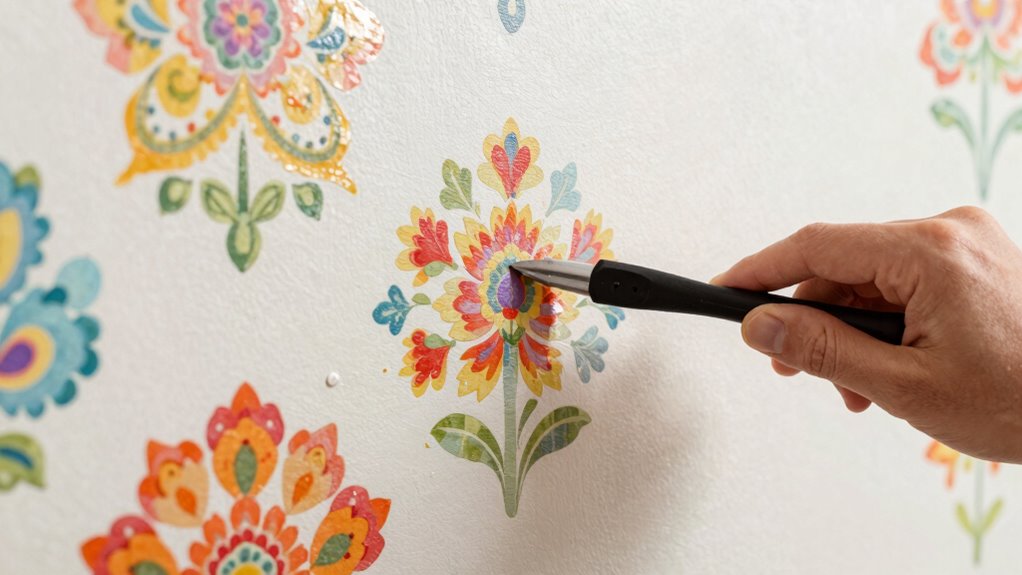
Have you ever wished to update your space without the hassle of traditional wallpaper? Peel-and-stick wallpaper offers a perfect solution, especially because of its removable options and design versatility. Unlike conventional wallpaper, it’s easy to apply and remove, making it ideal for temporary updates or those hesitant to commit to a permanent design. This flexibility means you can experiment with different patterns, colors, and textures without worry, giving you the freedom to change your space whenever inspiration strikes.
However, even with its many advantages, peel-and-stick wallpaper can sometimes develop bubbles or peel away if not installed correctly. To keep your walls looking flawless, preparation is key. Start by cleaning the surface thoroughly to remove dust, grease, and imperfections, ensuring the adhesive sticks properly. Using a mild soap and water solution or rubbing alcohol can help create a smooth, clean canvas. Once the surface is dry, it’s helpful to lightly sand any rough patches or bumps, which can prevent air pockets or bubbles from forming during application. Proper surface preparation is essential for achieving a seamless finish. Additionally, choosing high-quality adhesive products can make a significant difference in the durability of your wallpaper.
When it’s time to apply the wallpaper, work in manageable sections. Peel back a small portion of the backing and align the top edge of the wallpaper with your starting point. Use a smoothing tool or a credit card to press the paper onto the wall, working from the center outward. This technique helps push out air bubbles and excess adhesive, minimizing the chance of bubbles forming. As you peel back the backing, continue smoothing the paper down, making sure to keep it taut but not stretched tight. Be patient and take your time—rushing can lead to uneven application or trapped air. Incorporating proper technique during installation can greatly improve your results and reduce the need for repairs later.
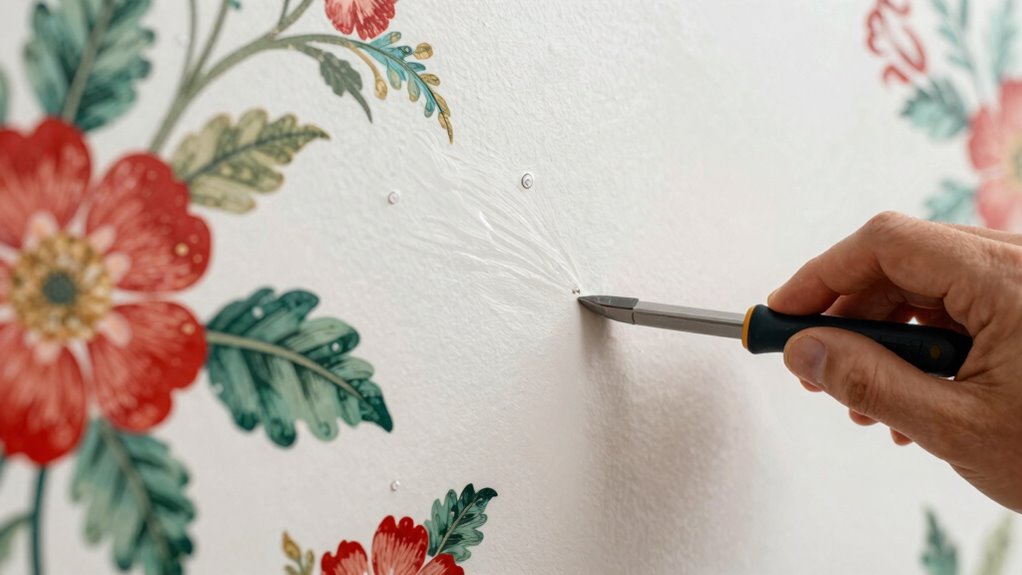
If you notice bubbles forming, don’t panic. Use a pin or a sharp needle to carefully puncture the bubble and then smooth the air out with your fingers or a smoothing tool. For larger bubbles, lifting the wallpaper gently and reapplying it can often solve the issue, especially if you catch it early. To prevent peeling at the edges over time, press firmly along the perimeter after application, and consider running a utility knife along the edges to trim any excess. Additionally, understanding the importance of proper surface preparation can greatly influence the longevity and appearance of your wallpaper. Being aware of adhesive quality can also help ensure your wallpaper stays in place longer, avoiding common issues like peeling or bubbling.
In the end, securing your peel-and-stick wallpaper properly ensures long-lasting results and maintains that sleek, bubble-free appearance. With patience and a bit of practice, you’ll enjoy a beautifully transformed space that showcases the full potential of its design versatility.
peel and stick wallpaper smoothing tool
As an affiliate, we earn on qualifying purchases.
As an affiliate, we earn on qualifying purchases.
Frequently Asked Questions
Can Peel-And-Stick Wallpaper Be Removed Without Damage?
Yes, you can remove peel-and-stick wallpaper without damage if you do it carefully. For temporary decoration, gently peel from a corner or edge, pulling slowly to avoid tearing. To safeguard your wall, avoid ripping it off quickly. Using a hairdryer on low heat can loosen the adhesive, making removal easier. Taking your time ensures your wall remains intact and ready for future decorating or wall protection.
How Long Does Peel-And-Stick Wallpaper Typically Last?
You can expect peel-and-stick wallpaper to last around 3 to 5 years, depending on factors like design patterns and installation tools used. If you choose high-quality wallpaper and proper tools, it’ll stay intact longer. Proper installation is key—smooth out bubbles and avoid stretching during application. Regular cleaning and avoiding excessive moisture also help prolong its lifespan, ensuring your design patterns stay vibrant and damage-free for years to come.
Is Peel-And-Stick Wallpaper Safe for Painted Walls?
Think of peel-and-stick wallpaper as a delicate dance partner; it can be safe for painted walls if you prepare well. You should guarantee proper wall preparation—clean, dry, and smooth—before applying. Use wallpaper adhesives that are gentle and designed for painted surfaces. This minimizes damage and peeling. Always test a small area first to avoid surprises, and follow manufacturer instructions for the safest, most secure attachment.
Can Peel-And-Stick Wallpaper Be Repositioned After Application?
Yes, you can usually reposition peel-and-stick wallpaper after applying it, thanks to its moderate adhesive strength. To do this effectively, gently lift the wallpaper from one edge, avoiding tearing, and use repositioning techniques like smoothing out air bubbles as you go. Be patient and work slowly to prevent damage. Remember, some wallpapers are more forgiving than others, so check the manufacturer’s instructions before attempting to reposition.
What Are the Best Cleaning Methods for Peel-And-Stick Wallpaper?
You should use gentle cleaning solutions like mild soap and water to clean peel-and-stick wallpaper. Avoid harsh chemicals that can damage the adhesive. Before cleaning, guarantee surface preparation by removing dust, dirt, and grease with a soft cloth or sponge. Lightly wipe the wallpaper, taking care not to scrub or soak it, which might cause bubbling or peeling. Regular cleaning maintains the wallpaper’s appearance and adhesive strength.
Conclusion
With a little patience and care, you can transform your space into a smooth, vibrant haven. Picture your walls effortlessly cloaked in perfect, bubble-free wallpaper, catching the light just right, inviting warmth and personality. Every bubble smoothed out, every edge pressed down, brings a sense of accomplishment and pride. Soon, your walls will tell a story of creativity and effort—an inviting backdrop where memories unfold. You’ve got this; your beautiful, flawless space is just a peel away.
Fall Picks
fall essentials
As an affiliate, we earn on qualifying purchases.