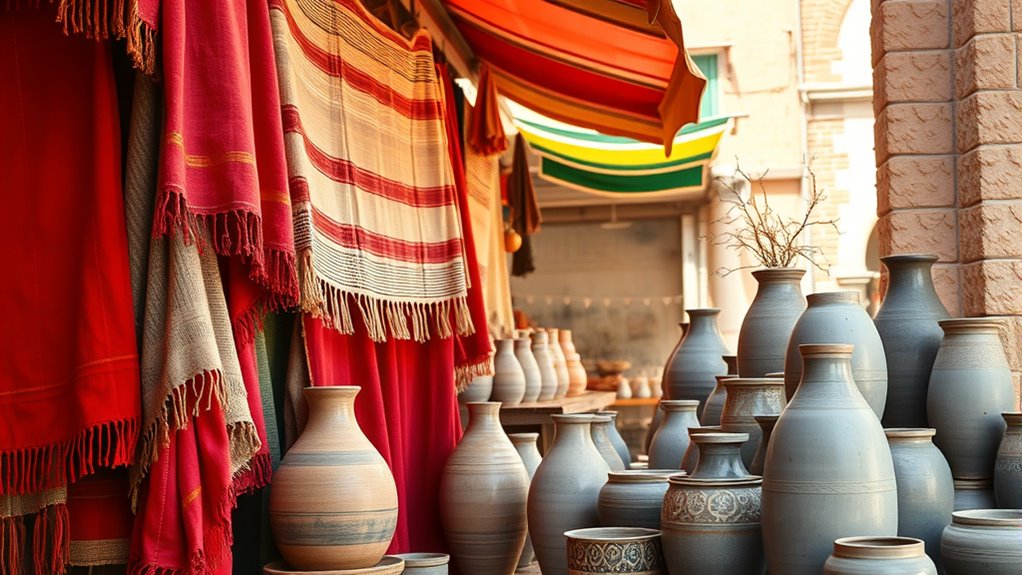

By combining vibrant Moroccan reds with calming Nordic neutrals, you can create dynamic, culturally rich palettes that evoke emotion and balance. Use warm, deep reds to add energy and passion, while soft greys, cool beiges, and icy blues bring tranquility and sophistication. Blending these influences helps craft modern designs that feel both exotic and serene. Stay inspired by exploring how these contrasting colors can work together to elevate your projects, and there’s more to discover ahead.
Key Takeaways
- Combine vibrant Moroccan reds with calming Nordic neutrals for a balanced, globally inspired color palette.
- Use earthy reds to evoke warmth and exoticism, paired with soft greys and beiges for modern sophistication.
- Incorporate cultural influences to create authentic accents within minimalist Nordic-inspired designs.
- Apply color psychology to ensure the palette evokes warmth, tranquility, and emotional harmony.
- Forecast trends by blending bold hues with subdued neutrals, aligning with current global style movements.
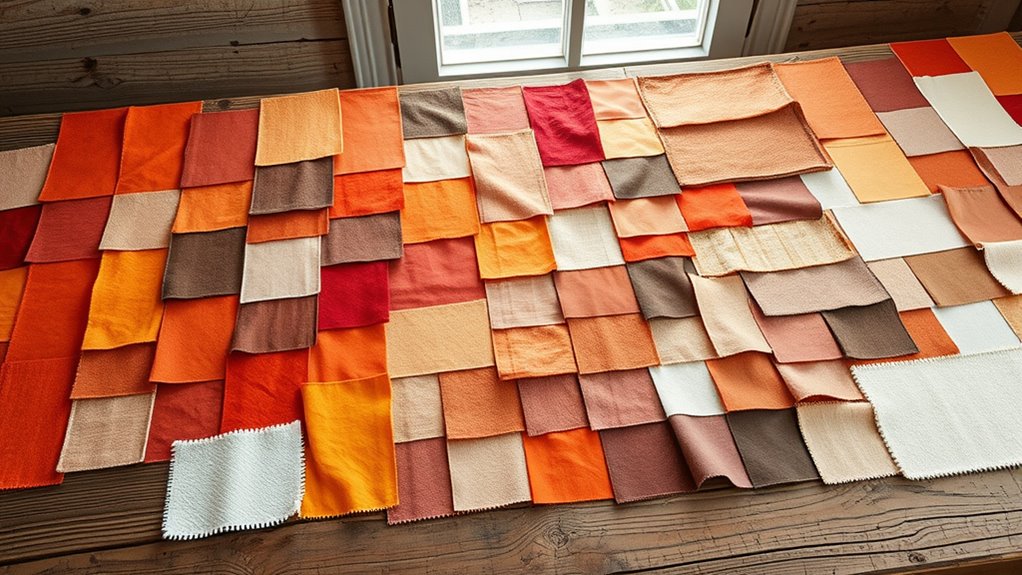
Color Palettes
Color Palettes
Have you ever wondered how designers choose the perfect colors for a project? It’s a nuanced process that combines an understanding of color harmony with the latest insights from trend forecasting. When selecting a palette, designers don’t just pick colors randomly; they analyze how colors interact and evoke emotions, ensuring that every hue complements the others and creates a cohesive visual story. Color harmony is essential because it helps balance contrasting shades and creates pleasing combinations that draw viewers in. Whether it’s complementary, analogous, or monochromatic schemes, understanding these relationships guides designers toward palettes that feel intentional and harmonious. Additionally, understanding color schemes can enhance the overall impact and coherence of a design. Trend forecasting plays a pivotal role in shaping these color choices. It involves predicting upcoming styles, cultural shifts, and consumer preferences, giving designers a glimpse into what’s likely to resonate in the near future. For example, if trend forecasting suggests a rise in earthy tones, designers might incorporate warm reds, sandy beiges, or muted greens into their palettes to stay current and relevant. This proactive approach ensures that color choices are aligned with the zeitgeist, making designs feel fresh and modern rather than outdated. Global color palettes draw inspiration from diverse cultural and geographical influences, offering a rich tapestry of options. Think of Moroccan reds—deep, vibrant hues that evoke warmth, passion, and a touch of exoticism. These reds often feature in traditional textiles and architecture, and their boldness can energize any space or product. In contrast, Nordic neutrals lean toward understated, calming shades like soft grays, cool beiges, and icy blues. These colors reflect Scandinavian minimalism and a preference for simplicity, functionality, and tranquility. By blending these palettes, designers create contrasting yet harmonious environments—dynamic and lively with Moroccan reds, peaceful and serene with Nordic neutrals. Understanding how these palettes fit into current trends allows you to craft designs that feel both culturally rich and contemporary. For instance, using Moroccan reds as accent colors in a minimalist Nordic-inspired space can add vibrancy without overwhelming the calm aesthetic. Conversely, incorporating Nordic neutrals into a Moroccan-inspired design can temper the intensity of bold reds and create a balanced look. Trend forecasting helps you anticipate these combinations, ensuring your work feels fresh and aligned with global movements. Moreover, awareness of cultural influences can inspire more authentic and meaningful color choices that resonate with diverse audiences. Recognizing the psychological effects of colors can also help in selecting palettes that evoke the desired emotional response. Additionally, understanding color psychology can guide designers in creating atmospheres that influence mood and behavior. In essence, choosing a color palette is an art that combines an eye for harmony with an awareness of trends. It’s about selecting colors that not only look good together but also tell a story that resonates with current cultural currents and future directions. By staying attuned to these elements, you can confidently craft designs that are both visually appealing and culturally meaningful, reflecting a truly global perspective.
Frequently Asked Questions
How Do Cultural Influences Shape Regional Color Preferences?
You see how cultural influences shape regional color preferences through cultural symbolism and regional aesthetics. These elements reflect a community’s history, beliefs, and environment, guiding their choice of colors in art, fashion, and design. By understanding these cultural cues, you can appreciate why certain hues evoke specific emotions or traditions in different regions, creating a visual language that’s deeply rooted in local identity and heritage.
Can Color Palettes Be Adapted for Different Seasons?
Think of color palettes as chameleons, changing with the seasons. You can easily adapt your colors by following seasonal color trends and using adaptive palette strategies. Lighter, brighter shades work in spring and summer, while deeper, warmer tones suit fall and winter. By tweaking your palette, you stay current and fresh year-round, making your space or design feel like it’s in harmony with nature’s ever-changing mood.
What Are the Psychological Effects of These Color Choices?
You might wonder about the psychological effects of color choices. Concerning color psychology, warm hues like Moroccan Reds can evoke feelings of passion and energy, boosting motivation. Cooler tones such as Nordic Neutrals promote calmness and relaxation, reducing stress. Your emotional impact depends on how you use these colors; they can influence your mood and behavior, making thoughtful color selection essential for creating the desired environment.
How Do Lighting Conditions Affect Color Perception?
Lighting conditions, like color temperature and ambient lighting, markedly influence how you perceive colors. Warmer light makes colors appear richer and more inviting, while cooler light can make them seem more subdued or sterile. Bright, natural light enhances true color perception, whereas dim or artificial lighting can distort hues. So, pay attention to your lighting environment, as it shapes your overall impression of the colors around you.
Are There Sustainable Ways to Incorporate These Palettes?
Did you know that using eco-friendly paints can reduce indoor air pollution by up to 50%? To incorporate these palettes sustainably, opt for paints with sustainable sourcing and low VOCs. You can also choose brands committed to eco-friendly practices, ensuring your color choices support environmental health. This way, you enjoy beautiful, culturally rich colors while minimizing your ecological footprint. Sustainable options make your space both stylish and planet-friendly.
Conclusion
Explore the world through color, from the vibrant reds of Morocco to the soothing neutrals of Scandinavia. Embrace the diversity, find inspiration, and let each palette tell its story. Whether you seek boldness or calm, let these colors shape your space, spark your creativity, and reflect your unique style. Immerse yourself in these palettes, discover new possibilities, and make your environment as vibrant and balanced as the cultures they represent. Your perfect color journey awaits.