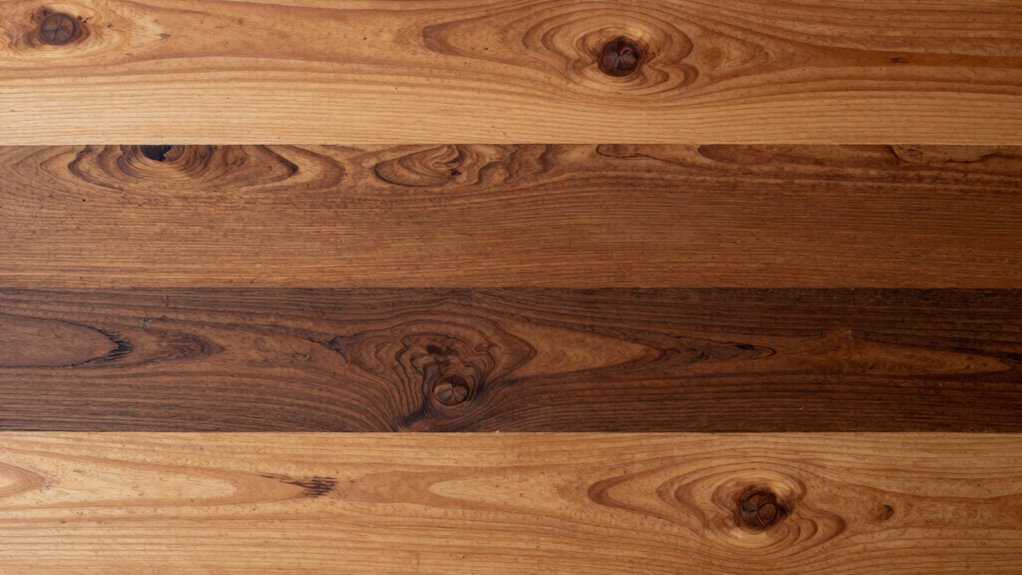

The boho “bridge color” method helps you confidently mix wood tones by using a mid-tone wood as a natural link. This creates a visual flow that softens contrasts between rustic and modern pieces, making your space feel balanced and curated. Incorporate different textures and grain patterns to add interest and prevent flatness. Strategic furniture placement and accessories keep the look cohesive. Keep exploring to discover how this approach can transform your interiors with style and character.

Get your wardrobe favorites delivered free with Prime
- Fast, free delivery on millions of items
- Prime Video, Amazon Music and more included
- Member-only deals all year
Key Takeaways
- Use mid-tone wood as a transitional element to create a visual link between different wood tones.
- Incorporate varied textures and grain patterns to add depth and prevent flatness in mixed wood environments.
- Ensure visual flow by strategically placing larger furniture pieces in bridging tones for cohesive design.
- Recognize current trends to select stylish wood combinations that enhance overall harmony.
- Layer accessories and decor in complementary shades to unify diverse wood tones effortlessly.

When you use the bridge color technique, you’re essentially creating a visual link that guides the eye naturally from one wood tone to another. For example, pairing a dark, rich wood with a lighter, honey-colored one can sometimes feel disjointed. Instead, you introduce a mid-tone wood—like a walnut or warm oak—as the bridge. This middle tone acts as a transitional element, softening the contrast between rustic charm and sleek, modern pieces. The result is a balanced, curated look that feels intentional rather than accidental.
Using a mid-tone wood as a bridge creates a cohesive, balanced look between rustic and modern styles.
In your effort to mix wood tones, keep in mind that textures matter as much as color. Incorporate different grain patterns and finishes—matte, gloss, or distressed—to add visual interest and prevent the room from feeling flat. The boho “bridge color” method works well because it encourages layering and blending of textures, which enhances both rustic and modern elements. The diversity of wood textures helps these diverse textures coexist without clashing, creating a space that feels both warm and sophisticated. Paying attention to visual flow ensures the overall design feels harmonious rather than fragmented. Recognizing how industry trends influence popular wood combinations can help you select pieces that feel current and stylish. Understanding design harmony can lead to more cohesive and inviting interiors. Additionally, being aware of color coordination principles will further enhance your ability to blend different wood tones seamlessly.
You also want to be intentional with your furniture placement and accessory choices. Use the bridging tone in larger pieces, like tables or cabinets, then accentuate with smaller items—like picture frames or decorative objects—in complementary shades. This consistency helps unify the room, making the mixing of wood tones appear effortless. Remember, the goal is to craft a space that feels inviting and layered, not chaotic.
Ultimately, the boho “bridge color” method empowers you to mix wood tones confidently. It bridges rustic charm with modern elegance, ensuring your design feels cohesive. With a little planning and a strategic choice of the mid-tone wood as your link, you’ll create a space that’s rich in character yet effortlessly stylish—an inviting retreat that showcases your unique taste.
As an affiliate, we earn on qualifying purchases.
Frequently Asked Questions
How Do I Choose the Right “Bridge Color” for My Wood Tones?
To choose the right “bridge color,” focus on color coordination and tone matching. You want a hue that complements your wood tones without overpowering them. Look for a color that’s midway in warmth or coolness between your woods, creating visual harmony. Test small samples next to your furniture, and trust your eye to pick a shade that seamlessly blends different wood tones for a cohesive, stylish look.
Can This Method Work With Painted or Stained Woods?
Yes, this method can work with painted or stained woods. You’ll want to focus on creating color contrast and texture variation to make the different finishes blend harmoniously. Choose a bridge color that complements both painted and stained surfaces, emphasizing contrast without clashing. By paying attention to texture and tone differences, you can seamlessly unify various finishes, giving your space a cohesive, effortlessly stylish boho look.
How Many Wood Tones Should I Mix for a Balanced Look?
A harmonious blend often involves two to three wood tones, striking a delicate balance through thoughtful Wood tone pairing. You’ll want enough variety to add visual interest, yet avoid overwhelming the space. Focus on subtle differences and complementary shades to achieve a cohesive look. With proper Color coordination, mixing this range creates depth without chaos, enhancing your boho aesthetic while maintaining a polished, inviting atmosphere.
What Tools Are Best for Blending Different Wood Tones?
You should use a blending tool like a soft brush or a rag to seamlessly merge different wood tones, paying close attention to grain patterns. A fine-tipped brush helps you follow the wood grain, creating a natural shift between tones. For larger areas, a sponge or cloth works well. These tools help you blend colors smoothly, ensuring the different wood grain and tones integrate beautifully for a cohesive boho look.
How Do I Maintain the Color Harmony Over Time?
Think of your wood tones as a song that needs harmony; to keep it, you must safeguard it from the silent thief—color fading and surface wear. Regularly apply a quality finish or sealant, and avoid harsh sunlight to preserve vibrancy. Clean gently and reapply protective layers as needed. This proactive approach ensures your boho-inspired blend stays lively and cohesive, making your space timeless and inviting.
Conclusion
So, next time you’re mixing wood tones with the boho “bridge color” method, trust your instincts. Many believe that blending different woods creates a rich, layered look—kind of like a well-curated gallery. While some say matching tones is safer, embracing the mix can give your space personality and warmth. After all, the real magic happens when you break the rules and make your room uniquely yours. Happy decorating!
Halloween Picks
halloween
As an affiliate, we earn on qualifying purchases.