
To craft a DIY dreamcatcher with cultural respect, start by learning about its Native origins from Ojibwe and Lakota communities, understanding its spiritual significance. Source materials ethically from Indigenous artisans, choosing authentic feathers, beads, and natural fibers. Use traditional elements like a willow hoop and sacred feathers with reverence. Approach the project as a respectful learning experience, sharing its meaning and honoring Native traditions. If you continue exploring, you’ll discover ways to create a meaningful and culturally sensitive craft.
Key Takeaways
- Educate yourself on the cultural origins and significance of dreamcatchers to honor Indigenous traditions.
- Source authentic materials from Native artisans or fair-trade vendors to support Indigenous communities.
- Use traditional craft elements like willow hoops, natural fibers, and sacred feathers with reverence.
- Approach the project respectfully, avoiding stereotypes or commercialized versions, and share their cultural meaning.
- Promote understanding and appreciation by learning about symbolism and explaining the cultural importance behind the craft.
Have you ever wondered how to create a beautiful dreamcatcher while honoring its cultural origins? If so, it’s essential to approach this craft with respect for Native traditions and a mindful awareness of ethical sourcing. Dreamcatchers are not just decorative items; they carry deep cultural significance rooted in Indigenous beliefs. To truly honor this, start by educating yourself about their history and meaning within Native communities. Understanding that dreamcatchers originated with the Ojibwe and Lakota peoples helps you appreciate their spiritual importance and ensures your craft respects that heritage.
When gathering materials, prioritize ethical sourcing. This means choosing supplies that support fair trade practices and Indigenous artisans whenever possible. For example, seek out authentic feathers, beads, and leather from vendors who work directly with Native communities, ensuring your purchase benefits those whose traditions you aim to honor. Avoid mass-produced or cheaply made items that might contribute to cultural appropriation or exploitative practices. Supporting Indigenous artisans not only adds authenticity to your project but also demonstrates your respect for their craftsmanship and cultural expressions.
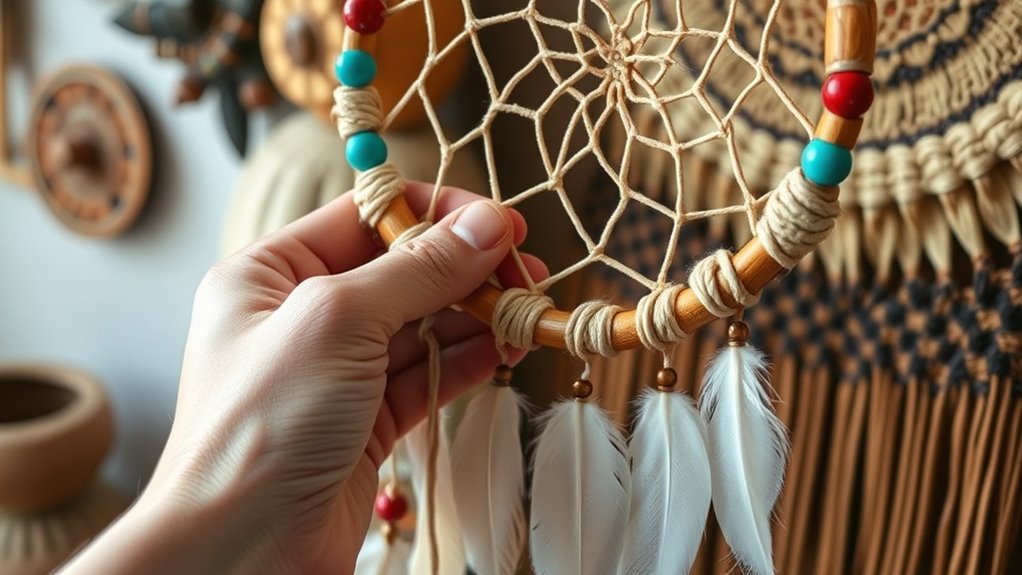
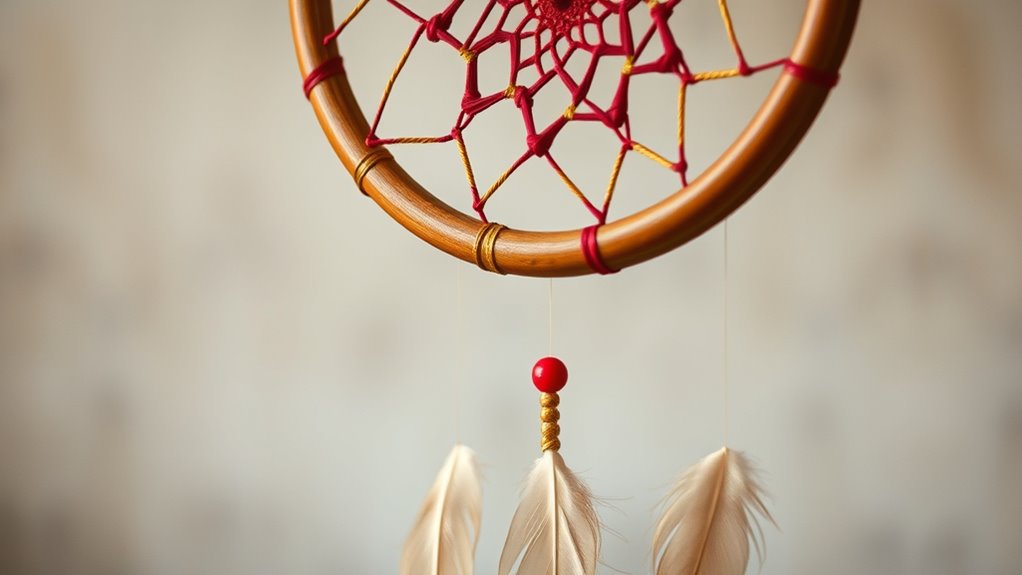
As you begin crafting your dreamcatcher, pay attention to traditional elements. Typically, a dreamcatcher features a circular frame, often made from willow, woven with natural fibers like sinew or hemp. Incorporate genuine feathers, preferably from Indigenous sources, and be mindful of their symbolic significance. For example, eagle feathers are sacred in many Native cultures, so using them with reverence is important. When attaching feathers and beads, do so thoughtfully, recognizing their cultural importance and the stories they carry. Additionally, understanding the cultural significance of specific symbols and materials can deepen your appreciation and ensure your craft remains culturally sensitive. Learning about the symbolism behind different elements can also enhance your respectfulness during the process.
Throughout your process, remain conscious of cultural sensitivity. Avoid stereotypes or misrepresentations by avoiding commercialized or kitschy versions of dreamcatchers. Instead, approach your project as a learning experience and a gesture of respect. Sharing your journey and the significance behind your craft can foster understanding and appreciation for Native traditions. It’s also helpful to educate others about the meaning and purpose of dreamcatchers, which can help dispel misconceptions and promote cultural respect. In doing so, you’re not only creating a beautiful piece but also paying tribute to a rich cultural heritage that deserves recognition and respect. By combining mindful sourcing with genuine reverence, your DIY dreamcatcher can become a meaningful symbol of cultural respect and appreciation. Recognizing the cultural origins of dreamcatchers helps you approach the craft with genuine understanding and humility.
Frequently Asked Questions
What Are the Traditional Materials Used in Authentic Dreamcatchers?
Traditional dreamcatchers typically use materials rooted in Native craftsmanship. You’ll find a hoop made from natural wood or willow, symbolizing strength and connection. The web is woven with sinew or twine, reflecting traditional methods. For decoration, people often incorporate traditional feathers, which hold cultural significance, and beads. Using authentic materials honors the cultural heritage and respects the craftsmanship passed down through generations.
How Can I Ensure Cultural Sensitivity When Creating a Dreamcatcher?
To guarantee cultural sensitivity, you should avoid cultural appropriation by learning about the dreamcatcher’s origins and significance. Respectful representation means honoring the traditions and meaning behind the craft, rather than using it superficially. You can do this by sourcing materials ethically, supporting Indigenous artists, and sharing its cultural importance thoughtfully. This approach shows respect and helps preserve the tradition’s integrity, avoiding misappropriation or disrespect.
Are There Specific Symbols or Colors With Particular Meanings?
Think of dreamcatchers as a language of symbols; each element tells a story. Specific symbols and colors hold deep cultural significance—like feathers representing air and spirits, and the color blue symbolizing protection. For example, using red might symbolize courage or life force. To honor their meaning, research these symbolic meanings and color significance, ensuring your creation respects and reflects their cultural importance rather than just aesthetics.
Can I Incorporate Modern Designs While Respecting Cultural Origins?
You can definitely incorporate modern designs into your dreamcatcher, but it’s important to avoid cultural appropriation. Respect cultural origins by doing research and understanding the traditional symbolism behind elements like colors and symbols. A modern reinterpretation should honor the roots while adding personal creativity. Stay mindful of cultural significance, and if unsure, consult with members of the culture to ensure your design is respectful and meaningful.
Where Are the Best Places to Learn About Dreamcatcher Traditions?
You should explore museums, cultural centers, and Native American storytelling events to learn about dreamcatcher traditions. These places offer authentic insights into Dreamcatcher symbolism and its significance within Native culture. Engaging with Native storytellers and community members helps you understand the cultural context. Online resources and books by Native authors also provide valuable perspectives, ensuring you respect and honor the traditions while learning about the rich history behind dreamcatchers.
Conclusion
By creating your dreamcatcher with respect and understanding, you honor a tradition rooted in centuries of Native American culture. Just like the wise owl watches over the night, let your craft serve as a reminder to cherish and preserve these meaningful customs. When you approach this project with reverence, you become part of a larger story—one that bridges past and present. Remember, true craftsmanship honors the soul behind the art, ensuring its spirit lives on.