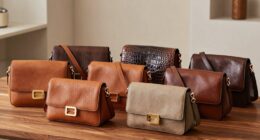
To spot fakes like a pro, start by examining brand-specific details such as stitching, hardware, and logos for consistency and alignment. Check serial numbers and date codes against official references, and look for signs of poor craftsmanship or artificial distress. Use professional authentication services when needed and stay updated on vintage trends and design changes. Mastering these markers will boost your confidence; continue exploring to sharpen your skill in authenticating secondhand luxury items.
Key Takeaways
- Examine brand-specific markers like stitching, monogram alignment, serial numbers, and holograms for authenticity clues.
- Check craftsmanship details such as stitching quality, material finish, and signs of age consistent with vintage pieces.
- Cross-reference serial numbers and markings with official brand databases and verify accompanying documentation.
- Use professional authentication services and specialized tools to detect counterfeit security features and materials.
- Stay updated on vintage styles, logo changes, and signs of genuine wear to improve identification accuracy.

Have you ever wondered how to tell if a secondhand luxury item is genuine? With vintage trends making a strong comeback, more people are buying pre-owned designer pieces, but the risk of encountering fakes is real. Knowing how to spot authenticity markers is essential if you want to invest confidently in authentic luxury items. First, familiarize yourself with the specific characteristics that define genuine pieces. Every luxury brand has unique details, from stitching patterns to hardware finishes, which serve as authenticity markers. For example, genuine Louis Vuitton bags feature perfectly aligned monogram patterns and consistent stitching, while authentic Chanel handbags have serial numbers that can be cross-verified. When shopping secondhand, always examine the craftsmanship closely—poor stitching, uneven lining, or misspelled logos are red flags. Vintage trends influence many designs, but authentic pieces retain consistent quality regardless of age. Hence, understanding the nuances of vintage items is vital. Look for signs of wear that are consistent with age, but beware of artificially distressed pieces that might be fakes. Authentic vintage items often show signs of history, like slight fading or patina, which counterfeiters struggle to replicate convincingly. Additionally, authenticity markers such as brand stamps, holograms, or interior labels can help verify a piece’s origin. Always verify these markers against official brand references or trusted sources. Check the font, spacing, and placement—these details are rarely perfect in counterfeits. For vintage items, research the specific era’s characteristics, since brands sometimes changed their logos or markings over time. When purchasing online, ask for detailed photos of these markers, including close-ups of serial numbers or date codes. If possible, request proof of purchase or authenticity certificates, especially for high-value items. Cross-referencing serial numbers or date codes with brand databases can provide further assurance. authenticity markers such as holograms and serial numbers are often embedded with security features that counterfeiters find difficult to replicate accurately. Relying solely on visual cues can sometimes be misleading, so employing professional authentication services can provide an additional layer of security. Keep in mind that counterfeiters are becoming increasingly skilled, so relying solely on visual cues isn’t enough. Combining your knowledge of authenticity markers with a trusted source or professional authentication service can save you from costly mistakes. To further aid in authentication, consider using specialized tools designed to detect counterfeit markings and materials. Additionally, it’s helpful to stay informed about vintage trends and how they influence design details, as this knowledge can help you identify authentic vintage pieces more confidently. In the end, becoming familiar with vintage trends and their corresponding authenticity markers will empower you to distinguish genuine pieces from fakes confidently. The more you learn and observe, the better you’ll become at spotting the subtle yet vital details that separate authentic luxury from counterfeit. This knowledge not only protects your investments but also enhances your appreciation for genuine craftsmanship.
Frequently Asked Questions
How Can I Verify Authenticity Without Opening the Packaging?
You can verify authenticity without opening the packaging by examining packaging clues like logos, fonts, and overall quality. Look for consistent branding and precise printing. Check the seller’s reputation through reviews and ratings, as trusted sellers are less likely to deal in fakes. Additionally, request high-quality photos from the seller to compare details with official brand images. This approach helps you confidently spot authentic items before opening the package.
Are There Specific Signs to Identify Counterfeit Designer Labels?
When checking for counterfeit designer labels, look closely at label stitching—authentic pieces have even, tight stitches. Examine hardware engravings; genuine items feature precise, clean engravings with consistent font. Fake labels often have sloppy stitching or uneven hardware details. You can also compare logos and placement to official images. These signs help you spot fakes without opening packaging, ensuring your purchase is authentic.
Can Online Reviews Help Determine a Seller’S Credibility?
You can definitely use online reviews to gauge a seller’s credibility. Pay attention to their seller reputation and look for consistent positive feedback. Reading review authenticity helps you spot genuine experiences and avoid scams. If many buyers mention smooth transactions and authentic products, it’s a good sign. Conversely, suspicious reviews or a low reputation score should make you cautious. Trust your instincts and do thorough research before making a purchase.
What Tools Do Professionals Use for Authentication?
You might think professionals rely only on their eyes, but they actually use advanced authentication tools and expert techniques to verify luxury items. These tools include UV light scanners, magnifying glasses, and digital microscopes to examine stitching, logos, and materials closely. They also compare items against authentic references and use specialized software. By combining these methods, experts confidently distinguish genuine pieces from fakes, ensuring your purchases are authentic.
How Often Do Counterfeiters Update Their Techniques?
Counterfeiters constantly update their techniques to stay ahead of authentication methods. They innovate scam tactics frequently, making fake luxury items harder to spot. As a buyer, you should stay vigilant because counterfeit innovation evolves quickly, often mimicking genuine details more convincingly. Regularly educate yourself on the latest scam tactics and authentication tips to protect yourself from falling for high-quality fakes that counterfeiters continually refine.
Conclusion
Now that you know the secrets to spotting fake luxury items, you’re one step ahead. But remember, counterfeiters are always evolving their game. Stay vigilant, keep practicing your eye for detail, and never settle for less than the real deal. The next time you’re about to make a purchase, question everything—because the moment you think you’ve seen it all is when the true test begins. Are you ready to trust your instincts?