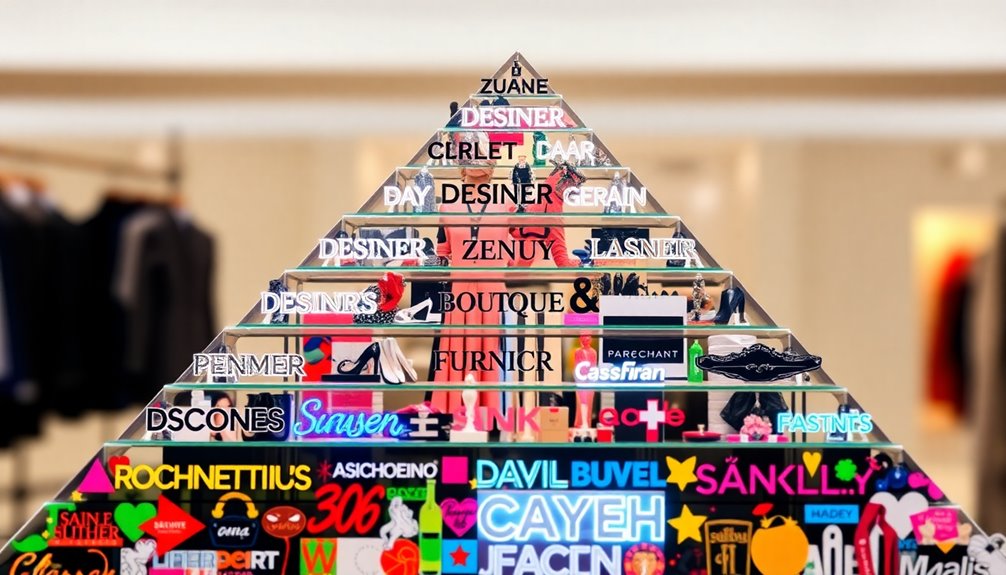

Fashion subscription boxes use sustainable methods and innovative supply chains to provide personalized, eco-friendly clothing options. They focus on ethical sourcing, waste reduction, and inventory management, which help keep costs down while appealing to eco-conscious consumers. The subscription model encourages planned shopping, reducing impulsive buys and fast fashion. If you want to discover how these strategies shape the economics of fashion boxes and their growing impact, keep exploring further.

Get your wardrobe favorites delivered free — and shop member deals
- Fast, free delivery on millions of items
- Access to Prime Big Deal Days deals on October 6–7
- Prime Video, Amazon Music and more included
Key Takeaways
- Subscription models promote customer loyalty and stabilize revenue through recurring payments and personalized offerings.
- Sustainable sourcing and eco-friendly practices can increase costs but enhance brand reputation and consumer trust.
- Data-driven personalization reduces waste and unsold inventory, lowering overall operational expenses.
- Balancing perceived value with sustainable costs is crucial for profitability and market competitiveness.
- Consumer demand for transparency and sustainability influences supply chain management and product offerings.

Fashion subscription boxes have become a popular way to refresh your wardrobe effortlessly. They offer a convenient, personalized shopping experience that delivers curated clothing and accessories straight to your door. As you consider signing up, it’s essential to understand the economic factors behind these services. One key aspect is their focus on sustainable practices, which influences not only their sourcing and production methods but also your purchasing decisions. Many companies now prioritize eco-friendly materials, ethical manufacturing, and minimal waste, aligning with the growing consumer behavior toward sustainability. This shift impacts the cost structure of subscription boxes, often leading to slightly higher prices but also encouraging you to think more critically about your fashion footprint.
From a business perspective, the economics of fashion subscription boxes hinge on economies of scale and customer retention. By offering a recurring service, these companies aim to build a loyal customer base, which helps stabilize revenue streams. They invest heavily in data-driven algorithms that personalize your selections, reducing waste and increasing satisfaction. This personalization relies on understanding consumer behavior—what styles you prefer, your sizing, and your budget—and adjusting their offerings accordingly. As a result, they can optimize inventory management, minimizing unsold stock and excess production. This not only benefits the environment but also lowers overall costs, allowing companies to pass some savings onto you through discounts or flexible subscription plans. Additionally, the integration of sustainable practices into their business models can enhance brand loyalty and attract eco-conscious consumers.
Subscription boxes also influence consumer behavior by shifting your shopping habits from impulsive retail therapy to more planned, sustainable choices. Because you receive curated items regularly, you’re less likely to buy unnecessary pieces or fall victim to fast fashion trends that promote overconsumption. This model encourages you to invest in quality pieces that fit your style and values, which can be more cost-effective over time. Furthermore, some companies incorporate clothing recycling initiatives, which help reduce textile waste and promote circular fashion. These practices also support the idea of a circular economy, which aims to maximize the lifecycle of products and materials. The convenience of having a tailored wardrobe delivered regularly reduces the time and effort involved in traditional shopping, making it easier to stick to your budget and style goals. Moreover, the integration of sustainable supply chains can further reduce environmental impact and ensure ethical labor practices.
The economic success of these boxes depends heavily on balancing costs with perceived value. Companies must manage logistics, marketing, and sourcing costs while maintaining affordable pricing that appeals to a broad audience. They also need to adapt to changing consumer behaviors, such as increasing demand for transparency and sustainability. When companies succeed in integrating sustainable practices into their business model, it boosts their reputation and encourages more consumers like you to participate, creating a positive feedback loop. Overall, the economics of fashion subscription boxes are shaped by a combination of sustainability efforts, consumer behavior, and strategic logistics, making them a compelling choice for modern shoppers who want style, convenience, and eco-consciousness in one package.
Top picks for "economic fashion subscription"
As an affiliate, we earn on qualifying purchases.
Frequently Asked Questions
How Do Subscription Box Prices Compare to Individual Clothing Purchases?
You might wonder how subscription box prices compare to individual clothing purchases. The cost comparison varies, often offering a lower average price per item through subscriptions. However, price fluctuation can occur depending on the plan, brand, or included items. Subscriptions typically provide more value and convenience, but if you prefer buying specific pieces, individual purchases might be more cost-effective. Consider your style, budget, and shopping habits to decide which option suits you best.
What Are the Cost Implications for Sustainable Fashion in Subscription Models?
Much like planting a seed for future growth, choosing subscription models impacts sustainable fashion. You might save money, but it also means more focus on sustainable sourcing and eco-friendly packaging. These costs can rise, but they’re essential for reducing waste and supporting ethical practices. By subscribing, you help promote environmentally conscious production, though it may require a higher upfront investment. Ultimately, your choices shape a more sustainable future for fashion.
How Do Subscription Boxes Influence Brand Pricing Strategies?
You notice that subscription boxes influence brand pricing strategies by fostering brand loyalty and enabling precise market segmentation. When you subscribe, you’re more likely to stay loyal, which encourages brands to offer competitive prices. They also tailor their offerings to specific customer segments, allowing them to set prices that reflect perceived value. This dynamic helps brands balance affordability with premium positioning, ultimately shaping their overall pricing strategies to meet subscriber expectations.
What Is the Economic Impact of Subscription Fatigue Among Consumers?
You might notice subscription fatigue affecting your willingness to subscribe or renew services. This fatigue can reduce consumer loyalty, making you less likely to commit long-term. As more brands enter a saturated market, your options increase but so do the choices that overwhelm you. Economically, this can lead to lower subscription revenues for companies, forcing them to innovate or lower prices to retain your loyalty in a competitive, saturated landscape.
How Do Shipping Costs Affect the Overall Affordability of Subscription Boxes?
Shipping costs directly impact the affordability of subscription boxes because logistics expenses and packaging costs add to the overall price. When shipping fees rise, you may find the total cost less appealing, leading to decreased subscriptions. Efficient logistics and optimized packaging can help keep prices manageable, making the boxes more attractive. So, if shipping costs go up, expect the subscription’s affordability to suffer, influencing your decision to subscribe or stay subscribed.
Conclusion
So, now you see how fashion subscription boxes can revolutionize your wardrobe and your wallet. They’re like having a personal stylist, shopper, and fashion genie all in one—saving you time, money, and endless closet clutter. While they might seem like a small trend, they’re actually a giant leap toward smarter, more personalized shopping. Embrace the subscription world, and watch your style skyrocket to levels even the fashion gods would envy!
Fall Picks
fall essentials
As an affiliate, we earn on qualifying purchases.