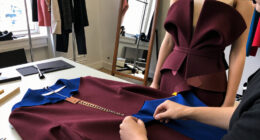
Technology’s transforming fashion in incredible ways. You’ll see how VR and AR help visualize designs, while digital tools speed up the process. Sustainable practices are becoming essential, with biodegradable fabrics and energy-efficient methods reducing environmental impact. Advanced production techniques, like automation and AI, enhance quality and minimize waste. Plus, your shopping experience is evolving with virtual try-ons and tailored recommendations. Stick around, and you’ll uncover even more about the future of fashion technology.

Get your wardrobe favorites delivered free with Prime
- Fast, free delivery on millions of items
- Prime Video, Amazon Music and more included
- Member-only deals all year
Key Takeaways
- Technological innovations like VR and AR enable immersive design experiences, revolutionizing how designers visualize and create fashion.
- Sustainable practices are increasingly integrated into fashion, driven by advancements in biodegradable materials and renewable energy technologies.
- Advanced production techniques, including automation and AI-driven quality control, enhance efficiency while reducing waste in manufacturing processes.
- Consumer experiences are transformed through virtual try-on apps and interactive dressing rooms, making shopping more personalized and engaging.
- The continuous evolution of technology fosters a more innovative and sustainable fashion industry, aligning with changing consumer preferences and environmental concerns.

As technology continues to evolve, it’s reshaping the fashion industry in ways we couldn’t have imagined just a few years ago. You might find it fascinating how virtual reality (VR) and augmented reality (AR) now allow designers to immerse themselves in their creations, enabling a level of visualization that sparks unparalleled creativity.
With digital tools like computer-aided design (CAD) and computer-aided manufacturing (CAM), the design process accelerates considerably, letting you explore countless iterations in no time. Furthermore, sustainable design practices are becoming integral to this accelerated process, ensuring eco-friendliness is prioritized from the start. In addition, the use of automation in business intelligence is revolutionizing how designers analyze market trends and consumer preferences to inform their creative decisions. The integration of sustainable fabrics into production processes is also gaining traction, pushing brands to adopt eco-friendly practices. Moreover, the use of renewable energy technologies in manufacturing can significantly reduce the carbon footprint associated with production.
The introduction of smart textiles is another game-changer. Imagine wearing something that interacts with your environment, enhancing your experience. This innovation opens doors for interactive wearables, making fashion not just about aesthetics but functionality as well.
Additionally, technologies such as 3D printing enable rapid prototyping, allowing designers to bring their visions to life quickly and efficiently. You can see how this reduces lead times and expands design possibilities, giving designers the freedom to innovate.
On the production side, automation and robotics are optimizing efficiency. These technologies take over repetitive tasks, allowing manufacturers to focus on quality and creativity.
AI-driven quality control plays a vital role too, using predictive analytics to improve defect detection and streamline supply chains. When you consider lean production methods, it becomes clear that technology is driving the industry toward sustainability, minimizing waste while maximizing output.
Sustainability is a hot topic in fashion, and technology is leading the charge. Innovations in sustainable materials, like biodegradable fabrics, are becoming more accessible. Online banking services are also adapting to enhance customer experiences, showing how technology can transform not just fashion but various industries.
Digital design tools help reduce material waste during the design phase, showcasing how eco-friendly practices can be woven into the fabric of fashion. The environmental impact of advanced materials is considerable; they promote recycling and reuse, making your choices more responsible.
Consumer engagement is also evolving with tech. Virtual try-on apps and online platforms enhance your shopping experience, letting you visualize how clothes will look on you without ever stepping into a store.
Creating digital avatars to try on outfits gives you personalized fashion choices. In retail spaces, interactive dressing rooms make shopping immersive and engaging.
AI-driven marketing strategies provide tailored recommendations based on your preferences, ensuring you discover what you love.
In this ever-changing landscape, technology isn’t just enhancing fashion; it’s transforming how you interact with it, making every aspect—from design to production, and ultimately, your experience—more innovative and sustainable.
Frequently Asked Questions
What Are the Environmental Impacts of Fashion Technology Advancements?
Fashion technology advancements profoundly impact the environment.
You’ll notice reduced CO2 emissions from optimized production processes and sustainable materials, cutting down waste.
Digital fashion eliminates water usage and prevents microplastic shedding, leading to cleaner soil.
Smart supply chains enhance transparency, ensuring responsible sourcing.
With innovations like 3D printing, you’re witnessing a shift towards waste reduction, while the industry aims for long-term sustainability by embracing environmentally responsible practices.
How Does Technology Influence Fashion Trends Globally?
Imagine a digital runway where every scroll reveals the latest trends; that’s how technology influences fashion. You’re connected to global styles through social media, seeing what’s hot in real-time.
Online shopping lets you snag those coveted pieces instantly. With virtual try-ons, you can experiment without leaving your home.
Data analytics guarantees brands adapt quickly to your preferences, making fashion feel personal and ever-evolving, like a living tapestry woven from your desires.
Are There Risks of Data Privacy in Fashion Tech?
Yes, there are significant risks to data privacy in fashion tech.
When you share personal information with brands, you mightn’t realize how that data’s being collected or used. Cybersecurity threats can expose your sensitive information, leading to potential misuse.
It’s essential for you to understand what data smart wearables collect and how it’s handled. Fashion brands must prioritize transparency and robust security measures to protect your privacy and maintain your trust.
How Do Consumers Feel About Digital Fashion?
Consumers have mixed feelings about digital fashion. You might see it as a fun supplement rather than a full replacement for your favorite physical garments.
Many of you appreciate its creativity and flexibility, especially for social media. If you’re in Gen Z or a Millennial, you’re likely more open to it, valuing the unique identities it helps you express.
As digital fashion continues to evolve, your willingness to invest in it is growing.
What Role Do Influencers Play in Tech-Driven Fashion Changes?
Influencers play a vital role in tech-driven fashion changes by showcasing innovative styles and promoting brands through social media.
They leverage their vast followings to highlight sustainable and inclusive practices, making fashion more accessible.
With the rise of virtual influencers and AI technology, you’re seeing more personalized and interactive experiences.
This new wave of digital engagement not only shapes your purchasing decisions but also fosters a conversation around responsible fashion practices and diverse representation.
Conclusion
As technology weaves itself into the fabric of fashion, it’s clear that the industry is evolving at lightning speed. You’re witnessing a revolution where innovation meets creativity, transforming how you shop, design, and experience style. With each digital thread, the possibilities expand, blending sustainability with personalization. Embrace this change; it’s not just a trend, but a new era where every stitch tells a story, and you’re part of the narrative. The future of fashion is yours to shape.
Columbus Day / Indigenous Peoples' Day Picks
long weekend sales
As an affiliate, we earn on qualifying purchases.