

Supply chain transparency lets you build trust with your customers by showing that your products are ethically sourced and responsibly made. When you use digital tools like blockchain and QR codes, you make it easy for consumers to verify your supply chain’s integrity. This openness not only demonstrates your commitment to sustainability and fair labor practices but also transforms compliance into a genuine reputation boost. Keep exploring to discover how you can leverage these strategies for even greater impact.
Key Takeaways
- Digital traceability technologies ensure immutable records that verify ethical sourcing and build consumer trust.
- Transparent supply chains empower consumers to make informed, responsible purchasing decisions.
- Authentic transparency demonstrates corporate accountability, fostering loyalty and competitive advantage.
- Enhanced visibility pressures industry peers to adopt higher standards and responsible practices.
- Integrating compliance with consumer engagement transforms ethical standards into brand trust.
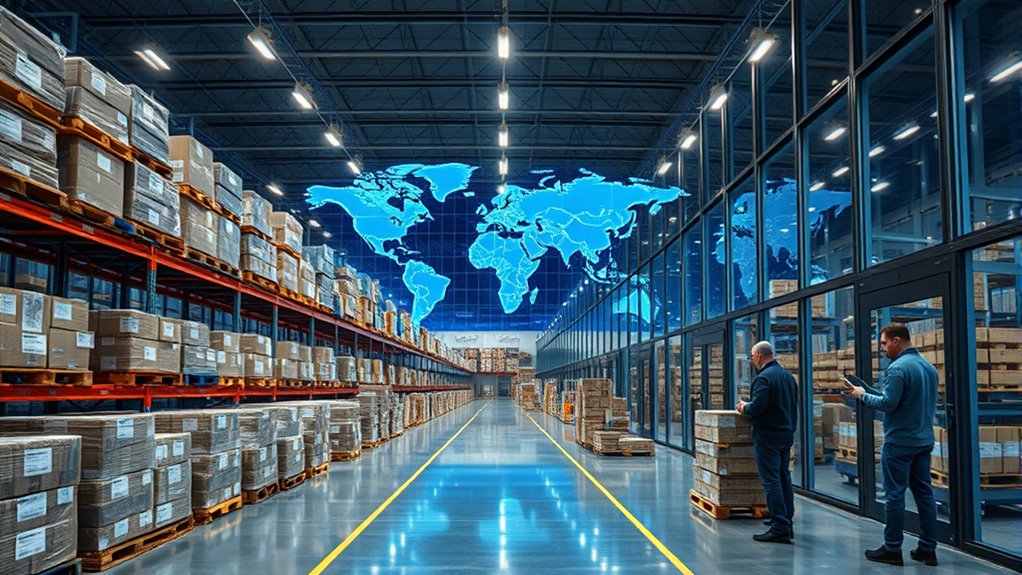
Have you ever wondered how much you really know about the journey your products take before reaching you? In today’s world, supply chain transparency isn’t just a buzzword; it’s an essential part of building trust between brands and consumers like you. As a conscious shopper, you want assurance that the items you buy are produced ethically and responsibly. That’s where ethical sourcing and digital traceability come into play. They’re transforming the way companies operate, making supply chains more visible, accountable, and trustworthy.
Ethical sourcing means that companies are committed to obtaining raw materials and finished products in ways that respect human rights, protect the environment, and promote fair labor practices. When brands prioritize ethical sourcing, they avoid exploitative labor, child labor, and environmentally harmful practices. But how do you, as a consumer, verify these claims? This is where digital traceability becomes essential. Digital traceability uses advanced technology—such as blockchain, RFID tags, and IoT sensors—to track each step of a product’s journey. From raw material extraction to manufacturing and delivery, every transaction and movement is recorded and accessible. This creates an immutable record that can be audited and verified at any time.
Digital traceability ensures transparent, tamper-proof records of a product’s journey, verifying ethical sourcing practices at every step.
By integrating digital traceability into their supply chains, companies turn compliance into a competitive advantage. They’re not just meeting minimum standards; they’re actively demonstrating transparency. When you scan a product’s QR code or access its digital profile, you can see exactly where it came from, how it was made, and whether it adheres to ethical sourcing principles. This level of transparency allows you to make more informed choices, aligning your purchasing power with your values. Additionally, advances in projector technology are helping consumers visualize and better understand complex supply chain data through immersive experiences. Moreover, implementing comprehensive privacy policies ensures that consumer data collected through these transparency initiatives is protected and used responsibly. Understanding supply chain complexity further highlights the importance of clear and accessible traceability data for consumers like you. Recognizing the role of digital traceability in verifying compliance can also foster greater consumer confidence and demand for responsible products.
For businesses, embracing supply chain transparency isn’t just about avoiding scandals or legal trouble—although that’s important. It’s about building genuine trust with customers. When you see brands openly sharing their supply chain information, it reassures you that they’re committed to responsible practices. This openness fosters loyalty, as you feel confident that your purchases support ethical and sustainable initiatives. Furthermore, it pressures other companies to follow suit, raising standards across industries.
In essence, digital traceability and ethical sourcing work hand in hand to turn supply chain compliance into a foundation of trust. They empower you to hold brands accountable and ensure your money supports companies that prioritize social and environmental responsibility. As technology advances, expect even greater levels of transparency, giving you clearer insights into the origins of your products and reinforcing your role as a conscious consumer shaping a more ethical marketplace.
Frequently Asked Questions
How Can Small Businesses Improve Supply Chain Transparency Effectively?
You can improve your supply chain transparency by fostering strong supplier collaboration and emphasizing ethical sourcing practices. Communicate openly with suppliers, set clear standards, and encourage them to share detailed information about their processes. Implement simple tracking tools and audits to verify compliance, building trust with your customers. By prioritizing transparency and ethical sourcing, you turn compliance into a competitive advantage, strengthening your reputation and ensuring responsible business practices.
What Technologies Are Most Reliable for Tracking Supply Chain Compliance?
When it comes to tracking supply chain compliance, you’re really fishing in a small pond, but the right tech can make all the difference. Blockchain verification provides a tamper-proof record, ensuring transparency and trust. RFID tracking offers real-time location updates, making compliance visible and manageable. Combining these tools gives you a reliable way to monitor your supply chain effectively, turning compliance into a competitive advantage you can count on.
How Do Companies Handle Transparency in Complex Global Supply Chains?
You handle transparency in complex global supply chains by prioritizing ethical sourcing and fostering strong supplier collaboration. You implement technologies like blockchain and real-time tracking to guarantee accurate information sharing. By building trust with your suppliers and encouraging open communication, you create a transparent environment. This approach helps you meet compliance standards, reduces risks, and demonstrates your commitment to responsible sourcing, turning transparency into a strategic advantage.
What Are the Key Challenges in Turning Compliance Into Consumer Trust?
You face challenges turning compliance into consumer trust by balancing transparency, demonstrating ethical sourcing, and engaging stakeholders effectively. You need to show genuine commitment, communicate openly, and build credibility through consistent actions. Overcoming skepticism, managing complex expectations, and maintaining accountability are essential. When you prioritize transparency and stakeholder engagement, you foster trust, strengthen your reputation, and turn compliance into a true competitive advantage.
How Does Supply Chain Transparency Impact Overall Business Reputation?
Supply chain transparency markedly boosts your business reputation by showcasing your commitment to ethical sourcing. When you openly share your sourcing practices, customers see your dedication to responsibility and integrity, enhancing your brand credibility. Transparency builds trust, demonstrating you’re accountable for your supply chain. This positive perception attracts loyal consumers and differentiates your brand in a competitive market, ultimately strengthening your overall reputation and fostering long-term success.
Conclusion
By embracing transparency, you turn compliance into confidence, cultivating trust through truthful transparency. When you’re open about your supply chain, you build bonds beyond borders, breaking barriers of doubt. Consistently communicating your commitments creates credibility, cultivating a culture of clarity. Remember, transparency isn’t just a task—it’s a transformative tool to foster faith, forge futures, and flourish in a fair, fearless marketplace. Make transparency your trademark, and watch trust thrive.