

When you upload user-generated content, you automatically hold certain rights, but platform terms of service may grant them broad licenses to display or share your work. To protect your creative efforts, it’s important to understand licensing agreements and specify permissions, such as restrictions on use or attribution. Retaining ownership and attaching clear licenses help prevent unauthorized use. Keep control by knowing your rights—continue to explore how legal basics can help safeguard your content effectively.
Key Takeaways
- Ownership rights automatically belong to content creators upon creation, but platform terms may influence control over usage and sharing.
- Licensing agreements included in platform terms specify permissions for display, distribution, and modification of user-generated content.
- Clear licensing, such as Creative Commons, helps protect rights and prevent unauthorized use of UGC.
- Retaining ownership and specifying licensing terms at upload time ensures better control over how UGC is used.
- Understanding legal basics empowers creators to negotiate rights, avoid disputes, and safeguard their content online.
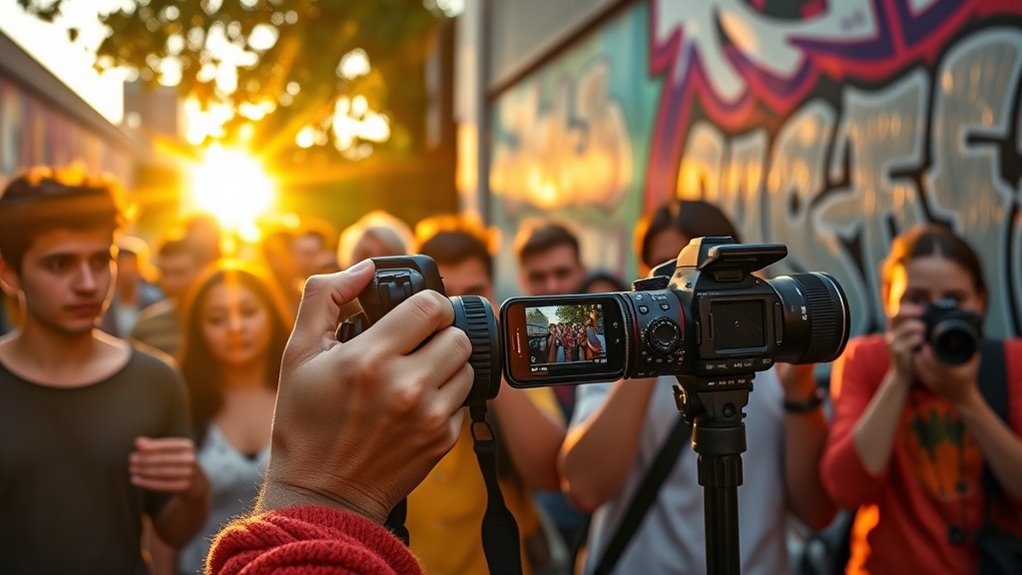
Have you ever wondered who owns the content you create and share online? When you post photos, videos, or written content on social media or other platforms, understanding your ownership rights becomes vital. Ownership rights refer to your legal control over the content you produce. Typically, when you create original content, you automatically hold these rights, meaning you can decide how it’s used, shared, or modified. However, the platform‘s terms of service might influence this, so it’s essential to review what rights you’re granting when uploading content. Many platforms include licensing agreements that specify how your content can be used. These agreements often give the platform a license to display, distribute, or even sublicense your content, sometimes without requiring additional consent from you. While this allows platforms to manage and promote user content effectively, it can also mean you lose some control over how your work is used once uploaded.
Understanding licensing agreements is key to protecting your rights. These legal contracts outline the permissions and restrictions associated with your content. For example, some agreements might allow the platform to use your content for promotional purposes without additional compensation, while others might specify that you retain certain rights. It’s important to read and comprehend these agreements before sharing your UGC (User-Generated Content). If you want to maintain full ownership rights over your content, look for platforms that offer more favorable licensing terms or consider attaching clear licenses, such as Creative Commons licenses, to your work. Doing so clarifies how others can use your content and helps prevent unauthorized or unintended use.
In some cases, you might want to retain complete ownership rights and limit how others can use your content. To do this, you can specify licensing terms when you upload or share your content. For example, you might choose to license your work under a license that only allows personal use or requires attribution. Being aware of these licensing agreements and ownership rights helps you maintain control and avoid future disputes. Additionally, understanding content ownership rights can empower you to better protect your creative work and negotiate terms when collaborating or sharing widely. It’s also wise to keep records of your original content and any licenses you attach, providing evidence of your rights should conflicts arise.
Ultimately, understanding the balance between your ownership rights and the licensing agreements you agree to ensures you protect your creative work. Whether you’re sharing a quick TikTok or a detailed blog post, being informed about these legal basics empowers you to make better decisions about your content’s use. It also helps you avoid unintentionally giving away more rights than you intended, keeping your rights protected in the ever-evolving digital world.
Frequently Asked Questions
Can I Revoke My UGC Rights After Submission?
Yes, you can revoke your UGC rights after submission by following specific revocation procedures outlined by the platform or creator. Typically, you’ll need to notify them in writing, and be aware that legal implications might arise depending on the terms you agreed to. Make sure to review the original agreement to understand your rights and guarantee your revocation is properly documented to avoid future disputes.
How Do International Copyright Laws Affect UGC Rights?
Imagine a bridge connecting two worlds; international copyright laws act as that bridge, influencing your UGC rights across borders. These laws, through international treaties, set standards that enable cross-border enforcement. When you submit UGC internationally, your rights are affected by these treaties, meaning enforcement actions can happen beyond your home country. So, your rights aren’t confined locally—they’re part of a global network, shaping how your content is protected worldwide.
What Are the Penalties for Unauthorized Use of UGC?
If you use UGC without permission, you risk serious legal consequences, including copyright enforcement actions like takedown notices or lawsuits. Penalties can involve hefty fines, damages, and even court orders to cease the unauthorized use. You might also face reputational damage or loss of access to platforms. To avoid these penalties, always seek proper permissions or licenses, respecting the creator’s rights and ensuring legal compliance.
How Do Platforms Enforce UGC Rights Violations?
Imagine a vigilant guardian gently guiding content back onto the right path. Platforms enforce UGC rights violations through active platform monitoring, catching unauthorized use early. When issues arise, they follow clear takedown procedures—issuing notices and removing infringing content swiftly. This proactive approach helps protect creators’ rights and maintains a fair online space, ensuring that unauthorized content doesn’t linger and cause further disruption.
Are UGC Rights Transferable to Third Parties?
UGC rights generally aren’t transferable to third parties unless explicitly stated in your licensing agreement. You retain your rights unless you sign over them, so transferability depends on the contract terms. If you do transfer rights, third party rights can then use, modify, or distribute your content. Always read the licensing terms carefully to understand whether third parties can claim rights, and consider consulting legal advice for clarity.
Conclusion
Now that you understand your UGC rights, you hold a powerful brush to paint your digital story. Protect your creations like a treasured gem, and respect others’ rights like a gentle gardener tending delicate blooms. Your content is your voice—let it sing freely, but wisely. With knowledge as your shield, you navigate the online world confidently, weaving a tapestry of authenticity and respect. Keep shining brightly, and let your creativity soar responsibly.