

Switching into fashion is achievable by first understanding industry challenges, like keeping up with trends and building your network. Start with entry-level roles such as internships or assistant positions, and leverage any transferable skills from previous jobs. Attend industry events, join online communities, and seek mentorship to grow your connections. Pursuing relevant courses and learning industry-specific terminology will boost your credibility. Stay proactive and adaptable—if you keep exploring, you’ll discover the key steps to make your progression smoother.

Get your wardrobe favorites delivered free with Prime
- Fast, free delivery on millions of items
- Prime Video, Amazon Music and more included
- Member-only deals all year
Key Takeaways
- Identify transferable skills and gain relevant fashion industry knowledge through courses and self-education.
- Start with entry-level roles like internships or assistant positions to build experience and industry understanding.
- Network actively via industry events, online communities, and mentorship to access hidden opportunities.
- Demonstrate professionalism and credibility by staying current with trends and mastering industry-specific terminology.
- Develop a proactive attitude, adaptability, and a clear understanding of industry challenges to position yourself competitively.
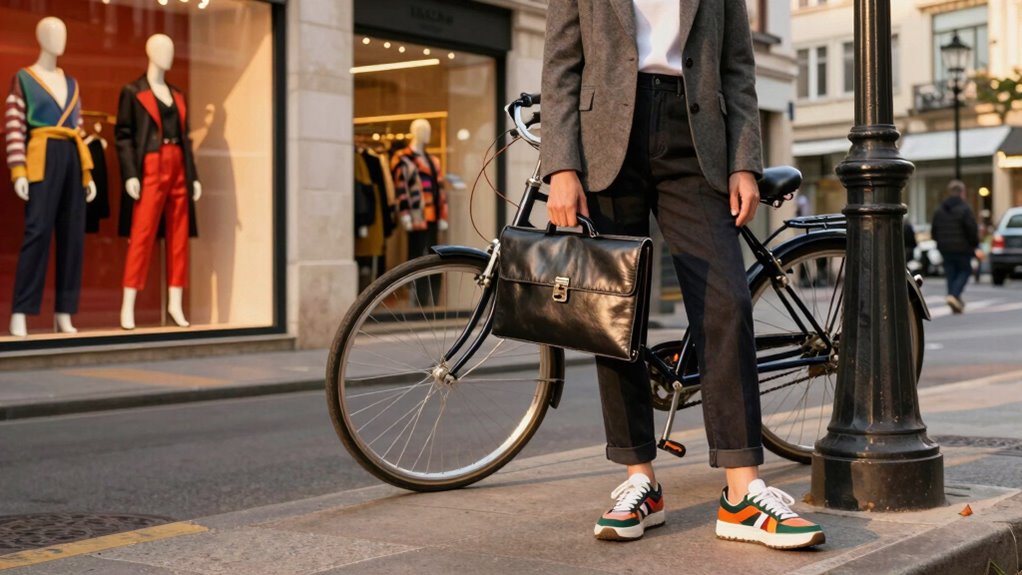
Switching careers into fashion can be both exciting and intimidating, especially if you’re leaving behind a different industry. The fashion world is fast-paced, highly competitive, and constantly evolving, which can feel overwhelming at first. One of the key hurdles you’ll face is understanding the fashion industry challenges, like staying current with trends, building a network, and demonstrating your value despite limited experience. But don’t let these obstacles deter you—there are plenty of entry level opportunities designed to help newcomers break in, even without a background in fashion. Recognizing this, you can focus on positioning yourself for these roles and gradually building your expertise.
To start, it’s essential to identify which part of the fashion industry excites you most—whether that’s design, merchandising, marketing, or production. Once you narrow down your focus, research entry level opportunities that align with your interests. Many companies offer internships, apprenticeships, or assistant roles that act as stepping stones. These positions are often accessible to those new to the industry and can serve as a launchpad for your career. Keep in mind, though, that these roles demand a willingness to learn, adaptability, and a proactive attitude. You should be prepared to showcase your enthusiasm and transferable skills from your previous career, such as project management, communication, or creative problem-solving.
Networking plays a vital role in making your transition smoother. Attend industry events, join online fashion communities, and connect with professionals on platforms like LinkedIn. Building genuine relationships can open doors to hidden opportunities and provide mentorship that accelerates your learning curve. Additionally, consider supplementing your experience with courses in fashion design, styling, or business. These can boost your credibility and fill gaps in your knowledge, making you a more attractive candidate for entry level roles. Staying informed about industry trends and technological advancements can further give you a competitive edge as you navigate your new career path. Gaining industry-specific skills can also help demonstrate your commitment and adaptability to potential employers. Furthermore, understanding the challenges faced by industry newcomers can help you develop strategies to overcome them effectively. Developing a comprehensive understanding of the industry can also enhance your ability to adapt quickly and identify opportunities for growth. Additionally, keeping up with industry-specific terminology will help you communicate more effectively within the fashion community and demonstrate your professionalism.
fashion industry internship programs
As an affiliate, we earn on qualifying purchases.
As an affiliate, we earn on qualifying purchases.
Frequently Asked Questions
How Do I Build a Portfolio With No Fashion Experience?
Start by exploring fashion skill building through online courses, tutorials, and workshops. Use your creative inspiration to create personal projects like mood boards, sketches, or styling photoshoots, even if you’re just starting out. Collaborate with photographers or models to gain experience and diversify your portfolio. Focus on showcasing your unique perspective and growth, and over time, your evolving work will demonstrate your dedication and passion for fashion.
What Are the Initial Costs to Start in Fashion?
They say, “You have to spend money to make money,” and that’s true for fashion entrepreneurship. Initial costs vary but typically include materials, tools, a website, and marketing—around a few hundred to a few thousand dollars. If you’re into sustainable fashion, expect to invest more in eco-friendly materials. Budget wisely, prioritize quality, and keep costs low until you gain momentum in this competitive industry.
How Can I Network Effectively in the Fashion Industry?
You can network effectively in fashion by attending industry events and engaging actively on social media. Make a habit of connecting with professionals at shows, panels, or meetups, and follow designers, brands, and influencers online. Comment thoughtfully, share relevant content, and showcase your passion. Building genuine relationships takes time, so stay consistent and approachable. This combination of in-person and digital efforts helps you stay visible and build meaningful connections in the fashion world.
Is Formal Education Necessary for a Fashion Career?
You don’t necessarily need formal education to succeed in fashion. Many industry professionals build skills through fashion certifications and online courses, which are flexible and cost-effective. These options help you learn specific skills, stay updated on trends, and demonstrate your commitment. While a degree can open doors, practical experience, a strong portfolio, and continuous learning through certifications and online courses can be just as valuable in establishing your fashion career.
How Do I Stay Motivated During a Career Transition?
To stay motivated during your career shift, focus on building mental resilience and setting clear goals. Remind yourself of your passion for fashion and celebrate small wins along the way. When challenges arise, view them as opportunities to learn and grow. Keep a vision board or journal to track your progress, and regularly revisit your goals to stay inspired and committed to making your shift successful.
Conclusion
So, picture yourself stepping into the vibrant world of fashion, where your passion becomes your palette and your skills are the brushstrokes. With determination and a clear roadmap, you can transform your dream into reality—like turning a blank canvas into a masterpiece. Remember, every great designer started with a single stroke. Embrace the journey, and soon you’ll be painting your own success story in the colorful tapestry of fashion.
Columbus Day / Indigenous Peoples' Day Picks
long weekend sales
As an affiliate, we earn on qualifying purchases.