To create flattering fashion photos, focus on lighting that highlights fabric textures and colors. Use soft, diffused light, like studio softboxes or overcast outdoor conditions, to minimize harsh shadows and glare. Experiment with light placement to emphasize drape and movement, and choose backgrounds that complement without distracting. Proper lighting and background choices work together to showcase garments beautifully. Keep exploring these techniques to elevate your photos and make every shot shine.
Key Takeaways
- Use soft, diffused lighting like studio softboxes or overcast conditions to evenly highlight fabric textures and colors.
- Position lights to create subtle shadows and highlights, emphasizing fabric drape and movement.
- Avoid harsh shadows and glare by controlling light placement and using diffusers.
- Match background tones with lighting to enhance fabric details without distraction.
- Pose models naturally to control how light interacts with the fabric, highlighting its features.
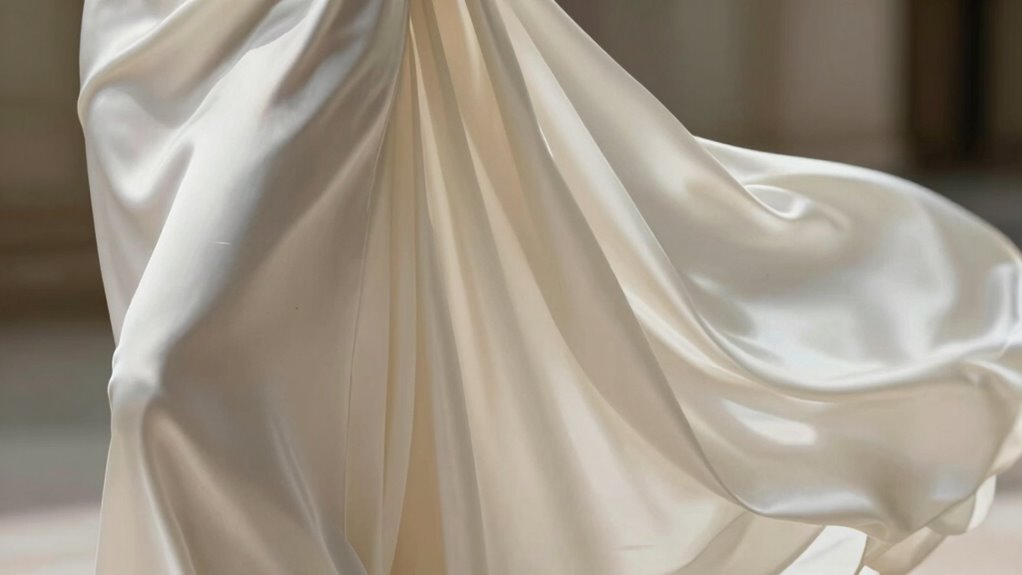
Ever wondered what it takes to capture stunning fashion photographs? It’s not just about snapping quick shots; it’s about understanding how lighting interacts with fabric, how to guide your model’s posing, and how to choose the perfect background. When you’re working on fashion photography, every detail matters, especially the way light flatters the fabric and highlights the design. Good lighting can elevate a simple outfit into a captivating visual story, so mastering this aspect is essential.
Great fashion photos highlight fabric details through thoughtful lighting, posing, and background choices.
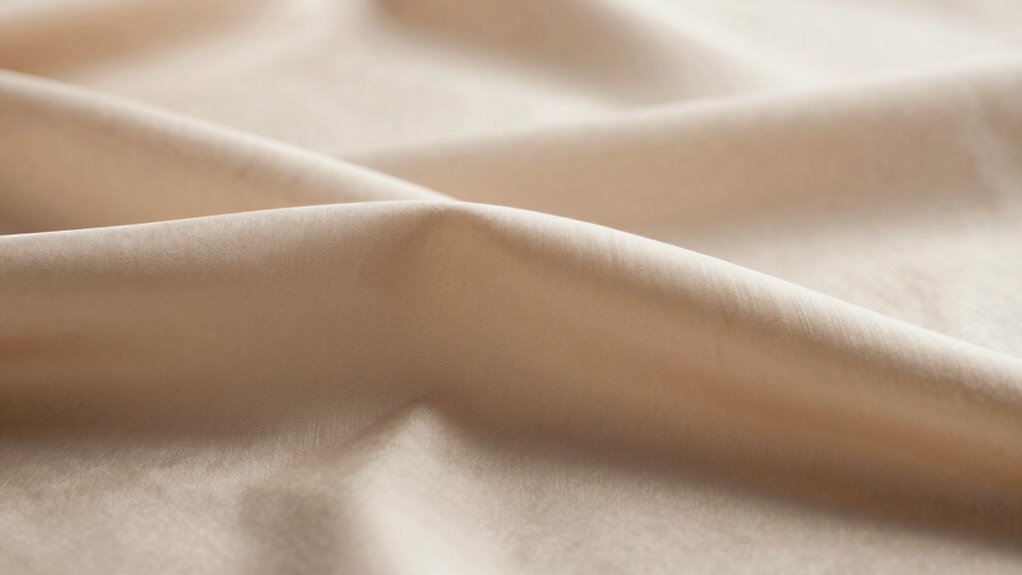
Start by considering how your lighting setup influences the way fabric appears. Soft, diffused light tends to be the most flattering because it minimizes harsh shadows and reduces glare, allowing textures and colors to pop. Whether you’re shooting outdoors on an overcast day or using studio softboxes, aim for a balanced light that gently illuminates the fabric. Pay attention to how the light creates subtle shadows and highlights, emphasizing the drape and movement of the clothing. This not only makes the fabric look more appealing but also helps the viewer connect with the overall mood of the shot. Lighting techniques that flatter fabric are fundamental to achieving a professional look.
When it comes to model posing, you want to guide your model in a way that complements the fabric’s flow and structure. Encourage natural, confident stances that showcase the garment’s best features. Posing isn’t just about aesthetics; it’s about bringing the clothing to life. Ask your model to move slightly or shift their weight to reveal how the fabric responds to movement. This interplay between pose and fabric creates dynamic, engaging images. Keep in mind that certain poses can also help you control how light hits the fabric, highlighting textures or camouflaging imperfections. Understanding how lighting interacts with fabric can help you compose more flattering shots. Additionally, being aware of how lighting conditions influence the overall mood can help you achieve the desired aesthetic.
Background selection plays an essential role in fashion photography because it frames your subject and influences how the fabric is perceived. Choose backgrounds that don’t compete with the clothing but instead enhance it. Neutral tones, simple textures, or even urban settings can work beautifully if they complement the colors and style of the outfit. The right background can also help you manipulate lighting more effectively, as contrasting or complementary colors can add depth or create a harmonious look. Additionally, understanding lighting that flatters fabric can help you achieve a cohesive and professional aesthetic. Proper background choices can also direct the viewer’s attention and emphasize the clothing’s details.
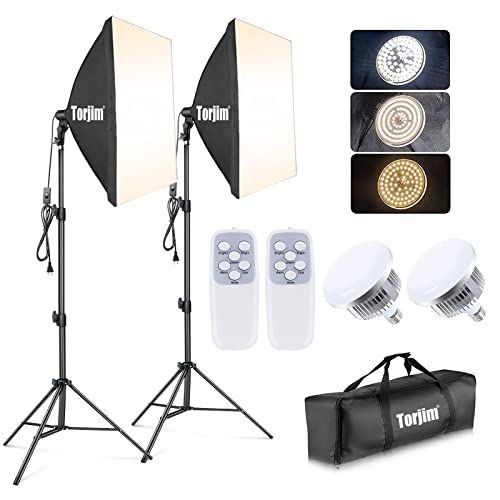
Torjim Softbox Photography Lighting Kit, 2Pcs 27" x 27" Professional Soft Box | 3000K-7500K 85W LED Bulbs with Remote, Photography Continuous Lighting Kit for Studio Lights, Portrait, Video Recording
- Wide Coverage Softbox: Inner nylon reflector for bright, even light
- Removable Diffuser: Eliminates shadows for softer, uniform lighting
- Stable Locking System: Ensures softbox stability on tripod during use
As an affiliate, we earn on qualifying purchases.
As an affiliate, we earn on qualifying purchases.
Frequently Asked Questions
What Type of Lighting Is Best for Outdoor Fashion Shoots?
For outdoor fashion shoots, you should use natural light during the golden hour, when the color temperature is warm and flattering. If you need to control the light, incorporate light modifiers like reflectors and diffusers to soften shadows and maintain consistent color temperature. These tools help you shape the light, ensuring the fabric’s texture and colors look vibrant and true to life, creating stunning, professional images.
How Do You Prevent Fabric From Appearing See-Through Under Strong Lights?
To prevent fabric from appearing see-through under strong lights, you should focus on enhancing fabric opacity and using light diffusion techniques. Position your lighting to minimize harsh shadows and avoid direct hits on the fabric. Using diffusers or softboxes helps spread light evenly, reducing transparency issues. Additionally, selecting fabrics with tighter weaves or adding lining can improve opacity, ensuring the fabric looks rich and flattering on camera.
What Lighting Techniques Highlight the Texture of Different Fabrics?
Think of fabric texture as a dance; your lighting sets the rhythm. To highlight this, use a warm or cool color temperature that complements the fabric’s hue. Employ diffusion techniques like softboxes or umbrellas to gently spread light, revealing intricate details. Position lights at angles that cast subtle shadows, emphasizing weave and surface. This approach makes textures pop, bringing your fabrics alive with depth and richness.
How Can Reflections Be Minimized on Shiny Fabric Surfaces?
To minimize reflections on shiny fabric surfaces, you should use diffused lighting and avoid direct light sources, which cause glare on reflective surfaces. Position your lights at angles that reduce harsh reflections and consider using matte finishes or fabrics with less shine. Using a polarizing filter can also help cut down on reflections, ensuring the fabric’s texture and details are captured clearly without unwanted glare.
What Equipment Is Essential for Professional Fashion Lighting Setups?
You need studio strobes and diffused lighting to create professional fashion lighting setups. Studio strobes provide powerful, controllable light sources, allowing you to highlight fabric textures and colors accurately. Diffused lighting softens shadows and reduces reflections on shiny fabrics, ensuring a flattering look. Combining these tools helps you achieve consistent, high-quality illumination, making your fashion photography stand out. Proper equipment setup is key to capturing the fabric’s true beauty.
Conclusion
So, next time you’re behind the camera, remember: perfect lighting isn’t just about making fabric look good—it’s about fooling the eye into believing it’s effortless. Ironically, the more you master these basics, the more you realize how much effort goes into making everything seem so natural. But hey, isn’t that the beauty of fashion photography? Behind every stunning shot lies a world of thoughtful lighting—turning simple fabric into a mesmerizing story, one flicker at a time.