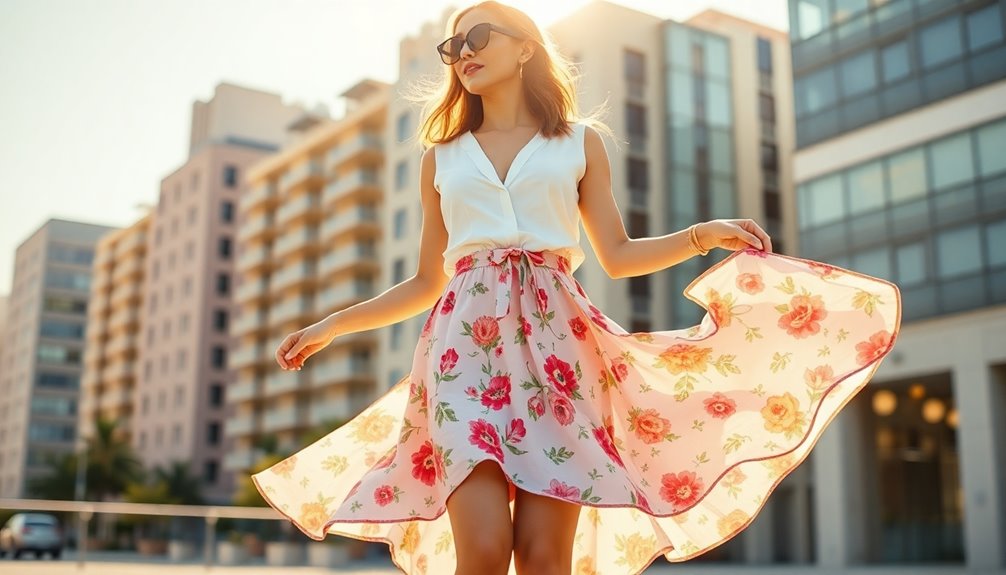
To learn about fashion, start by exploring social media platforms like Instagram and Pinterest for fresh inspiration. Follow influential fashion blogs and magazines to stay updated on trends. Practice your design skills with sewing and sketching, and study pattern making to understand garment construction. Attend local fashion shows for real-world insight, and connect with online communities to share ideas and gain support. Keep a style journal to track your personal evolution. This multifaceted approach will enhance your knowledge and creativity. Stick around to uncover even more valuable resources and insights that can elevate your fashion journey! If you are serious about pursuing a career in fashion, it’s important to build a strong fashion CV. Highlight your relevant skills, experiences, and education in a clear and professional manner. Consider seeking guidance from mentors or career counselors for fashion CV tips to help make your application stand out in the competitive industry. Remember that a well-crafted fashion CV can be a powerful tool in showcasing your potential to prospective employers.
Key Takeaways
- Explore social media platforms like Instagram and Pinterest for diverse fashion inspirations and trends.
- Follow fashion magazines such as Vogue and blogs for industry insights and updates on current styles.
- Engage in practical learning through sewing techniques, pattern making, and draping on a dress form.
- Attend local fashion shows and exhibitions to gain firsthand knowledge and experience in the industry.
- Document your fashion journey with a style journal and connect with online communities for discussions and inspiration.
Fueling Fashion Inspiration
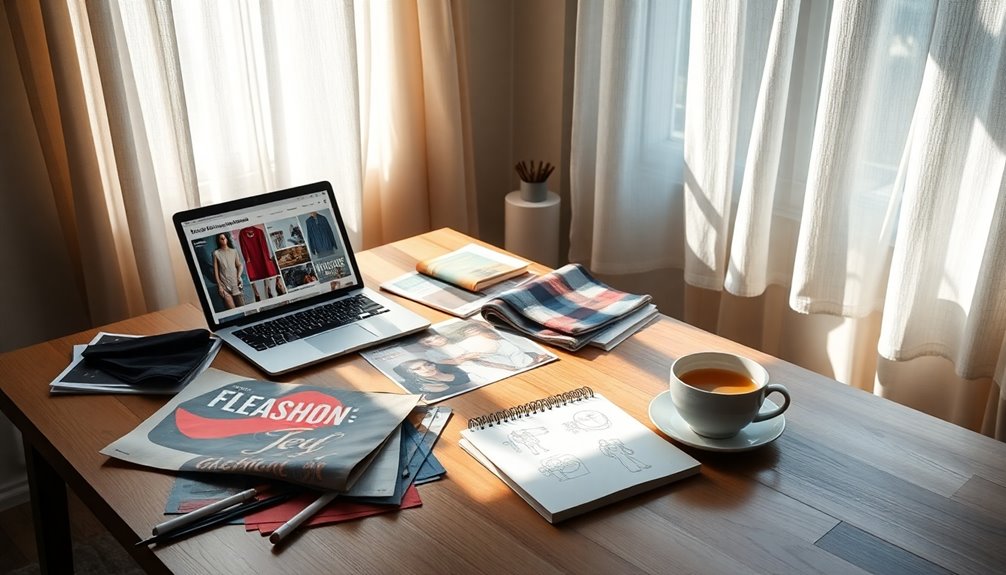
Fashion inspiration can come from a wealth of sources, and tapping into them is essential for developing your unique style. Start by exploring social media platforms like Instagram, TikTok, and Pinterest. You'll find countless accounts showcasing diverse fashion aesthetics, art, travel, and even interior design that can spark your creativity.
Don't forget to follow fashion magazines and blogs to stay updated on the latest trends and industry insights. Engaging with fashion history can provide invaluable context to contemporary styles and help you identify what resonates with you.
People watching is another fantastic way to gather visual inspiration. Take a stroll in parks or local cafés, and observe how people layer their outfits and combine textures.
Runway shows and designer collections are gold mines for fresh ideas, so collect images that resonate with you.
Museums and exhibitions can also offer historical context that enriches your fashion sense. Broaden your perspective by drawing inspiration from literature, art, and architecture.
Nature, music, and the styles of your friends can influence your fashion choices too. Keep an inspiration bank by participating in workshops, visiting local events, and creating a personal sketchbook filled with your ideas.
Developing Design Skills

Creativity thrives in the realm of design, and honing your skills is crucial for transforming ideas into tangible garments. Start by mastering sewing techniques, both hand-sewing and machine sewing. Familiarize yourself with various seams, pockets, zippers, and details across different fabrics. Choosing the right needles, thread, and machine settings is essential for achieving your design vision. Consider taking online lessons to enhance your sewing prowess.
Next, dive into pattern making. Create a complete set of blocks, including straight sleeves and bodices, and learn to draft various styles. Understanding pattern grading will help you adjust designs for different sizes, allowing you to translate your 2D designs into 3D garments effectively. Understanding negative ease is also important for fit, ensuring your designs flatter the wearer's body.
Don't overlook draping, as it's a vital skill. Use a quality dress form and practice with muslin fabric to grasp fabric behavior. Combine draping with pattern making for more cohesive designs.
Lastly, develop your fashion drawing skills. Learn to sketch figures and details, and use croquis for quicker renderings. Practice will help you find your unique style, and consider exploring computer-assisted art programs for digital drawing. With dedication, you'll elevate your design skills in no time.
Building Construction Techniques
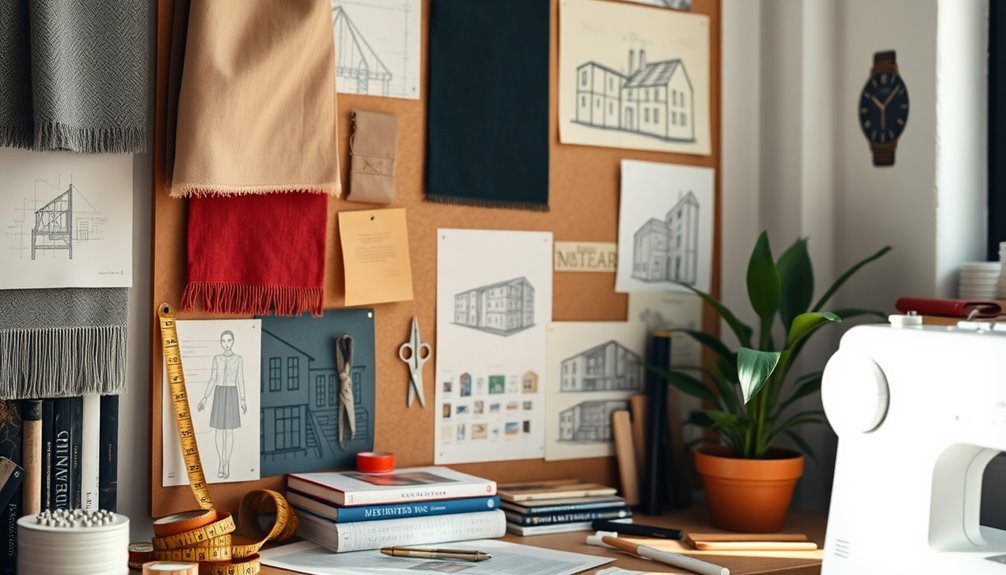
Building construction techniques have evolved significantly over the years, constantly integrating new methods and materials to enhance efficiency and sustainability.
You'll find that precast and prefabricated construction techniques are at the forefront of this evolution. Precast cladding panels, forinstance, serve both aesthetic and load-bearing purposes, being manufactured off-site and transported for easy installation.
Pre-engineered systems speed up the building process, especially for projects featuring repetitive designs. Similarly, twin-wall technology, which involves two precast panels with a void filled on-site, offers durability and efficiency.
Concrete construction methods also stand out. Flat slab construction reinforces floors with heavy-duty columns, while hybrid techniques combine precast elements with in-situ concrete, enhancing structural performance. Additionally, the use of innovative design techniques in fashion design is akin to how modern construction methods are reshaping the building industry.
For framing, timber and heavy steel framing are popular choices, depending on your project's needs. Raft foundations are ideal for soft soil conditions, distributing weight effectively.
Modern innovations like insulating concrete formwork provide excellent thermal insulation, ensuring energy efficiency.
Bringing Designs to Life
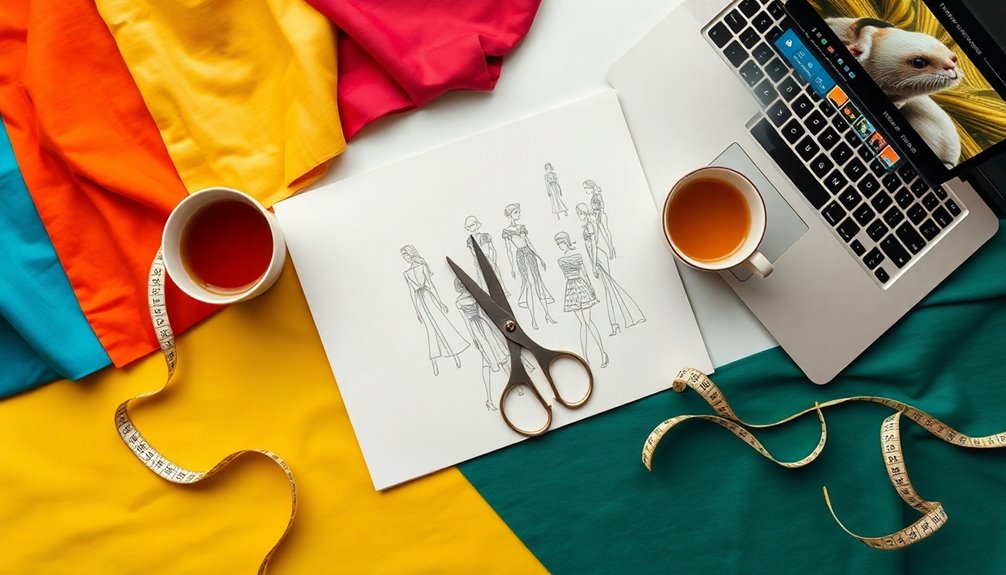
Transforming an idea into a tangible garment requires a blend of artistry and technical skill. Start by conducting thorough research on current fashion trends and market demands. This will shape your design concept and help you define a client profile to target specific demographics.
Next, sketch your ideas using croquis to visualize your designs effectively. Once you have a clear vision, focus on color, print, and pattern design that aligns with your theme. Mood boards can help you gather inspiration and plan complementary accessories.
Creating technical drawings is essential for accurate pattern making. Transfer your patterns onto fabric using tracing wheels and cut them carefully. Make a toile from cheaper material to test your design, checking the fit and construction. Collaborating with fashion design consultants can greatly enhance your design quality.
Select fabrics that suit your design and season, testing for quality and durability. After cutting your final fabric, prepare your trims and closure details.
Finally, sew the garment, adding any embellishments as required. Perform quality control checks, drape, and style the piece, ensuring it meets your design standards. Conduct a final fitting to guarantee a perfect fit before showcasing your creation.
Documenting Your Journey
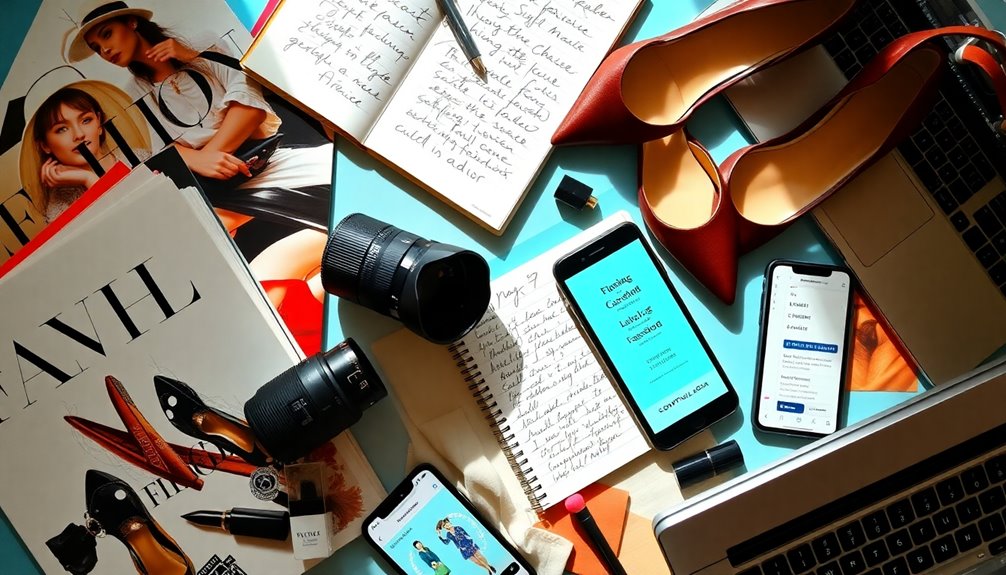
As you navigate your fashion journey, documenting your experiences becomes essential for growth and self-discovery. Start by capturing outfit photos using your smartphone or camera. Organize these images into albums or digital folders for easy access, and consider printing them for a physical album or poster that you can reference visually.
Don't forget to label your photos with dates and descriptions to track your evolution.
Maintaining a style journal is another great method. Note down outfit combinations, inspirations, and even sketches of your ideas. This helps you reflect on past entries and identify patterns in your style choices. Understanding your style evolution is key to recognizing what works for you and what doesn't.
Digital platforms like blogs and social media can further enhance your documentation. Create a blog to analyze your fashion journey and share outfit photos on social platforms. Follow fashion influencers for inspiration and engage with online communities to exchange ideas.
Lastly, host create sessions where you try on different outfits, take photos, and refine your personal style. Regularly review your outfit combinations, incorporating new items into your wardrobe.
This consistent documentation will help you understand your evolving taste and build a wardrobe that truly reflects who you are.
Researching Fashion History

Researching fashion history can deepen your understanding of style and trends, making it an invaluable part of your journey. Start by examining garments closely, noting details and sketching silhouettes to aid identification.
Compare your findings with fashionable items from the same time period, using resources like decade-specific guides or century overview pages to narrow down the era.
Utilize historical resources, beginning with a timeline that highlights the evolution of fashion silhouettes. Visit libraries for in-depth books on fashion history, and scour online blogs and articles from knowledgeable sources.
Pay attention to significant fashion events, such as the rise of Orientalism or the effects of World War I. Understanding the traditional weaving techniques can provide insight into the craftsmanship and cultural significance behind many historical garments.
Analyze the context of each garment, comparing it to contemporary styles and considering its social and cultural background. Identify key designers and assess the materials and techniques used, reflecting on how the garment fits into or challenges societal norms.
Finally, evaluate major fashion trends of the decade, understanding how historical events and cultural movements influenced them. This comprehensive approach will enrich your grasp of fashion history and its ongoing impact on today's styles.
Exploring Current Trends
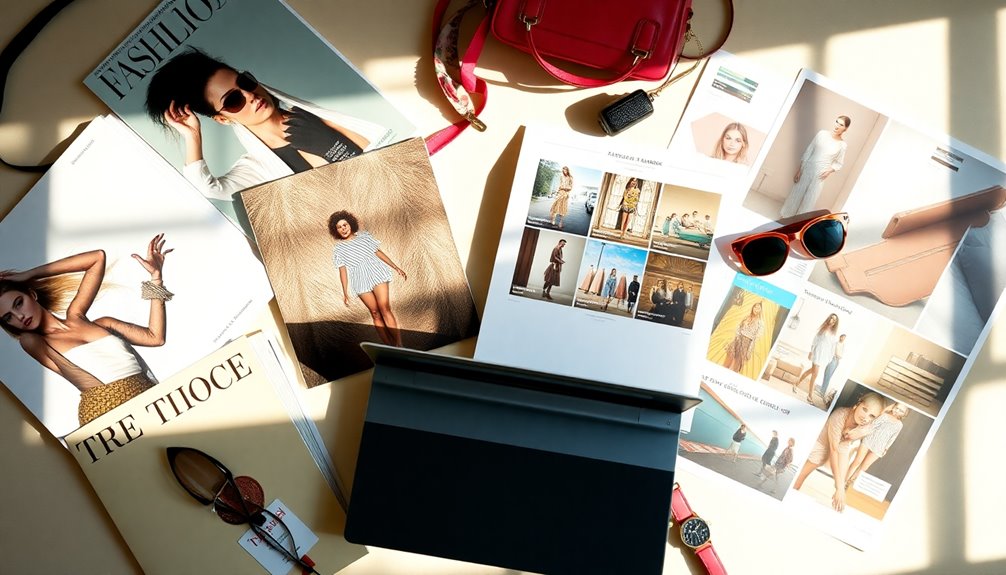
To stay ahead in the ever-evolving world of fashion, you need to immerse yourself in current trends through various channels. Start by subscribing to fashion magazines like Vogue, Harper's Bazaar, and Elle. These publications offer exclusive previews and insider information that can give you a competitive edge.
Follow fashion influencers and designers on social media platforms like Instagram and TikTok; they're often the first to showcase what's hot right now.
Next, attend local fashion shows and exhibitions. Observing designers' work firsthand allows you to network and understand emerging trends. Pay attention to street style during these events, noting the fabrics, colors, and patterns that catch your eye. Be aware of the shift towards versatile and functional pieces, which is becoming a key focus in fashion.
Analyzing social and cultural influences is equally important. Consider how music, art, and current events shape fashion trends. Look for the intersection of these industries and how social movements impact consumer behavior.
Finally, keep an eye on trending styles. Notice the return of fringe, vibrant colors, and relaxed clothing while recognizing the decline of chunky sneakers and skinny jeans.
This approach will keep you well-informed and ready to adapt to the latest trends in fashion.
Utilizing Online Resources
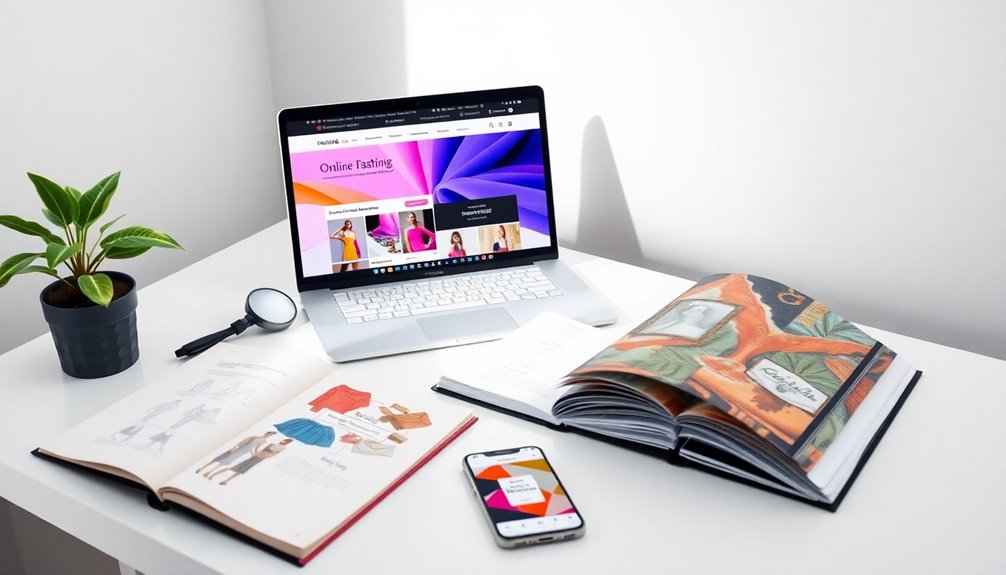
Staying informed about the latest trends sets a solid foundation for your fashion journey, but there's a wealth of knowledge waiting online that can enhance your skills and understanding.
Start by enrolling in online courses on platforms like Coursera, edX, or Skillshare. These courses cover everything from fashion history to design principles, and they're available 24/7, allowing you to study at your own pace. Completing these courses often grants you a digital certificate, showcasing your newfound capabilities.
Don't forget to explore fashion archives and libraries. Use resources like First View to access 25 years of fashion shows and images. Dive into trend forecasting with Li Edelkoort's Trend Union or check out Premiere Vision for fabric research. Additionally, consider utilizing free tutorials and apps that can help you learn basics and explore new techniques.
To refine your design skills, utilize apps like Pret à Template for garment sketches or My Body Model for creating customized templates based on your measurements. Organize your sewing projects with apps like Sew Organized.
Finally, keep yourself updated by following fashion news through magazines like Vogue, blogs, and YouTube channels. These resources not only inspire but also deepen your understanding of the industry.
Connecting With Fashion Communities
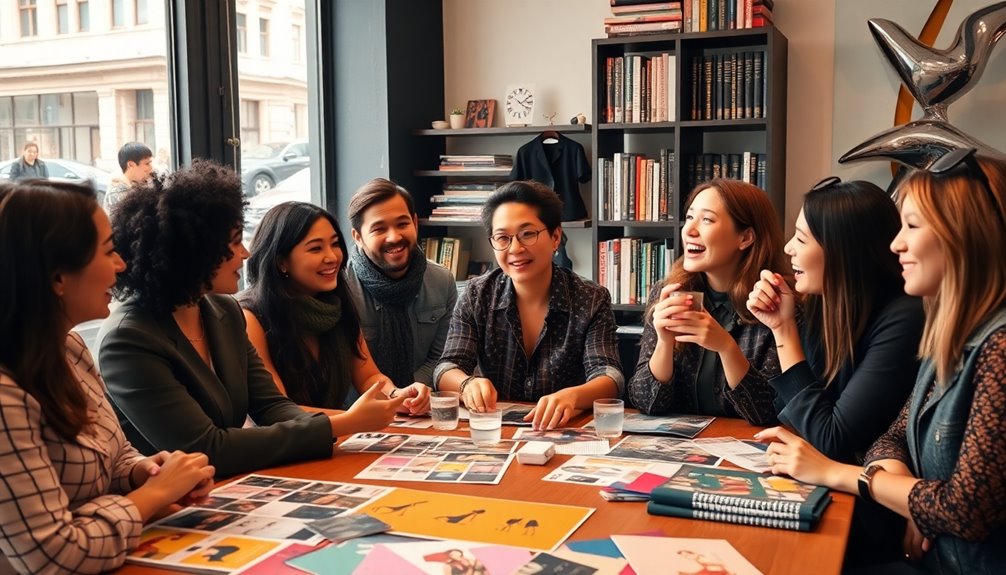
Connecting with fashion communities can significantly enrich your learning experience and provide valuable insights. By joining online fashion forums like The Fashion Spot and Purse Forum, you can engage in discussions about trends, celebrity styles, and shopping tips.
With massive memberships, these platforms promote diversity and are great places to seek advice or share your thoughts. Fashion is a significant focus within these communities, allowing users to connect over shared interests and experiences.
Social media and Discord communities also offer vibrant spaces for interaction. For instance, the Fashion Discord server features outfit battles and style advice, while subreddits like r/femalefashionadvice and r/malefashionadvice host extensive conversations on fashion topics tailored for women and men, respectively.
Additionally, specialized groups such as Vistoya and Vogue Club connect you with industry professionals and emerging designers, fostering inspiration and collaboration.
Networking through LinkedIn's Fashion & Lifestyle Industry Professionals Worldwide group can open doors to career opportunities and valuable insights into the fashion business.
Cultivating Personal Style

Cultivating personal style is an exciting journey that allows you to express your individuality and creativity through fashion. Start by using visual aids, like a Pinterest or mood board, to collect images of outfits that resonate with you. Analyze your favorite outfits to spot common themes in colors, fabrics, and silhouettes. You can also mimic the styles of those you admire, adapting their looks with pieces you already own.
Consider defining your personal style using three words, such as "edgy," "chic," or "comfortable," to guide your future choices. Don't worry about adhering to body shape rules; focus on what you love instead. Experiment by stepping outside your comfort zone—try new colors, styles, and fits. Regularly check in on your style to ensure that it reflects your current preferences and boosts your confidence. Staying informed about current fashion trends can also inspire your choices.
Mix and match existing pieces to discover fresh combinations, and use accessories like scarves and belts to elevate your outfits. Regularly clean out your closet to keep it aligned with your personal style and shop with intention, selecting items that fit your defined aesthetic.
Finally, stay updated on trends and reflect on your style regularly, ensuring it evolves authentically as you do. Enjoy the process of discovering what truly represents you!
Frequently Asked Questions
What Are the Best Fashion Documentaries to Watch for Inspiration?
If you're looking for inspiring fashion documentaries, check out Bill Cunningham New York for a deep dive into street style, or McQueen for a glimpse into Alexander McQueen's genius.
The September Issue offers insights into the fashion industry's biggest publication, while Dior and I showcases the artistic process behind haute couture.
Don't miss Fresh Dressed, which chronicles hip-hop fashion's evolution.
These films will spark your creativity and broaden your understanding of fashion.
How Can I Find a Mentor in the Fashion Industry?
To find a mentor in the fashion industry, start by identifying your specific interests and goals.
Use social media to connect with professionals, engage in industry events, and reach out to your professors.
Look for mentorship programs that align with your aspirations.
Once you find potential mentors, don't hesitate to ask for meetings.
Show your commitment and enthusiasm, and you'll build a valuable relationship that can guide your career in fashion.
What Are Essential Fashion Books for Beginners?
To start your fashion journey, you'll want to explore essential books that lay a solid foundation.
Consider "The Fashion Designer Survival Guide" for practical business insights and "Fashion Design Course" to master design techniques.
For illustration, "Fashion Illustration: Inspiration and Technique" will enhance your skills.
Don't forget "Fashion: The Definitive History of Costume and Style" to understand the evolution of fashion.
These resources will equip you with the knowledge to thrive in the industry.
How Do I Stay Updated on Sustainable Fashion Practices?
To stay updated on sustainable fashion practices, subscribe to credible fashion publications and influencers who focus on sustainability.
Attend industry events, workshops, and webinars to learn from experts and network with like-minded individuals.
Utilize technology, like apps that evaluate brand sustainability, and explore transparent brands that share their practices.
Engage with online communities and follow trends in sustainable materials and innovations to keep your knowledge fresh and relevant.
What Skills Are Most Valuable for a Career in Fashion?
To succeed in fashion, you'll find creativity and innovation are key.
You need strong business and management skills to navigate budgets and profitability.
Communication and interpersonal skills help you build relationships and articulate your brand's vision.
Lastly, analytical and technical skills enable you to make data-driven decisions and use design software effectively.
Conclusion
In conclusion, diving into the world of fashion can be both exciting and rewarding. By fueling your inspiration, honing your design skills, and connecting with others, you'll grow your knowledge and confidence. Don't forget to document your journey and explore current trends to keep your style fresh. With the right resources and a passion for creativity, you'll cultivate a unique personal style that reflects who you are. Embrace the adventure and let your fashion journey unfold!