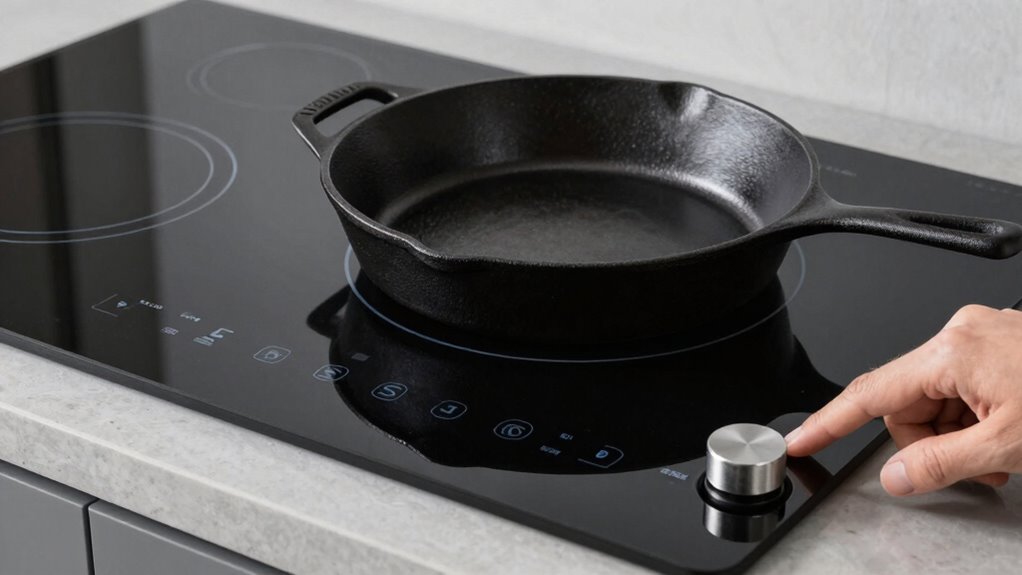

To guarantee your induction cooker heats efficiently, use compatible magnetic cookware like cast iron or certain stainless steels, which interact with the electromagnetic fields. Non-magnetic pans like aluminum or copper won’t work properly and can be unsafe. Proper cookware improves heat control, speeds up cooking, and reduces energy use. For safe and effective use, it’s important to understand what makes cookware induction-compatible. Keep exploring to learn more about optimizing your induction cooking experience.

Get your wardrobe favorites delivered free with Prime
- Fast, free delivery on millions of items
- Prime Video, Amazon Music and more included
- Member-only deals all year
Key Takeaways
- Only magnetic cookware like cast iron and certain stainless steels work effectively with induction cooktops.
- Non-magnetic materials such as aluminum and copper are incompatible unless specially coated or designed.
- Proper cookware contact ensures efficient heat transfer and precise temperature control during cooking.
- Using incompatible cookware can reduce heating efficiency and pose safety risks.
- Maintaining compatible cookware optimizes safety features and enhances overall induction cooking performance.
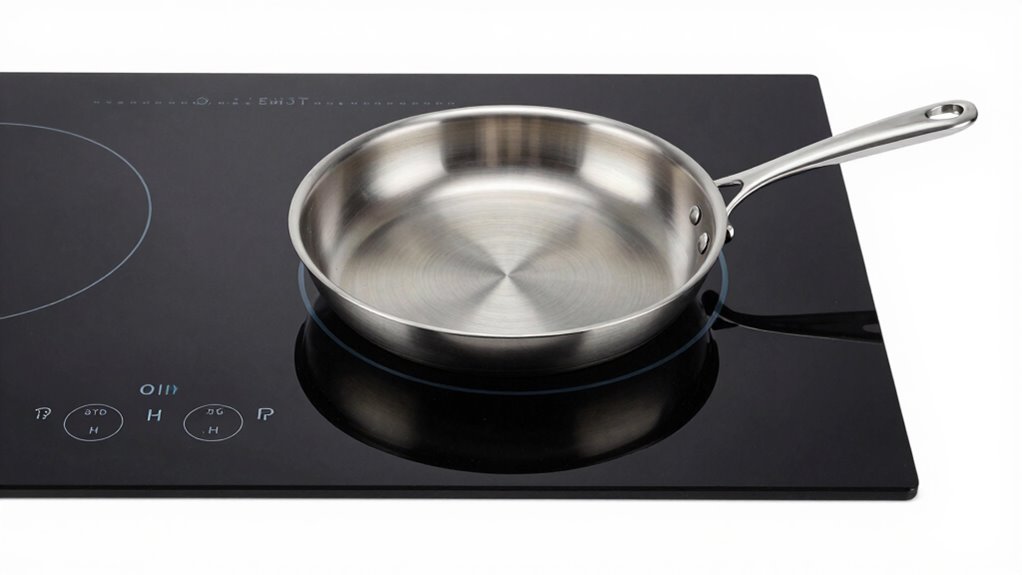
Have you ever wondered how induction cooking works so quickly and efficiently? Unlike traditional methods that rely on open flames or electric coils, induction cooking uses electromagnetic fields to directly heat your cookware. This process is remarkably energy-efficient because it transfers heat directly to the pan, minimizing wasted energy. You’ll notice that induction stoves heat up faster and cool down quickly, giving you more precise control over your cooking. This efficiency isn’t just about speed; it also means you’re using less electricity, which can lower your utility bills and reduce your environmental impact. Plus, because the heat is generated only where the cookware contacts the surface, there’s less heat loss in the process, making induction cooking one of the most energy-efficient methods available today. The electromagnetic field used in induction cooking is carefully designed to ensure safety and efficiency, which is why proper cookware compatibility is so important.
Cookware safety is another vital aspect of induction cooking. Since the cooktop itself remains relatively cool—only the cookware gets hot—you’re less likely to burn yourself or cause accidental fires. This safety feature makes induction stoves especially appealing for households with children or novice cooks. However, it also means you need to be mindful of the type of cookware you use. Only pots and pans made of magnetic materials, like cast iron or certain stainless steels, will work with induction cooktops. Non-magnetic cookware, such as aluminum or copper, won’t activate the electromagnetic field and consequently won’t heat up. Ensuring your cookware is compatible not only guarantees efficient heating but also enhances safety, as you won’t be tempted to use incompatible or unsafe utensils that could pose risks. Understanding cookware compatibility can help you select the best options for your kitchen. Additionally, being aware of induction safety features can help you maximize the benefits of this technology while maintaining a secure cooking environment. Recognizing proper cookware maintenance can also prolong the lifespan of your induction-compatible pots and pans, ensuring reliable performance over time. Being knowledgeable about induction technology can further enhance your cooking experience and safety awareness.
induction compatible cast iron skillet
As an affiliate, we earn on qualifying purchases.
As an affiliate, we earn on qualifying purchases.
Frequently Asked Questions
Can I Use My Cast Iron Skillet on an Induction Stove?
Yes, you can use your cast iron skillet on an induction stove. Cast iron is compatible with induction because it’s magnetic, making it excellent for induction cookware. Just remember to maintain your cast iron properly—keep it seasoned and dry to prevent rust. When cooking, use heat control wisely to avoid hot spots and uneven heating. Overall, your cast iron skillet is a perfect choice for induction cooking, offering durability and reliable performance.
How Do I Adjust Heat Settings for Precise Cooking?
Adjusting your induction stove’s heat is like tuning a musical instrument—you want perfect pitch. To do this precisely, use the temperature calibration feature if available, and start with lower settings. Watch the heat distribution carefully, as it can vary across the surface. Gradually increase or decrease the heat, paying close attention to how your pan responds. This approach helps you achieve accurate, controlled cooking every time.
Are All Stainless Steel Pans Compatible With Induction Cooktops?
Not all stainless steel pans are compatible with induction cooktops. You need to check their magnetic properties, which is key because induction works through magnetic fields. Cookware materials matter—if your stainless steel is magnetic, it’ll work well. To test, see if a magnet sticks to the bottom of your pan. If it does, you’re good to go. Otherwise, consider using a different pan or adding a compatible base.
What Safety Features Are Included in Induction Cooktops?
Imagine you’re cooking with your kids nearby; induction cooktops prioritize safety with features like safety indicators that alert you to hot surfaces, preventing accidental burns. A child lock keeps little hands from changing settings or turning off the stove unexpectedly. These safety features guarantee peace of mind, making induction cooking a safer choice, especially in busy households. You can enjoy your meal knowing safety is built into your cooktop.
How Does Pan Size Affect Induction Cooking Performance?
Using the right pan size is essential for induction cooking performance. If your pan is too small or too large, it affects energy efficiency and heat control. You should choose pans made of ferromagnetic materials like cast iron or stainless steel that match your cooktop’s size for ideal performance. Properly sized pans guarantee even heating, save energy, and give you better control over cooking temperatures.
Conclusion
With induction cooking, choosing the right pan is your key to a smooth culinary journey. Think of your cookware as the bridge that connects your stove’s power to your delicious creations—strong, reliable, and perfectly compatible. When you understand heat control and pan compatibility, you’re steering your kitchen ship with confidence, avoiding the rocky shores of uneven cooking. Embrace this modern marvel, and watch your culinary skills sail smoothly into delicious waters.
Fall Picks
fall essentials
As an affiliate, we earn on qualifying purchases.