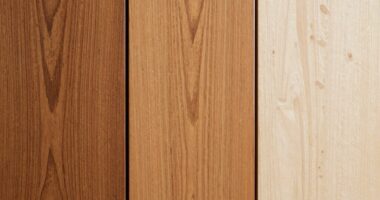
When building furniture, you’ll find that real wood provides natural beauty and durability, making it ideal for statement pieces and lasting items. MDF offers a smooth surface perfect for painting, while plywood provides strength and stability for structural parts. Each material is created through different processes and suits particular uses, with environmental and budget factors to take into account. Curious about how these materials shape furniture design? Keep exploring for a deeper understanding of their unique roles.

Get your wardrobe favorites delivered free with Prime
- Fast, free delivery on millions of items
- Prime Video, Amazon Music and more included
- Member-only deals all year
Key Takeaways
- Real wood is cut from solid logs, showcasing natural grain, and assembled with joinery techniques for durability.
- MDF is manufactured from compressed recycled wood fibers bonded with resin, providing a smooth, paintable surface.
- Plywood is made by layering thin veneer sheets glued at right angles, creating strong, stable panels.
- The manufacturing process influences the furniture’s strength, appearance, and environmental impact.
- Material selection affects how furniture is built, finished, and its suitability for different structural and aesthetic needs.

When choosing materials for furniture or carpentry projects, understanding the differences between real wood, MDF, and plywood is essential. Each offers unique qualities that influence the final product’s appearance, durability, and environmental impact. If eco-friendly options are a priority for you, real wood is often the best choice because it’s renewable and biodegradable when sourced responsibly. Sustainable forestry practices ensure that using real wood minimizes environmental harm. MDF (medium-density fiberboard), on the other hand, is made from recycled wood fibers bonded with resin, which raises concerns about formaldehyde emissions and environmental impact. Plywood, constructed from thin layers of wood veneer glued together, can also be eco-friendly if manufactured with water-based adhesives and sustainable wood sources. So, if environmental impact is on your mind, selecting sustainably harvested real wood or certified plywood might fit your goals better.
Cost comparison plays a significant role in deciding which material to use. Real wood tends to be more expensive upfront due to the quality of the material and the craftsmanship involved. However, its longevity can make it a cost-effective investment over time, especially if you’re aiming for furniture that lasts for generations. MDF is generally more affordable than real wood and plywood, making it attractive for budget-conscious projects. It’s also easy to work with, which can save you money on labor and tools. Plywood falls somewhere in the middle; it’s usually cheaper than solid wood but more expensive than MDF, especially when choosing high-grade variants. The cost difference might influence your decision depending on the scope of your project and your budget constraints. Additionally, understanding the manufacturing process behind these materials can help you make more informed choices based on quality and sustainability. Knowing how these materials are made can also reveal their structural properties and suitability for different types of furniture.
In terms of building furniture, real wood offers unmatched aesthetic appeal, with natural grain patterns and textures that add character to any piece. It’s sturdy and can be sanded and refinished multiple times, extending the life of your furniture. MDF provides a smooth surface ideal for painted finishes but lacks the natural beauty of real wood. It’s less durable when exposed to moisture, which can cause swelling or warping. Plywood combines strength and stability, making it suitable for structural parts or larger surfaces. Its layered construction makes it less prone to warping than MDF but might not display the same rich look as solid wood. Ultimately, your choice depends on what’s most important to you—whether it’s environmental considerations, budget, or aesthetic preferences—and understanding these differences allows you to build furniture that suits your needs best. Additionally, awareness of sustainable forestry practices can help ensure your material choices support environmental conservation efforts.
As an affiliate, we earn on qualifying purchases.
Frequently Asked Questions
How Do Different Woods Affect Furniture Durability?
Different woods impact furniture durability based on grain patterns and wood treatments. Hardwoods like oak or maple, with tight grains, resist dents and warping better, making your furniture last longer. Softwoods like pine are more prone to damage but can be treated with sealants and finishes to boost durability. The choice of wood treatment, such as staining or sealing, further protects the wood, influencing how well your furniture withstands daily use.
Are There Eco-Friendly Options Within MDF or Plywood?
Did you know that sustainable materials make up around 10% of the global wood market? Eco-friendly options within MDF and plywood do exist, like those made from recycled wood fibers or responsibly sourced veneers. Look for certifications such as FSC or GREENGUARD to guarantee you’re choosing eco-friendly options. These sustainable materials not only reduce environmental impact but also help you create stylish, environmentally conscious furniture.
What Maintenance Is Required for Each Material?
You need to regularly clean your furniture to maintain its finish. For real wood, use furniture finishing products and occasionally apply material staining to keep it looking vibrant. MDF needs gentle cleaning and avoiding excess moisture, as it can swell. Plywood requires similar care, but its layered structure resists warping better. Periodic dusting and avoiding harsh chemicals help each material stay durable and attractive over time.
How Does Cost Vary Between Real Wood, MDF, and Plywood?
You’ll find real wood generally costs the most, reflecting its natural beauty and durability. MDF tends to be the most affordable, thanks to its engineered nature, while plywood falls somewhere in between, offering a balance of cost and strength. In a cost comparison, material pricing varies considerably: real wood commands premium prices, MDF is budget-friendly, and plywood provides a versatile, cost-effective option for many furniture projects.
Can These Materials Be Recycled or Reused Effectively?
You can recycle or reuse real wood, MDF, and plywood, but recycling challenges vary. Real wood is easiest to repurpose due to its natural fibers and durability. MDF recycling is complex because of adhesives and resins, limiting its reuse potential. Plywood offers good reuse potential, especially when parts are salvaged. To maximize sustainability, consider donating or repurposing furniture, but be aware of the recycling limitations associated with each material.
Conclusion
When choosing between real wood, MDF, or plywood, remember each has its strengths. Sure, MDF might seem less durable, but it’s perfect for smooth finishes and budget-friendly projects. Don’t dismiss plywood either — it offers strength and versatility. Ultimately, your decision hinges on your needs and expectations. So, don’t let misconceptions hold you back; with the right choice, you’ll create furniture that lasts and looks great. Trust your project’s purpose, and go for what fits best!
Columbus Day / Indigenous Peoples' Day Picks
long weekend sales
As an affiliate, we earn on qualifying purchases.