
Coco Chanel disrupted fashion by rejecting stiff corsets and heavy fabrics, making comfort a priority without sacrificing style. She popularized the iconic little black dress and launched Chanel No. 5, transforming femininity and luxury. Using celebrities like Greta Garbo to promote her designs, she shifted fashion from exclusivity to empowerment. Her bold innovations still influence style today. To discover more about her trailblazing moments that forever changed fashion, keep exploring her groundbreaking legacy.
Key Takeaways
- Challenged restrictive corsets and heavy fabrics, prioritizing comfort and practicality in women’s fashion.
- Popularized the iconic “little black dress,” redefining femininity and simplicity.
- Dressed celebrities like Marlene Dietrich, using star power to elevate her brand and democratize fashion.
- Introduced the groundbreaking Chanel No. 5 perfume, blending luxury with modernity.
- Innovated with new textiles and fabric techniques, pushing design boundaries and setting industry trends.

Have you ever wondered what truly set Coco Chanel apart from her contemporaries? It wasn’t just her impeccable sense of style or her knack for reinventing fashion; it was her ability to challenge the status quo and redefine what elegance meant. Chanel’s influence extended beyond the runway into the sphere of haute couture, where her innovative designs broke traditional rules. She believed fashion should be comfortable, functional, and accessible, not restricted by stiff corsets or heavy fabrics. This mindset was revolutionary at a time when women’s fashion was still bound by rigid conventions. By introducing simpler, more practical clothing, Chanel transformed haute couture from something ornate and exclusive into a movement that celebrated freedom and individuality.
Her rule-breaking didn’t stop there. Chanel understood the power of celebrity influence long before it became a marketing strategy. She cleverly dressed icons of her era, like Marlene Dietrich and Greta Garbo, elevating her designs into symbols of glamour and rebellion. These celebrities didn’t just wear Chanel—they became walking advertisements, shattering the idea that high fashion was only for the elite. Chanel’s strategic use of celebrity influence helped democratize fashion, making her designs desirable across different social classes. She understood that a star’s endorsement could propel her brand to new heights and that her clothes could carry a message of independence and modernity. This approach was a bold departure from the traditional, aristocratic roots of haute couture, which often kept its influence confined within exclusive circles.
Chanel also broke conventions by popularizing items that had previously been considered unconventional or even scandalous. She introduced the iconic little black dress and Chanel No. 5 perfume, both of which challenged societal norms and became timeless symbols of sophistication. These creations weren’t just fashion statements—they were rule-breaking moments that redefined femininity and luxury. Her ability to blend simplicity with elegance made her a trailblazer who understood that fashion could be a form of personal expression and rebellion. Additionally, her innovative use of color accuracy in her designs ensured her creations looked fresh and modern on every woman. Her groundbreaking approach to fabric selection and design techniques further solidified her reputation as a visionary who disrupted traditional standards of fashion. Her innovative methods often involved experimenting with new textiles and fabric manipulation, which helped her push the boundaries of conventional design and set new trends. Chanel’s fearless approach to design and marketing helped her carve out a unique space in the fashion industry, one that continues to inspire designers and disrupt norms even today. In doing so, she proved that breaking the rules isn’t just about defiance—it’s about creating something revolutionary that endures.
Frequently Asked Questions
How Did Coco Chanel Influence Men’s Fashion Trends?
You might not realize it, but Coco Chanel notably influenced men’s fashion trends by embracing masculine aesthetics and challenging traditional gender norms. She introduced tailoring innovations, such as comfortable, functional suits and jersey fabrics, that blurred gender lines. By incorporating these elements into her designs, you can see how she made men’s fashion more versatile and stylish, inspiring both men’s and women’s fashion to become more relaxed and modern.
Were There Any Controversies Surrounding Chanel’s Personal Life?
Think of her personal life like a stormy sea, unpredictable and full of surprises. You’ll find that Coco Chanel faced personal scandals and romantic controversies that often made headlines, sparking debates about her morals and character. Her relationships, some considered scandalous for her time, added to her allure but also drew criticism. Despite this, her boldness in both fashion and life cemented her reputation as a revolutionary, not just in style but in personal bravado.
What Awards or Recognitions Did Chanel Receive During Her Career?
You might be interested to know that Coco Chanel received numerous fashion awards and industry honors during her career. She was celebrated for revolutionizing style, earning accolades like the Neiman Marcus Award in 1957, which recognized her influence on fashion. These awards highlight her impact, as she broke conventions and set new standards. Her legacy continues to inspire designers today, cementing her status as a true fashion icon.
How Did Chanel’s Designs Impact Luxury Branding Strategies?
You might not realize it, but Chanel’s designs revolutionized luxury branding and marketing innovation. Her bold choices transformed how brands connect with consumers, emphasizing simplicity, elegance, and timelessness. By breaking conventions, she created a powerful identity that set her apart. This impact persists today, inspiring luxury brands to focus on authenticity and storytelling, making Chanel a blueprint for success in high-end marketing strategies.
Did Chanel Face Any Significant Setbacks or Failures?
You’ll find that Chanel faced some setbacks in the fashion industry, especially during World War II when her brand’s reputation was challenged. Personal hardships, like her strained relationships and the war’s impact, affected her career. Despite these obstacles, she persisted, reshaping her brand and influencing fashion. Her resilience shows that even in tough times, groundbreaking designers can overcome setbacks to leave a lasting legacy.
Conclusion
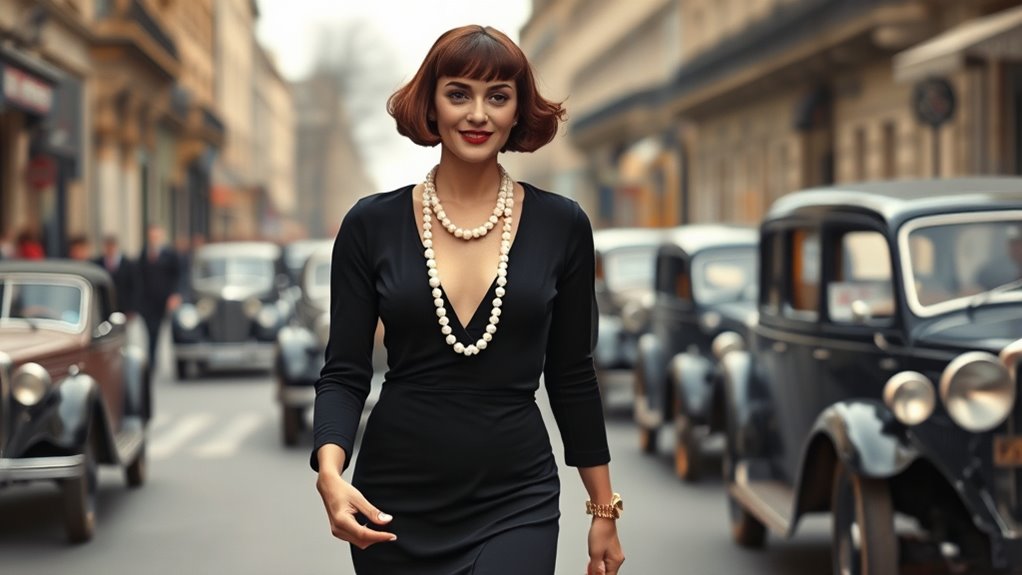
As you reflect on Coco Chanel’s daring moments, it’s almost like fate brought her breakthroughs at just the right time. Her bold choices, from freeing women’s fashion to challenging societal norms, reshaped the industry. You can imagine her crossing a busy Paris street, unbothered by convention, knowing her vision would change everything. In those unexpected twists of history, Chanel’s rule-breaking moments remind you that true innovation often comes when you least expect it.