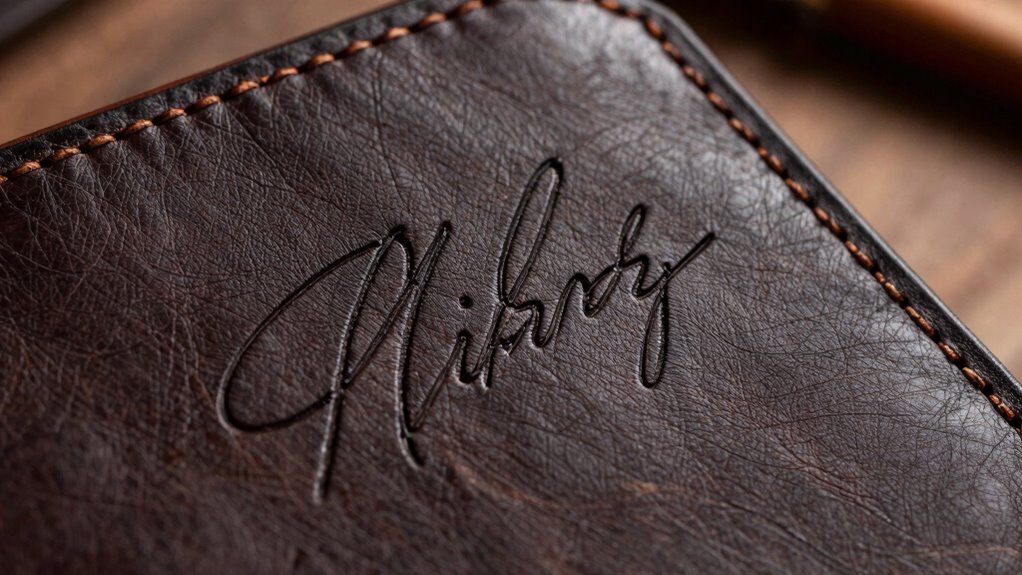

When you look for craftsmanship signatures, focus on unique marks like signatures, hallmarks, or stamps that show real skill. These details often reveal the artisan’s personal touch and indicate careful effort. Look for uneven stitches, subtle color variations, or handmade imperfections that prove authenticity. Authentic signatures add character and elevate the piece from ordinary to special. Keep exploring, and you’ll uncover even more ways these marks tell the story of true quality.

Get your wardrobe favorites delivered free with Prime
- Fast, free delivery on millions of items
- Prime Video, Amazon Music and more included
- Member-only deals all year
Key Takeaways
- Authentic craftsmanship signatures include hallmarks, signatures, or stamps that indicate manual effort and skill.
- Unique details like uneven stitches or subtle color variations reveal human involvement and craftsmanship.
- Signatures often serve as proof of origin, craftsmanship, and authenticity, increasing a piece’s perceived value.
- Recognizing the tools and techniques used in markings helps distinguish genuine handcrafted items from imitations.
- Appreciating signatures fosters a deeper connection to the artisan’s story, effort, and personal touch.
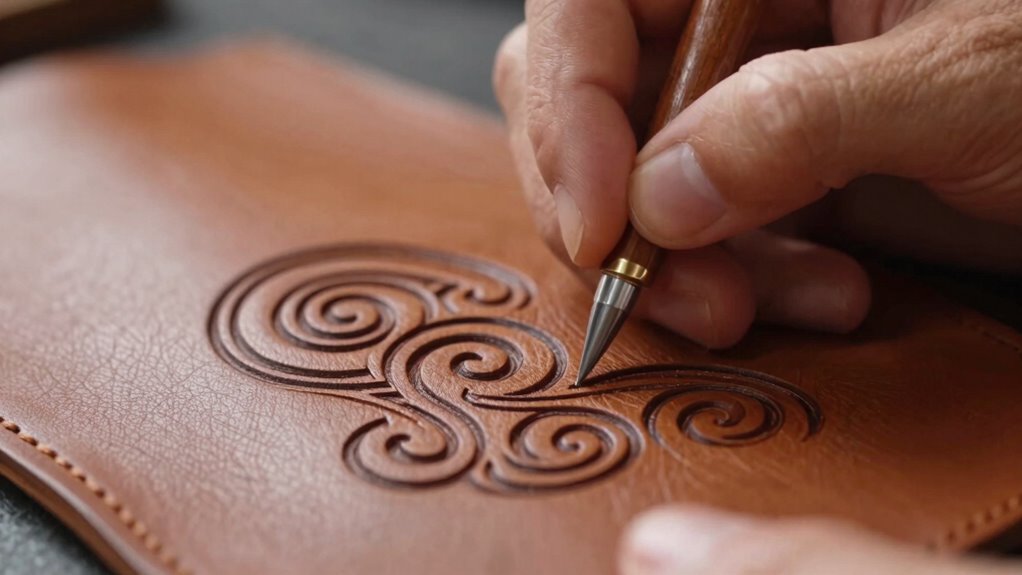
Have you ever noticed how some handcrafted items seem to carry a unique mark of their creator? It’s as if each piece whispers its story through subtle details that set it apart from mass-produced equivalents. These details are often rooted in the craftsperson’s mastery of handcrafted techniques, which involve more than just following a pattern—they require skill, patience, and an eye for detail. When you look closely, you’ll see that each stroke, stitch, or carve reflects the artisan’s personal touch. These handcrafted techniques create a depth and character that machine-made items simply can’t replicate.
Handcrafted items bear subtle details and personal touches that showcase true artistry and authenticity.
What truly signals authentic quality are the authentic markings embedded in the piece. These markings aren’t random or superficial; they’re deliberate indicators of craftsmanship. For jewelry, it might be a tiny hallmark or signature engraved into the metal, revealing the artisan’s identity or the workshop’s reputation. For pottery, it could be a hand-painted signature or a unique stamp pressed into the clay before firing. Leather goods might feature hand-stitched seams or embossed logos that showcase the skill involved. These authentic markings serve as proof that the item was crafted with care, not mass-produced by machines. They also help you trace the piece back to its origin, giving you confidence in its authenticity and value.
Recognizing craftsmanship signatures involves keen observation. You’ll learn to spot the uneven, yet intentional, stitches on a handcrafted bag or the subtle variations in color and texture on a handmade ceramic. These imperfections aren’t flaws; they’re evidence of human involvement and attention to detail. In fact, understanding the importance of authenticity can deepen your appreciation for handcrafted items. Authentic markings are often created using specific tools or techniques that add to the uniqueness of each piece, making it easier to distinguish genuine craftsmanship from imitation. Developing an eye for craftsmanship signatures allows you to better appreciate the skill, effort, and personal expression behind each item. When you see authentic markings—like a stamped signature on a metal piece or a hand-scribed date—you understand that someone took the time to add that personal touch. This is what elevates an object from ordinary to a true work of art.
Ultimately, your appreciation for craftsmanship signatures deepens as you become more familiar with handcrafted techniques and authentic markings. You start to value the skill, effort, and personality poured into each piece. Whether it’s jewelry, pottery, textiles, or leather, these markers connect you to the artisan’s story. They remind you that behind every quality handcrafted item is a person’s dedication to their craft—an enduring signature of genuine craftsmanship.
handcrafted jewelry with hallmarks
As an affiliate, we earn on qualifying purchases.
As an affiliate, we earn on qualifying purchases.
Frequently Asked Questions
How Can I Distinguish Genuine Craftsmanship Signatures From Counterfeit Marks?
To spot genuine craftsmanship signatures, you look for branding inconsistencies and signs of signature evolution. Authentic marks are usually consistent across pieces but might show subtle evolution over time, reflecting the artisan’s growth. Counterfeit marks often have irregularities, misspellings, or inconsistent placement. Pay close attention to the details, compare with verified examples, and trust expert evaluations to distinguish real signatures from fakes effectively.
Are Craftsmanship Signatures Consistent Across Different Artisans or Regions?
You’ll find that craftsmanship signatures do vary, influenced by artistic styles and cultural influences. While some artisans favor unique, recognizable marks, others adapt to regional traditions, creating subtle differences. These signatures reflect local history and personal flair, making them less uniform across regions or artisans. So, if you pay close attention to these details, you’ll appreciate the rich diversity and authentic touches that each creator brings to their work.
Do All High-Quality Products Feature Clear Craftsmanship Signatures?
Not all high-quality products feature clear craftsmanship signatures. While many artisans incorporate signature elements to showcase branding consistency, others may evolve their signatures over time, reflecting their growth and style changes. You should look for subtle details or unique marks that signal genuine quality, but remember, absence of a signature doesn’t necessarily mean lower quality. Authentic craftsmanship often speaks through meticulous details rather than overt branding.
How Do Craftsmanship Signatures Develop Over an Artisan’s Career?
You might notice a signature evolution as an artisan’s career unfolds, revealing their growing mastery. Early on, apprentice marks and rough details hint at their training stage. Over time, these signatures refine into confident, unique marks that showcase their developing style. Each piece becomes more than just craftsmanship—it’s a signature of experience, passion, and mastery, making it clear that the artisan’s signature evolves with their skill and confidence.
Can Craftsmanship Signatures Be Intentionally Altered or Hidden?
Yes, craftsmanship signatures can be intentionally altered or hidden through hidden markings or intentional distortions. You might find artisans deliberately obscure their signatures with subtle modifications or conceal them using hidden markings, making it harder to identify their work. This practice can serve to protect their identity or add a layer of mystery. However, genuine craftsmanship often reveals authentic signatures that, even if altered, still reflect the artisan’s skill and intent.
Conclusion
When you spot those subtle craftsmanship signatures, you’re gazing at the heartbeat of true quality—like uncovering a hidden treasure in a sea of mass-produced goods. These details whisper stories of dedication, artistry, and passion, transforming an ordinary item into a timeless masterpiece. Trust your instincts and cherish these signatures; they’re the footprints of artisans who pour their soul into every detail. In a world of fleeting trends, real craftsmanship endures—beautiful, authentic, and forever inspiring.
Evergreen bestsellers Picks
bestsellers
As an affiliate, we earn on qualifying purchases.