TL;DR

Get your wardrobe favorites delivered free — and shop member deals
- Fast, free delivery on millions of items
- Access to Prime Big Deal Days deals on October 6–7
- Prime Video, Amazon Music and more included
Parfums Christian Dior has recommitted to its partnership with the World Wildlife Fund for three years, continuing conservation work that now supports pumas in Chile through its Sauvage fragrance brand. WWF Chile’s projects include tracking puma movements, protecting habitat connectivity and helping reduce conflict between the cats and livestock owners. The funding amount and detailed targets for the renewed term were not disclosed in the report.
Parfums Christian Dior has renewed its partnership with the World Wildlife Fund (WWF) for three years, extending support for wildlife conservation projects that now include pumas in Chile. The collaboration, linked to Dior’s Sauvage fragrance, backs work on puma monitoring, habitat connectivity and reducing conflict with livestock owners, according to an Esquire report from a visit to Patagonia.
Dior began supporting WWF in 2023 and has recommitted for another three years, Cécile Lochard, Parfums Christian Dior’s global sustainability director, told Esquire. The report did not state the partnership’s financial value or provide a detailed schedule of spending for the renewed period.
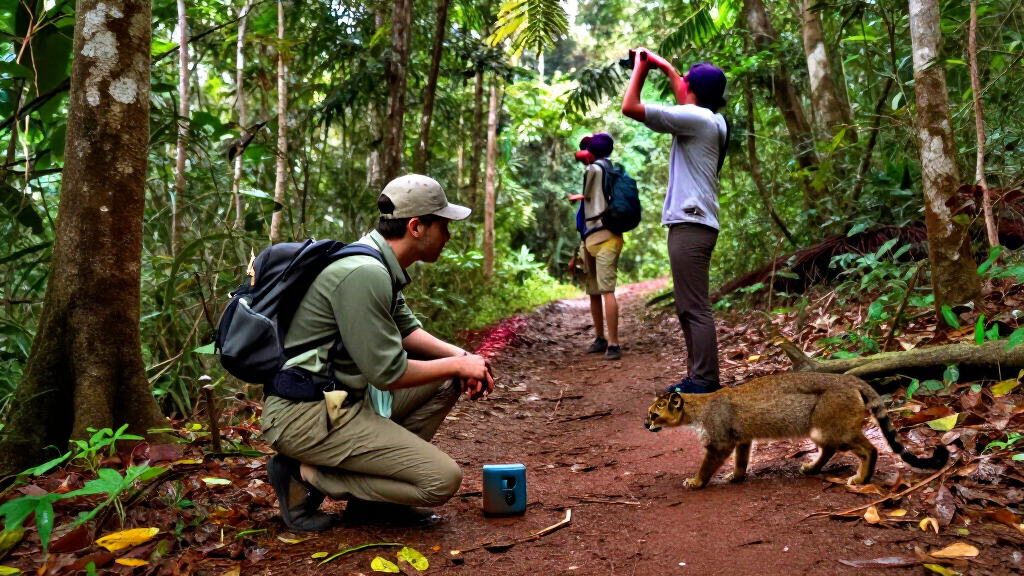
The puma program described in the report combines conservation research with measures intended to help people and wildlife coexist. Dior has funded GPS collars designed to release themselves and cameras used to track pumas without disturbing them. WWF Chile also works on keeping habitats connected so the animals can move between protected areas, and on practical education for livestock owners, including stronger fencing, deterrents and specially trained guard dogs.
WWF Chile’s work takes place in a country where pumas are illegal to hunt or kill, except in self-defense, according to the report. Even so, conflict can arise when the cats prey on livestock. The report says pumas are classified as near threatened in Chile, making monitoring important, while also noting that their status and pressures can vary across their broad range in the Americas.
Puma Protection Reaches Beyond One Species
Pumas are apex predators, and conservation of their populations can affect the wider ecosystems in which they live. Liliana Ortiz Tolhuysen, WWF Chile’s strategy, science and innovation manager, told Esquire that pumas help regulate herbivore behavior and numbers, which can support vegetation. Their role makes the species relevant not only to wildlife monitoring but also to broader biodiversity efforts.
The partnership also connects a major consumer brand with conservation work that can be difficult to fund and explain to a broad public. Dior says the collaboration is part of its sustainability approach to Sauvage, while WWF’s work includes practical field measures rather than relying on brand messaging alone. The reported activities—tracking animals, preserving movement routes and reducing livestock losses—address different pressures on pumas and the people who share their territory.
For readers, the renewal is a concrete commitment, but not enough information is available to measure its scale or results. The report does not disclose funding totals, project targets or an independent assessment of impact. The partnership’s significance should therefore be judged against progress reported from the conservation work, not solely its presence in a fragrance campaign.
As an affiliate, we earn on qualifying purchases.
From Lynx Projects to Chilean Pumas
The puma is the latest species in a series of conservation projects associated with Dior and WWF. According to Lochard, earlier work involved the lynx in France, followed by the jaguar in Mexico and the United States, before the partnership moved to pumas in Chile. She said Dior asked WWF to identify vulnerable or endangered species rather than selecting one in advance.
Lochard, who previously worked at WWF in corporate partnerships, told Esquire that conservation partnerships take time to develop and must fit both the conservation work and the company’s public communication. She described the puma project as a match for Sauvage’s nature-focused identity, while saying the big-cat association in the brand’s history was not the reason for selecting the species.
Pumas range across much of the Americas, from Canada to southern Chile, according to the report. That distribution makes connected habitat important: roads, development and separated protected areas can limit movement. WWF Chile’s described work pairs that landscape-level concern with local measures to limit clashes between predators and livestock.
““It takes three years on average to develop a product, and it was like that with WWF too.””
— Cécile Lochard, Parfums Christian Dior
Funding and Measurable Results Not Detailed
The Esquire report does not specify how much Dior is contributing under the renewal, how funds will be divided among projects or which measurable targets WWF and Dior have set for the next three years. It also gives no evaluation showing how much the previous support changed puma numbers, habitat connectivity or livestock losses.
The report describes pumas as near threatened in Chile and discusses pressures there; it does not establish that the same status applies throughout the species’ range. The degree to which the described projects have already been implemented, and how results will be published, is also unclear. Dior and WWF’s public statements beyond the reported comments were not included in the supplied material.
Tracking Progress Through the Renewal
The renewed partnership is set to continue for three years. During that period, the work described by WWF Chile includes monitoring puma movements, supporting habitat connectivity and sharing ways for livestock owners to reduce conflict. The report does not identify a public reporting timetable or a specific next milestone.
Further details that would clarify the renewal’s impact include the amount committed, project locations, targets for collars and cameras, and data on changes in livestock losses or puma movement. Until those figures are available, the confirmed development is the extended commitment and the conservation activities described by the organizations’ representatives—not a quantified outcome.
Key Questions
What did Dior and WWF announce?
Parfums Christian Dior renewed its WWF partnership for three years, continuing conservation support that includes puma projects in Chile and is associated with the Sauvage fragrance brand.
What work is the partnership supporting?
The report describes GPS collars, camera monitoring, habitat connectivity efforts and education for livestock owners. Practical measures include stronger fences, deterrents and trained guard dogs to help protect livestock.
Why are pumas a conservation focus?
WWF Chile describes pumas as apex predators with an important ecological role. Their effects on herbivore behavior and numbers can influence vegetation and other parts of the ecosystem.
How much money is Dior providing?
The Esquire report does not give a funding amount or a breakdown of how support will be allocated during the renewed three-year term.
Are the results of the partnership known?
The report lists conservation activities but does not provide measured outcomes or independent results for the earlier partnership or targets for the new term. Dior and WWF have not been described as publishing a specific progress schedule in the material provided.
Source: rss
Halloween Picks
halloween
As an affiliate, we earn on qualifying purchases.