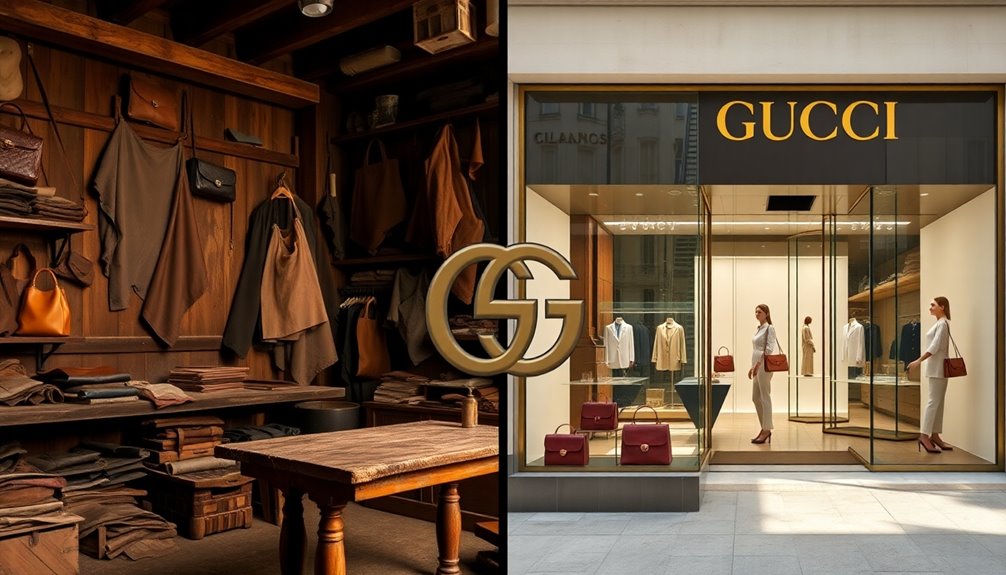

Quiet luxury and minimalism both showcase understated elegance, but they differ in their core values. Quiet luxury focuses on refined craftsmanship, timeless design, and exclusivity, signaling confidence without overt logos. Minimalism emphasizes simplicity, practicality, and reducing excess, often highlighting functionality over status. If you want to understand how these styles convey identity differently and what sets them apart, there’s more to discover about their unique philosophies and aesthetics.
Key Takeaways
- Quiet luxury emphasizes exclusivity, craftsmanship, and heritage, while minimalism focuses on simplicity and functional design.
- Quiet luxury relies on quality details and timeless appeal, whereas minimalism prioritizes reducing clutter and ornamentation.
- Quiet luxury communicates confidence through refined taste without visible logos, unlike minimalism’s emphasis on practicality.
- Quiet luxury aligns with sustainable, ethically crafted products, while minimalism emphasizes efficiency and reducing excess.
- Both styles value longevity, but quiet luxury aims for understated elegance, and minimalism for straightforward functionality.
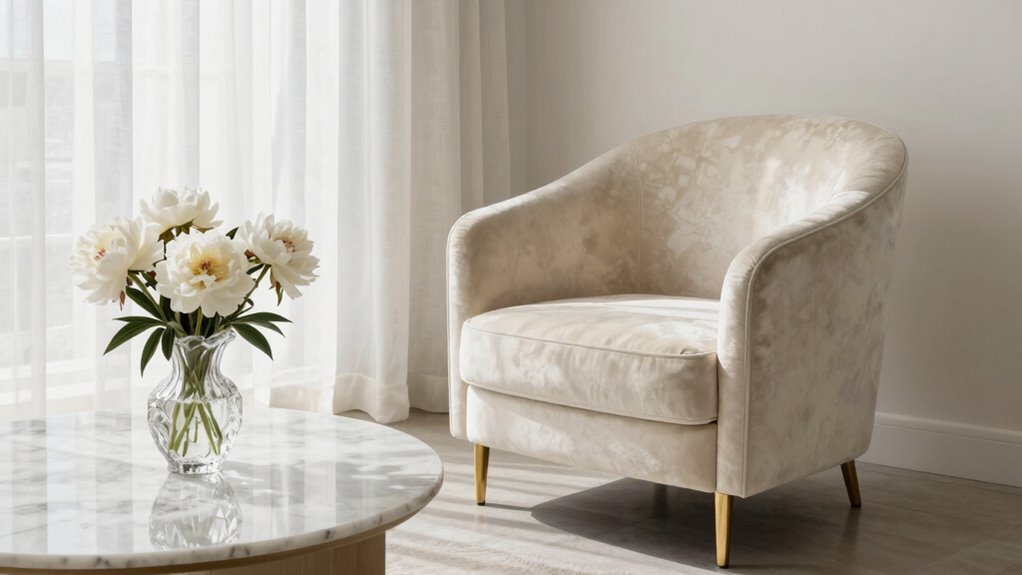
In the world of interior design and fashion, the debate between quiet luxury and minimalism often arises, as both styles emphasize simplicity but differ in their underlying philosophies. When you look at these aesthetics, you might think they’re interchangeable because they share clean lines and understated elegance. However, understanding their differences helps you craft a unique environment or wardrobe that truly reflects your personality. Quiet luxury is rooted in a subtle, sophisticated approach that emphasizes quality, craftsmanship, and exclusivity. It’s about investing in timeless pieces with refined details that whisper rather than shout. Your brand identity, in this context, becomes associated with understated elegance and a sense of exclusiveness that appeals to a discerning consumer perception. People who gravitate toward quiet luxury often perceive it as a symbol of status without overt branding, relying on the quality and heritage of the items rather than bold logos. It’s a style that suggests confidence and a refined taste, making it ideal for those who want to communicate a sense of quiet confidence. Additionally, quiet luxury often aligns with biodiversity and conservation principles by emphasizing sustainable, ethically crafted products that respect the environment. Recognizing the importance of sustainable fashion can further distinguish quiet luxury from other styles. Moreover, quiet luxury often involves timeless design principles that ensure pieces remain relevant across seasons and trends, emphasizing longevity over fleeting fashion trends. This focus on durability and classic appeal helps reinforce the long-term value associated with quiet luxury. Incorporating eco-friendly materials into the design process not only enhances the appeal of quiet luxury but also supports environmentally conscious practices.
As an affiliate, we earn on qualifying purchases.
Frequently Asked Questions
How Does Quiet Luxury Influence Sustainable Fashion Choices?
Quiet luxury influences your sustainable fashion choices by encouraging you to select eco-friendly fabrics and prioritize ethical manufacturing. It promotes investing in timeless, high-quality pieces that last longer, reducing waste. You become more mindful of the environmental and social impact of your wardrobe, supporting brands that focus on transparency and sustainability. This approach helps you build a refined, yet responsible wardrobe aligned with your values, making mindful choices that benefit both the planet and artisans.
Can Minimalism Be Considered a Form of Quiet Luxury?
Yes, minimalism can be a form of quiet luxury, especially when you consider that 85% of consumers prefer understated designs over flashy branding. While luxury branding emphasizes subtlety and exclusivity, minimalism’s clean aesthetic aligns with quiet luxury’s refined elegance. The key distinction lies in aesthetic preferences—minimalism’s simplicity often embodies the understated sophistication that defines quiet luxury, making them closely related yet distinct in style and intent.
What Are Common Misconceptions About Quiet Luxury?
A common misconception about quiet luxury is that it’s plain or lacks style, but it’s actually about understated elegance through subtle details and quality craftsmanship. You might think it’s just about expensive branding, but it’s more about choosing pieces with timeless appeal and refined simplicity. Quiet luxury emphasizes discreet sophistication, steering clear of flashy logos, and focuses on meaningful, well-made items that exude effortless elegance.
How Do Personal Values Shape Each Aesthetic?
Your personal values profoundly influence how you embody each aesthetic. If authenticity matters to you, you’ll prioritize genuine personal expression over trends, shaping an aesthetic rooted in authenticity. Quiet luxury often reflects values like understated elegance and exclusivity, aligning with your desire for subtlety. Minimalism, meanwhile, emphasizes simplicity and practicality, mirroring values of clarity and focus. Your core beliefs guide your choices, making each aesthetic uniquely authentic to your identity.
Are There Specific Brands Known for Quiet Luxury Versus Minimalism?
You’ll find that brands like The Row and Loro Piana are known for quiet luxury, emphasizing exclusive branding and subtle elegance. They focus on high-quality materials and understated designs that whisper rather than shout. Meanwhile, brands like COS and Everlane embody minimalism with clean lines and functional aesthetics. Each appeals to different tastes, so picking your favorite depends on whether you prefer discreet opulence or pared-down simplicity.
Conclusion
In the end, quiet luxury and minimalism are like two different melodies playing softly in the same room. Quiet luxury whispers sophistication through subtle details, while minimalism sings through clean lines and simplicity. Both styles invite you to appreciate understated elegance, but they do so with distinct notes. By understanding their differences, you can choose the tune that resonates most with your personal style—making your fashion choices truly your own symphony of elegance.