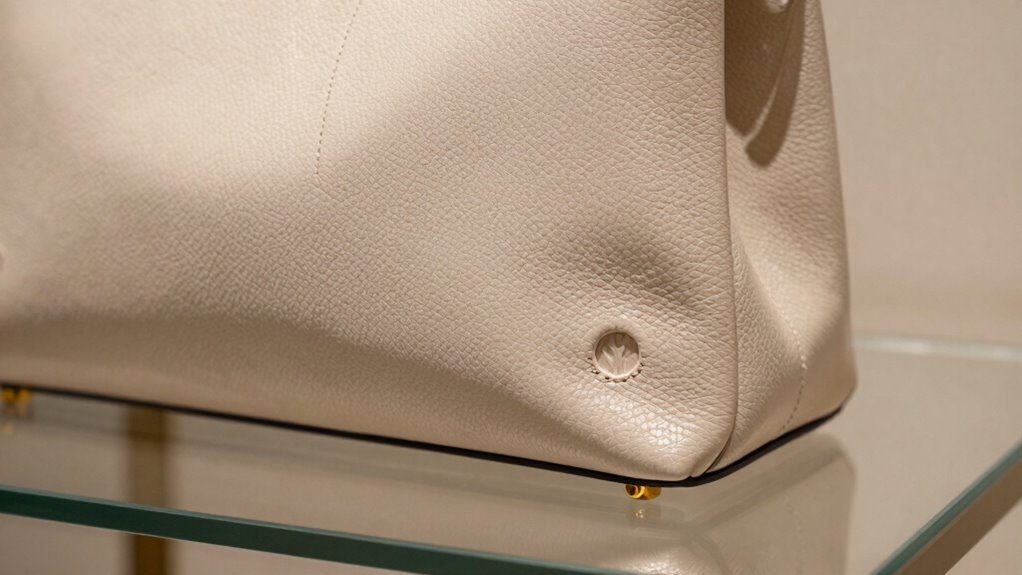

A designer bag stands out through its exceptional craftsmanship, using high-quality materials and meticulous attention to detail. It features iconic branding elements like logos, monograms, and signature hardware that signal its luxury status. Limited editions and collaborations add rarity and exclusivity, making the bag a symbol of prestige. Its heritage, artistry, and status elevate it beyond a simple accessory. To discover the full story behind what makes a designer bag truly special, keep exploring further.
Key Takeaways
- It features high-quality, meticulously crafted materials and expert craftsmanship.
- It displays iconic branding elements like logos, monograms, or signature hardware.
- It embodies luxury, exclusivity, and a prestigious heritage or brand reputation.
- Limited editions and collaborations increase rarity, desirability, and collectibility.
- Its design reflects innovation, attention to detail, and adherence to the brand’s signature style.

When you hear the term “designer bag,” it often conjures images of luxury, exclusivity, and craftsmanship. It’s not just about carrying a stylish accessory; it’s about owning a piece that symbolizes a brand’s prestige and meticulous attention to detail. The defining factor is often the brand behind the bag, which has cultivated a reputation for luxury branding that resonates worldwide. These brands don’t just sell bags—they sell status, artistry, and a sense of belonging to an elite group. Their marketing emphasizes heritage, innovation, and exclusivity, making each bag more than just an item—it becomes a statement.
What truly sets a designer bag apart from regular handbags is the level of craftsmanship involved. These bags are crafted with precision, often using high-quality materials like fine leathers, exotic skins, or innovative textiles. Every stitch, detail, and finishing touch is carefully executed by skilled artisans, reflecting a commitment to excellence. This craftsmanship not only enhances durability but also elevates the bag’s aesthetic appeal, making it a prized possession that can often be passed down through generations. Additionally, the luxury branding incorporated into these bags often involves meticulous attention to detail, further elevating their status. The use of iconic hardware and signature design elements also helps reinforce the bag’s identity and exclusivity. A strong brand story and consistent branding strategies contribute significantly to a bag’s perceived value.
Another key element that defines a designer bag is its association with exclusive collaborations. Many luxury brands partner with renowned designers, artists, or even other high-end brands to create limited-edition collections. These collaborations generate buzz and add a layer of uniqueness to each piece, making them highly sought after. When you own a bag resulting from such an exclusive collaboration, you’re holding a piece of art that’s rare and often produced in limited quantities. This sense of rarity amplifies the bag’s desirability and cements its status as a true designer piece. The limited edition aspect often makes these bags more collectible and desirable among aficionados.
In addition, the branding itself plays a crucial role. Logos, monograms, and signature design elements are carefully integrated into the bag’s overall aesthetic, immediately signaling its designer origins. The branding isn’t just about recognition; it’s about the story and heritage it conveys. When you see a bag from a renowned designer house, you instantly associate it with a legacy of innovation and luxury. The brand’s heritage often influences the design and perceived value of these bags, making them timeless symbols of style.
As an affiliate, we earn on qualifying purchases.
Frequently Asked Questions
How Do Designer Bags Differ From Luxury Handbags?
Designer bags differ from luxury handbags primarily through their influence on fashion trends and brand collaborations. You’ll notice designer bags often set new trends, showcasing innovative styles and materials. They frequently feature collaborations with artists or other brands, elevating their exclusivity. Luxury handbags may focus more on craftsmanship and heritage. Ultimately, designer bags combine trendsetting appeal with creative collaborations, making them stand out in the fashion world and appealing to trend-conscious consumers.
Are All High-End Brands Considered Designer Bags?
Think of high-end brands as the Leonardo da Vinci of the fashion world—they’re recognized for their brand reputation and craftsmanship quality. Not all high-end brands are considered designer bags; some focus on jewelry or apparel. Only those with iconic design, luxury status, and meticulous craftsmanship earn the “designer” label. So, while many high-end brands produce designer bags, not every luxury label qualifies as a true designer bag.
What Materials Are Commonly Used in Designer Bags?
You’ll find that designer bags commonly use materials like genuine leather, which offers excellent material durability and a luxurious feel. High-quality fabrics and exotic skins are also popular choices. The craftsmanship quality is evident through meticulous stitching and finishing details, ensuring longevity and style. These materials are carefully selected to combine durability with elegance, making designer bags not only fashionable but also reliable investments.
Can Replica Designer Bags Be Mistaken for Authentic Ones?
Yes, replica designer bags can sometimes fool your eye, blending into the counterfeit market like chameleons in a jungle. Fake branding is crafted carefully, making it tricky to spot at a quick glance. However, sharp details—like stitching, logo placement, and material quality—often reveal the deception. So, while some replicas might seem convincing, attentive inspection helps you avoid falling for counterfeit market imposters that aim to mimic the real deal.
How Does Limited Edition Status Affect a Designer Bag’s Value?
Limited edition status boosts a designer bag’s value by adding limited exclusivity, making it highly desirable among collectors. You’ll find that these bags often become sought-after investments because fewer people own them. Their rarity increases their collector’s appeal, which can drive up prices over time. If you own or plan to buy a limited edition bag, you’re fundamentally holding a unique piece that’s likely to appreciate and stand out in your collection.
Conclusion
In the end, a true designer bag is more than just a label; it’s a symbol of craftsmanship, innovation, and exclusivity—like the Mona Lisa in the world of fashion. When you carry one, you’re not just holding a bag, but embracing a piece of artistry and history. So, next time you choose your accessory, remember it’s not just about style, but about owning a timeless story that speaks to your identity.