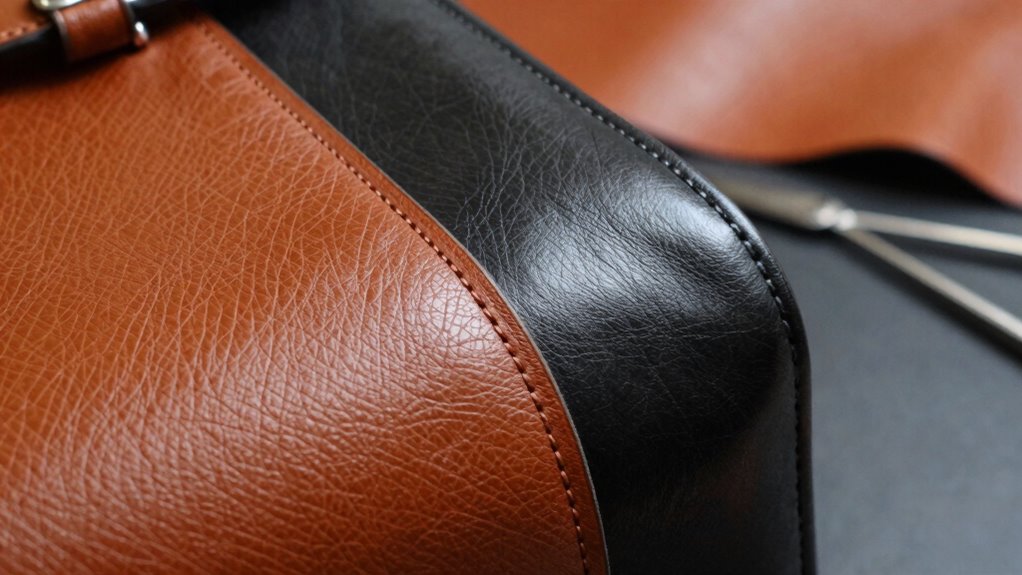
Luxury leather goods cost more because of the high-quality materials, expert craftsmanship, and intricate finishing processes involved. These premium materials are carefully sourced from special regions, often with unique surface treatments, which increase production costs. Skilled artisans add detailed touches like hand-stitching and custom hardware, elevating each piece’s exclusivity. While brand reputation and markup influence the price, it’s the combination of superior materials and craftsmanship that truly justifies the expense. Learn more to see why these products are worth the investment.
Key Takeaways
- Premium leathers from rare, high-quality sources require costly procurement and complex surface treatments, increasing material expenses.
- Skilled craftsmanship, including hand-stitching and detailed finishing, adds significant labor costs beyond raw materials.
- Brand heritage, exclusivity, and storytelling elevate perceived value, allowing higher markups for luxury status.
- High-quality hardware and unique surface finishes involve intricate processes and materials, raising production costs.
- Overall, the combination of superior materials and artisanal craftsmanship justifies premium pricing over simple markup margins.
What Materials Make Luxury Leather Goods So Expensive?
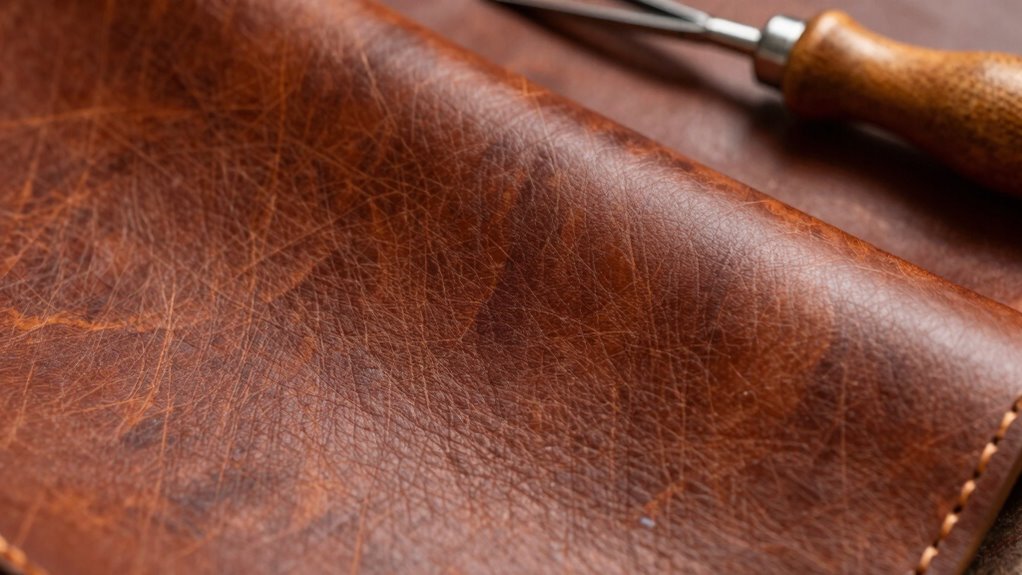
The high cost of luxury leather goods largely comes down to the materials used in their creation. Material origins play a significant role, as premium leathers come from specially raised animals, often in regions known for quality livestock. Leather processing is a meticulous, labor-intensive process that involves tanning, dyeing, and finishing to guarantee durability, appearance, and softness. High-quality leathers undergo strict selection, making sure only the best hides are used, which increases costs. These materials are often sourced from renowned tannery regions, adding to their exclusivity. The sourcing regions of these premium leathers further contribute to their high price, as they are associated with superior quality and craftsmanship. The craftsmanship behind leather processing demands skilled artisans and advanced techniques, further elevating the price. Additionally, the free floating nature of premium leather allows for unique textures and finishes, enhancing the luxury appeal. The raw material quality directly impacts the durability and aesthetic, making it a crucial factor in pricing. Moreover, the rarity of the raw materials and the complexity of their treatment—highlighting the importance of sustainable sourcing—are key reasons why luxury leather goods command such high prices.
How Is Leather Sourced and Crafted for Premium Products?
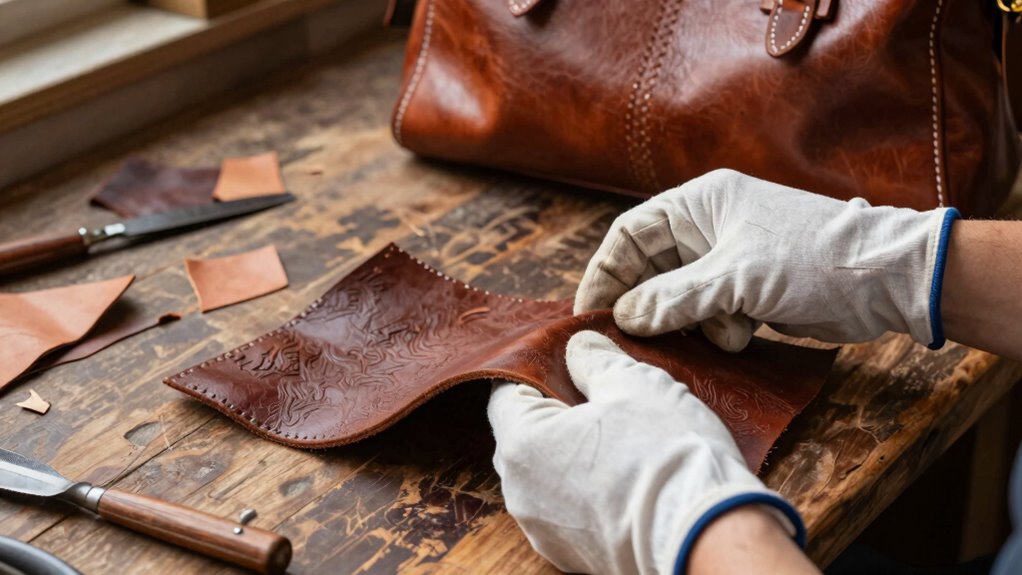
To create premium leather goods, artisans start with sourcing high-quality hides from carefully selected animals raised in regions known for superior livestock. These hides undergo meticulous cleaning, tanning, and finishing processes to enhance durability and appearance. While traditional methods focus on natural tanning, some brands explore vegan alternatives, which avoid animal products altogether, appealing to ethical consumers. Unlike mass production that emphasizes speed and volume, luxury brands prioritize craftsmanship, ensuring each piece is crafted with precision and attention to detail. This careful sourcing and crafting process considerably contribute to the product’s exclusivity and cost. The combination of selecting the best raw materials and employing skilled artisans results in leather that feels and looks superior, justifying the higher price point of premium leather goods. Additionally, the tanning process plays a crucial role in determining the final quality and longevity of the leather, with natural tanning methods often providing a richer texture and more environmentally friendly options. Moreover, the choice of raw materials directly impacts the leather’s appearance and durability, making it a key factor in luxury products. Furthermore, curing and finishing techniques also influence the leather’s final texture and aesthetic appeal, adding to its exclusivity.
How Do Brand Reputation and Markup Affect Luxury Leather Prices?
Brand reputation plays a crucial role in shaping the prices of luxury leather goods because consumers are willing to pay a premium for products from well-established, prestigious brands. High brand prestige builds trust and signals quality, allowing brands to use markup strategies that maximize profit without losing customer loyalty. These markup strategies in luxury markets are designed to cover not just production costs but also brand value, marketing, and prestige. As a result, the reputation of a brand directly influences how much you pay, with famous names commanding markedly higher prices due to perceived value and the desire to associate with luxury status. Additionally, cultural significance can influence brand desirability and pricing strategies, making some brands more sought after based on their cultural impact and consumer perception. Recognizable brand identity further amplifies this effect by reinforcing consumer perceptions of exclusivity and desirability, which is essential in maintaining a brand’s luxury status. Moreover, a well-established brand often invests heavily in marketing and branding to sustain its image and appeal, which ultimately contributes to higher pricing. The perception of exclusivity and the scarcity of certain items also play a significant role in justifying higher markups.
What Finishes and Details Justify the Cost of Luxury Leather Goods?
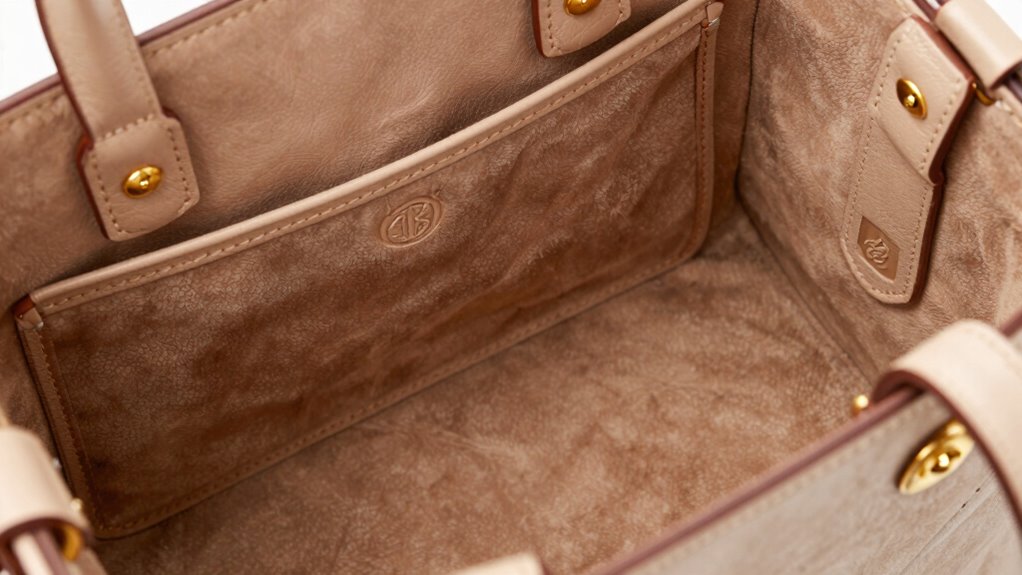
The finishes and details on luxury leather goods considerably influence their high prices. You’ll notice handcrafted stitching that’s precise and flawless, showcasing expert craftsmanship. Unique surface treatments and exclusive hardware choices also add to the overall quality and exclusivity that justifies the cost. Additionally, material quality plays a crucial role in ensuring durability and a premium feel. The meticulous attention to detail in every aspect of the design process further elevates their value, reflecting the craftsmanship standards that define luxury items. Furthermore, attention to detail is what sets high-end leather goods apart from mass-produced alternatives, emphasizing the importance of careful craftsmanship in luxury products.
Handcrafted Stitching Precision
Handcrafted stitching is a hallmark of luxury leather goods, showcasing the skill and attention to detail that set them apart. Every stitch reflects meticulous craftsmanship, ensuring durability and a refined finish. Artisans often use sustainable sourcing to select the finest leather, paired with advanced leather tanning techniques that enhance the material’s quality and longevity. This process requires specialized tools and steady hands, resulting in precise, even stitches that reinforce the product’s structure. The time and expertise invested in hand stitching elevate a simple accessory into a work of art. These details not only improve durability but also add an element of exclusivity. When you see the flawless stitching, you understand the level of craftsmanship and care that justify the premium price of luxury leather goods. Additionally, the intricate hand stitching process often involves expert-level skill, which further underscores the craftsmanship behind each piece. Moreover, quality control during the finishing stages ensures that each item meets the high standards expected of luxury products.
Exclusive Hardware Choices
Exquisite hardware is a defining feature that elevates luxury leather goods beyond everyday accessories. High-quality finishes, such as bespoke designs and limited editions, require meticulous craftsmanship and premium materials. Gold, platinum, or palladium hardware is often custom-plated, ensuring durability and a refined look that justifies the higher cost. Unique hardware choices not only enhance aesthetics but also add exclusivity, making each piece feel special. Limited editions often feature customized metals or intricate engravings, which demand additional labor and precision. These details reflect a commitment to craftsmanship and exclusivity, reinforcing the luxury status of the product. When you invest in these hardware elements, you’re paying for more than just function—you’re acquiring a piece of art that embodies specialized craftsmanship and individuality. Incorporating luxury hardware finishes further elevates the perceived value and craftsmanship of the piece, making it stand out in a competitive market. Additionally, attention to hardware details signifies a dedication to quality that distinguishes true luxury items from mass-produced alternatives.
Unique Surface Treatments
Unique surface treatments markedly elevate the appeal and value of luxury leather goods by showcasing intricate finishes and meticulous attention to detail. These surface treatments provide visual enhancements that distinguish high-end pieces from mass-produced ones. Techniques like hand-painting, embossing, and special coatings give each item a unique character and depth. These finishes often require skilled craftsmanship and time, justifying the higher cost. Consider the following examples:
| Surface Treatment | Description | Effect |
|---|---|---|
| Hand-painting | Applying detailed, custom colors | Adds exclusivity |
| Embossing | Creating textured patterns | Enhances tactile appeal |
| Polishing | High-gloss finishing | Boosts visual brightness |
| Antiquing | Aging effects for vintage look | Adds character |
| Protective Coatings | Sealants for durability | Preserves appearance |
Achieving consistent quality in these finishes often involves precise craftsmanship, which demands a high level of skill and experience, further elevating the overall value of luxury leather goods. Additionally, employing advanced surface treatment techniques can significantly increase production costs but ensures a superior finish.
How Does Craftsmanship Impact the Price of Luxury Leather Items?
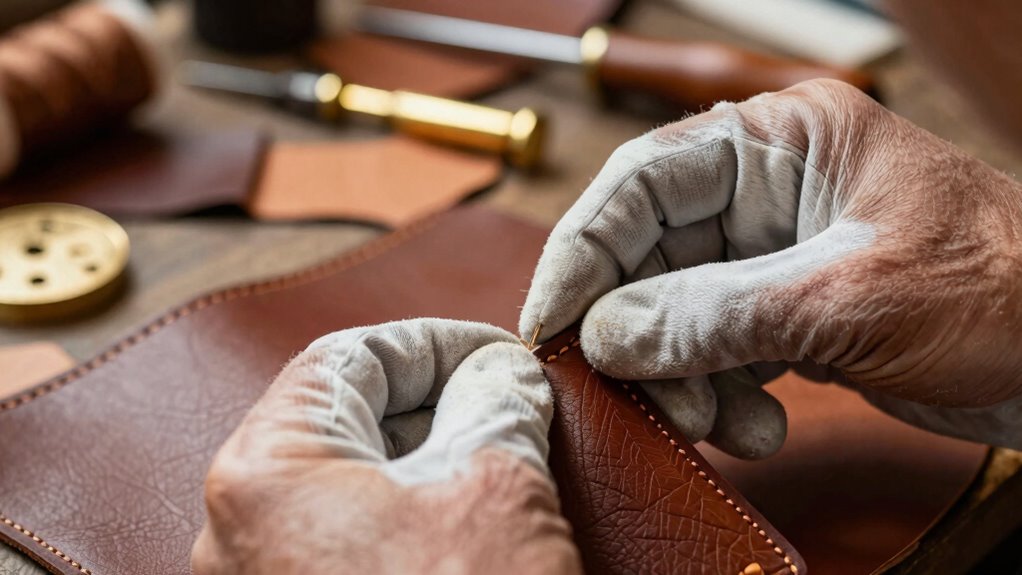
The level of craftsmanship directly influences the cost of luxury leather goods because meticulous work requires more time, skill, and attention to detail. Skilled artisans employ intricate techniques, such as hand-stitching and finishing, which guarantee durability and aesthetic precision. These artisan techniques demand years of training and patience, increasing production costs. Additionally, custom designs add another layer of complexity, requiring personalized adjustments and specialized craftsmanship. This bespoke approach not only elevates the product’s uniqueness but also extends the manufacturing process, raising the final price. Every detail, from selecting premium materials to finishing touches, contributes to the overall value. Understanding electrical concepts can help you recognize how craftsmanship and material quality impact the value of luxury items, ensuring you appreciate the true worth behind each piece. The careful selection and processing of premium materials play a crucial role in maintaining the high standards expected of luxury leather goods, further justifying their elevated prices. Recognizing the importance of craftsmanship techniques highlights how skillful work elevates a product from mere material to a luxury item. Your luxury leather item becomes a reflection of expert craftsmanship, justifying its higher price through quality, durability, and exclusivity.
Are Luxury Leather Goods Worth Their Price?
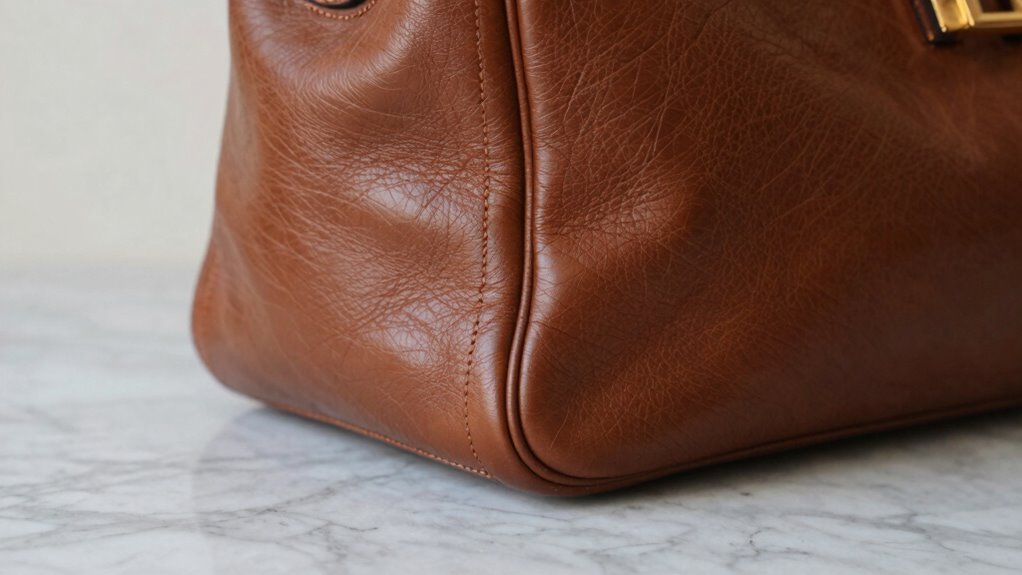
Given the high level of craftsmanship involved, many wonder if luxury leather goods justify their hefty price tags. Brand heritage plays a big role here; it’s about more than just the product—it’s a story of tradition, exclusivity, and quality that adds value. Marketing strategies also influence perceptions, often highlighting craftsmanship, limited editions, and iconic status to justify premium prices. If you value the craftsmanship, timeless design, and the brand’s legacy, these items can be worth the investment. However, if you’re primarily looking for practicality or affordability, luxury leather goods might not be necessary. Ultimately, whether they’re worth it depends on your appreciation for brand heritage, the emotional connection you feel, and how much you value the perceived status these products confer.
Frequently Asked Questions
How Do Import Tariffs Influence Luxury Leather Pricing?
Import tariffs increase luxury leather pricing by adding extra costs on imported materials and goods. When trade policies change, these tariffs can rise, making it more expensive for brands to bring in high-quality leather. As a result, you’ll notice higher prices on luxury leather items because brands pass these costs to you. So, trade policies and import tariffs directly influence how much you pay for luxury leather goods.
What Role Does Exclusivity Play in Luxury Leather Costs?
Did you know that only 10% of luxury handbags are produced? Exclusivity boosts the perceived value, making you willing to pay more. It relies heavily on craftsmanship quality and brand reputation, which are carefully maintained to guarantee rarity. When a product feels unique and prestigious, you understand it’s not just about materials but the status it conveys, justifying the higher costs.
Are Limited Editions More Expensive Due to Production Costs?
Limited editions are often more expensive because of enhanced craftsmanship techniques and meticulous attention to detail. You’ll notice artisans invest extra time, using specialized skills that increase production costs. Additionally, branding strategies boost perceived value, making these pieces feel exclusive. The combination of superior craftsmanship and strategic branding justifies higher prices, ensuring that you see limited editions as distinctive, luxurious items worth the premium.
How Do Storage and Maintenance Affect Overall Luxury Leather Expenses?
Storage and maintenance can add up to 15% of a luxury leather item’s total cost. You might not realize that high-quality storage, like climate-controlled safes, helps preserve leather’s durability, while regular maintenance—conditioning and cleaning—prevents damage and extends its lifespan. These expenses are essential to keep your luxury leather goods looking pristine, ensuring your investment remains valuable over time, despite these added costs.
What Environmental Factors Impact the Quality and Price of Leather?
Environmental factors like regional climate effects considerably impact leather quality and price. Humid areas can cause mold or deterioration, increasing costs for proper storage and treatment. Eco-friendly tanning processes also influence pricing, as they use sustainable methods that can be more expensive but better for the environment. You’ll notice that these factors can lead to variations in leather quality, affecting both the durability of your luxury item and its overall cost.
Conclusion
Ultimately, the high cost of luxury leather goods is like a finely woven tapestry—each thread representing top-quality materials, expert craftsmanship, and brand prestige coming together to create something truly special. While the price may seem steep, you’re paying for more than just a product; you’re investing in artistry and tradition. When you consider all these elements, it’s clear that luxury leather goods are a symphony of value, not just a simple purchase.