TL;DR

Get your wardrobe favorites delivered free with Prime
- Fast, free delivery on millions of items
- Prime Video, Amazon Music and more included
- Member-only deals all year
The Good Trade published a review of 11 organic cotton leggings for women, based on editor testing of comfort, fabric, opacity, stretch and movement. The guide is aimed mainly at everyday wear and gentle exercise; its source says cotton leggings may not suit high-intensity workouts because cotton absorbs moisture rather than wicking it away.
The Good Trade has published a review of 11 organic cotton leggings for women, comparing products for fabric comfort, quality, opacity, stretch and movement. The guide presents the leggings primarily as options for daily wear and low- to moderate-impact exercise, while warning that cotton’s moisture absorption can make it less suited to intense training.
The publication says an editor personally tested the listed leggings, evaluating texture, thickness, stretch and coverage and conducting a squat test. It also says it assessed moisture-wicking performance. According to the guide, the reviewed products received at least 8 out of 10 for comfort. These are the publication’s testing claims; the supplied material does not include independent lab results or a detailed score for each of the 11 products.
The source describes the selection as focused on leggings made primarily from organic cotton with some spandex or elastane. It argues that a small amount of stretch fiber can help garments retain flexibility and durability. The product information supplied includes MATE the Label as the guide’s overall favorite: its leggings are listed as GOTS-certified organic cotton with spandex, in sizes XS–3X, with a stated price range of $88–$108. The source rates the fabric medium-weight and opaque.
The Good Trade says its recommendations reflect research and testing, and discloses that it may earn a commission from purchases made through some links. That commercial relationship is relevant when readers interpret the list: the guide is an editorial product review, not a clinical assessment or a comparative scientific study. The supplied text gives only partial product details, so it does not support a full item-by-item account of all 11 recommendations.
THE GOOD TRADE · REVIEW AT A GLANCE
11 Best Organic Cotton Leggings for Women
A guide to comfort, coverage, stretch, and movement for everyday wear and gentle exercise—with practical limits to keep in mind before buying.
01 / REVIEW SNAPSHOT
What the guide says it tested
The Good Trade describes editor testing focused on wearability and fabric performance. Its supplied material does not include independent lab results or a full scorecard for all 11 products.
01 · Feel & fit
Comfort and fabric
Texture, thickness, quality, and fabric weight were considered. The publication reports that each selection scored at least 8 out of 10 for comfort.
02 · Coverage
Opacity and stretch
The guide says it assessed coverage, flexibility, and movement, including a squat test to check how the leggings perform in motion.
03 · Activity
Moisture handling
Cotton can absorb sweat rather than move it away from the body. The guide positions these picks mainly for lower-sweat activities.
02 / FEATURED PICK
MATE the Label
The supplied product details identify MATE the Label as the guide’s overall favorite. Check the current product listing for up-to-date materials, sizes, and pricing.
Overall favorite · Medium-weight · Opaque
Organic cotton with added stretch
Listed as GOTS-certified organic cotton with spandex. The source lists sizes XS–3X and describes the fabric as medium-weight and opaque.
03 / CHOOSE FOR YOUR USE
Match the fabric to the activity
The guide’s main distinction is between everyday comfort and moisture management during intense exercise.
Illustrative fit based on the source’s qualitative guidance—not product test scores.
04 / SHOPPING CHECK
Four checks before you buy
Product materials, certifications, sizing, and prices can vary by style and change over time. Confirm current details directly with the brand.
Read the fiber label
Check cotton, spandex, or elastane percentages.
Verify certification
Look for GOTS and confirm which product it covers.
Check fit details
Review current size range, opacity, and coverage.
Choose by activity
For intense training, consider moisture-wicking performance wear.
05 / HOW TO READ THE CLAIMS
Useful guidance, with limits
This is an editorial product review, not a clinical assessment or comparative scientific study. The supplied text contains partial product details and does not show standardized results for every pair.
| Topic | What the guide says | What shoppers should verify |
|---|---|---|
| Testing | Editor assessed comfort, fabric, opacity, stretch, movement, and a squat test. | Full item-by-item scores and standardized testing details are not supplied. |
| Organic claims | The guide recommends looking for GOTS certification. | Confirm certification and materials for the specific style. |
| PFAS and “nontoxic” | The source uses these descriptions for its selections. | No product-specific lab results or documentation were included in the supplied text. |
| Commercial links | The publication says it may earn a commission from some purchases. | Keep the disclosure in mind when interpreting recommendations. |
Broad statements about environmental impact, labor practices, or health effects in the source are not product-specific evidence that every listed item shares the same practices or prevents health conditions.
06 / QUICK ANSWERS
Key questions
What did The Good Trade review?
Eleven women’s organic cotton leggings, assessing factors such as comfort, fabric quality, opacity, stretch, and movement.
Are they suitable for intense workouts?
The guide generally favors them for daily wear and gentle exercise. Since cotton absorbs moisture, performance fabrics may suit high-intensity training better.
Which pair was named the overall favorite?
MATE the Label. The supplied details list organic cotton with spandex, sizes XS–3X, and a stated price range of $88–$108.
How can I check sustainability claims?
Look for GOTS certification, review the current fiber content, and check brand disclosures for the exact product.
Choosing Leggings for Everyday Movement
The guide gives shoppers a way to compare organic-fiber claims, fit and coverage before buying leggings intended for regular wear. Its distinction between gentle exercise and high-intensity training is practical: fabric that feels comfortable for yoga or lounging may not provide the moisture management and flexibility some people want for harder workouts.
The source also emphasizes checking certifications rather than relying only on broad sustainability language. It recommends looking for GOTS certification, which it describes as covering environmental and ethical criteria. Readers should still check each product’s current materials, certification and size range, since those can vary by style and change over time.
Organic cotton can be relevant to shoppers seeking natural fibers, but the guide’s environmental and health statements should be read as claims made by the publication. The supplied material does not provide evidence establishing that every listed product has identical production practices or that choosing organic cotton prevents skin irritation or specific health conditions.
Popular right now
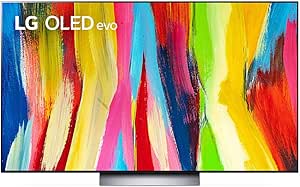
LG C2 Series 65-Inch OLED evo 4K Smart TV (OLED65C2PUA, 2022)

Breville Bambino Espresso Machine, Brushed Stainless Steel

Samsung 42-Inch Class OLED S90F 4K Smart TV (2025)
As an affiliate, we earn on qualifying purchases.
How the Review Says It Tested
The Good Trade frames the list around natural materials, comfort and production ethics. It says the editor has years of experience wearing organic and nontoxic workout clothing and that the guide is updated with products the team considers suitable. The testing described covers wear-related factors, including fabric feel, opacity, stretch, movement and thickness, alongside a squat test.
The publication says organic farming practices can include crop rotation and water conservation, and that organic cotton is biodegradable. It also links organic production with responsible labor practices. Those are general points in the source, not product-specific findings for every item in the list. For shoppers, the practical check is to review a brand’s certification and manufacturing information rather than assume all products marketed as organic meet the same standards.
The guide also explains a trade-off in fabric composition: higher cotton content may mean less flexibility, while elastane or spandex adds stretch. It says cotton absorbs sweat instead of moving it away from the body, making these leggings more appropriate for low-sweat activity or cooler conditions than demanding workouts.
““The brands below represent the best quality pieces””
— The Good Trade
Limits of the Published Testing
The supplied source does not name the publication date, provide links to the complete item-by-item review, or show the test results for all 11 products. It is also unclear how testing was standardized across brands, how often products were retested, and whether the reported comfort scores were based on one tester or a wider group.
The source calls the selections nontoxic and PFAS-free, but the supplied material does not include laboratory testing or product-specific documentation supporting those claims for every pair. Certifications and fabric content can differ by item, and product listings may change. Readers should check current brand disclosures and labels before purchase.
The source makes broad statements about organic cotton, labor practices and potential health effects, but it does not provide studies or detailed sourcing evidence in the text supplied. Those statements should not be treated as proof that a specific garment prevents health problems or that every listed brand has the same supply-chain standards.
What Shoppers Should Check
The Good Trade says it updates the list regularly, but does not give a date for its next update. Shoppers can compare the current product pages against the guide, checking fiber percentages, available sizes, prices and certifications, and confirm whether claims apply to the exact style they plan to buy.
For workouts involving heavy sweating or high intensity, the publication points readers toward separate guides to performance activewear and compression leggings. For lower-impact movement or everyday use, its advice is to weigh comfort, stretch and coverage against the limits of cotton’s moisture handling.
Key Questions
What did The Good Trade review?
The publication reviewed 11 organic cotton leggings for women, assessing factors including comfort, fabric quality, opacity, stretch and movement.
Are organic cotton leggings suitable for intense workouts?
The guide says they are generally better for gentle exercise and daily movement. Cotton absorbs moisture rather than wicking it away, so the source suggests performance fabrics may be preferable for high-intensity training.
Which leggings did the guide name as its overall favorite?
The supplied product details identify MATE the Label as the overall favorite. The guide lists organic cotton and spandex, sizes XS–3X and a price range of $88–$108; shoppers should check the current listing for updated details.
How can shoppers check organic and sustainability claims?
The guide recommends looking for GOTS certification and checking the product’s current materials and brand disclosures. Certification details can vary by product, so verify that the specific leggings carry the stated certification.
Source: rss