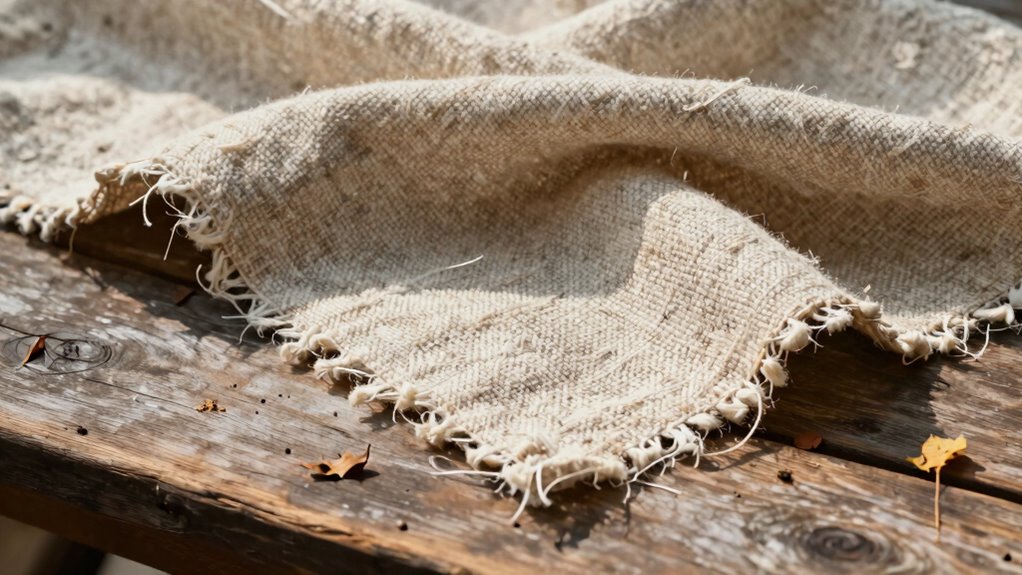

When evaluating biodegradable textiles, focus on those made from 100% natural fibers like cotton or hemp, as these break down more easily and quickly. Be cautious of mixed blends with synthetics such as polyester or nylon, which resist decomposition and can release microplastics. Not all textiles labeled biodegradable are equally eco-friendly—processing and disposal methods matter. To make smarter choices and avoid greenwashing, understanding what truly decomposes will help you support sustainable options and innovations. Keep exploring to learn more.
Listen free for 30 days with Audible
Thousands of audiobooks and originals — cancel anytime.
As an affiliate, we earn on qualifying purchases.
Key Takeaways
- Only textiles made from 100% natural fibers like cotton or hemp are truly biodegradable.
- Synthetic fibers such as polyester and nylon resist decomposition, even if labeled biodegradable.
- Blended textiles with synthetic components hinder complete biodegradation and can leave microplastics.
- Proper disposal and processing methods significantly influence whether textiles biodegrade effectively.
- Biodegradability labels don’t guarantee full decomposition; understanding material composition is essential.
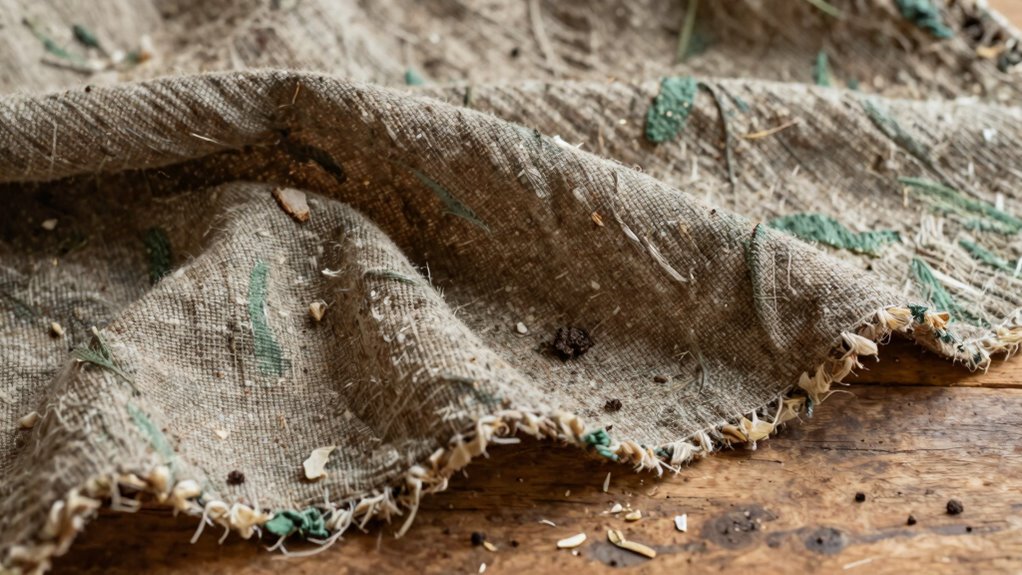
As environmental concerns grow, biodegradable textiles emerge as a promising solution to reduce waste and pollution. These materials are designed to break down naturally, minimizing their impact on the environment. However, understanding what truly counts as biodegradable isn’t always straightforward. Many textiles labeled as eco-friendly still contain synthetic blends, which complicate their ability to decompose efficiently. When fibers are mixed, especially with plastics or synthetic materials, it becomes harder for microbes to break down the fabric completely. This creates a significant recycling challenge because these blends can persist in landfills for years, contradicting the very purpose of biodegradability.
You might think that if a fabric is labeled biodegradable, it’s automatically environmentally friendly. But that’s not always the case, especially when synthetic blends are involved. These blends often combine natural fibers like cotton or hemp with synthetic ones such as polyester or nylon. While the natural components might break down quickly, the synthetic parts resist decomposition, leaving behind microplastics and other pollutants. This resistance hampers efforts to truly reduce waste and can even contribute to pollution in aquatic environments when fibers shed during washing. It’s important to recognize that biodegradability depends not just on the materials used but also on how the fabric is processed and disposed of. The composition of textiles plays a critical role in their environmental impact. Additionally, fiber quality can influence how quickly and completely a textile biodegrades. Furthermore, processing methods can either facilitate or hinder the breakdown process, impacting overall biodegradability. Innovations in fiber processing techniques could help improve the breakdown rates of blended textiles in the future.
Recycling challenges further complicate the landscape. Many biodegradable textiles aren’t compatible with existing recycling streams, especially if they contain synthetic blends. When you toss mixed fibers into recycling bins, they often get rejected or mixed with non-biodegradable waste, making recycling inefficient or impossible. This results in more waste ending up in landfills or the environment, undermining the benefits of choosing biodegradable options. To address this, innovation in fiber separation and processing is needed, but it’s not yet widespread. Until then, understanding the composition of textiles can help you make more environmentally conscious choices, favoring natural fibers over blends that contain synthetic components. Additionally, fiber separation techniques are crucial for improving the recyclability of these textiles in the future. This emphasizes the importance of developing new technologies that can better sort and process mixed fibers.
Ultimately, what counts as biodegradable isn’t just about the material itself but also about its composition, how it’s processed, and how it’s disposed of. You should be aware that some fabrics labeled as biodegradable may not fully decompose if they contain synthetic blends, especially if recycling challenges prevent their proper processing. To truly benefit from biodegradable textiles, focus on products made from 100% natural fibers and support advancements in recycling technologies. That way, you can contribute to reducing waste, lowering pollution, and fostering a more sustainable future.
100% natural fiber biodegradable clothing
As an affiliate, we earn on qualifying purchases.
As an affiliate, we earn on qualifying purchases.
Frequently Asked Questions
How Long Does Biodegradable Fabric Take to Decompose?
Biodegradable fabric typically takes anywhere from a few months to a couple of years to decompose, depending on environmental factors. If you’re in a warm, moist environment with plenty of oxygen, decomposition time speeds up. Conversely, in cold or dry conditions, it can take much longer. So, the actual decomposition time varies based on factors like temperature, moisture, and microbial activity, which all influence how quickly the fabric breaks down.
Are Synthetic Fibers Ever Biodegradable?
Synthetic fibers can sometimes be biodegradable, but it depends on their durability and the textile biodegradation factors involved. Typically, durable synthetic fibers like polyester and nylon resist decomposition, making them less biodegradable. However, newer formulations and biodegradable additives can enhance breakdown. So, whether synthetic fibers are biodegradable varies, and it’s essential to take into account both their durability and specific textile biodegradation factors to determine their environmental impact.
Can Biodegradable Textiles Be Recycled?
Yes, biodegradable textiles can be recycled, but it’s often complicated due to chemical processes involved. Recycling challenges arise because biodegradable fibers break down more easily, making standard recycling methods less effective. You need specialized processes to separate and reuse these textiles properly. While recycling is possible, it’s essential to develop eco-friendly techniques that address these chemical reactions, ensuring biodegradable textiles can be reused without compromising their eco-friendly qualities.
Do All Natural Fibers Biodegrade Equally?
Think of natural fibers as different kinds of seeds—each with its own pace to sprout and decay. Not all biodegrade equally; some, like cotton, break down quickly, showcasing rapid biodegradation speed, while others, like wool, take longer due to their natural durability. Your choice depends on how fast you want them to decompose, influenced by their natural fiber durability and environmental conditions.
What Environmental Impacts Do Biodegradable Textiles Have?
Biodegradable textiles can positively impact the environment by breaking down naturally through chemical processes, reducing landfill waste. However, their environmental benefits depend on proper disposal and production methods. As a consumer, your perception influences demand, encouraging manufacturers to adopt eco-friendly practices. If textiles degrade too quickly or release harmful substances during breakdown, they might harm ecosystems. So, understanding these impacts helps you make more sustainable choices and supports genuine eco-friendly innovations.
Conclusion
You now hold the map to understanding biodegradable textiles, revealing which fibers bloom back into nature and which linger like shadows. Think of it as tending a garden—choosing the right seeds guarantees a vibrant, harmonious landscape, while the wrong ones leave weeds behind. By knowing what truly biodegrades, you become the gardener of your wardrobe’s future, cultivating a sustainable world where your choices are the gentle rain nourishing the earth’s endless cycle of renewal.
Flea & tick season Picks
flea and tick prevention
As an affiliate, we earn on qualifying purchases.