Sourcing ethical wool and down means selecting materials from farms that prioritize animal welfare, environmental sustainability, and transparency. You’ll want to look for certifications like Responsible Wool Standard (RWS) or Global Traceable Down Standard (GDTS) to guarantee strict standards are met. By choosing ethically sourced materials, you support humane treatment, responsible farming practices, and a transparent supply chain. Keep exploring to discover how these principles help create kinder, more sustainable products and industries.

Get your wardrobe favorites delivered free with Prime
- Fast, free delivery on millions of items
- Prime Video, Amazon Music and more included
- Member-only deals all year
Key Takeaways
- Choose suppliers certified by standards like RWS and GDTS to ensure ethical sourcing and animal welfare.
- Verify supply chain transparency to confirm responsible farming practices from farm to finished product.
- Avoid practices such as mulesing and forceful shearing that cause unnecessary animal pain.
- Support farms committed to humane treatment, promoting better living conditions for animals.
- Prioritize sourcing from farms with verified ethical and sustainable practices to enhance product quality and environmental impact.
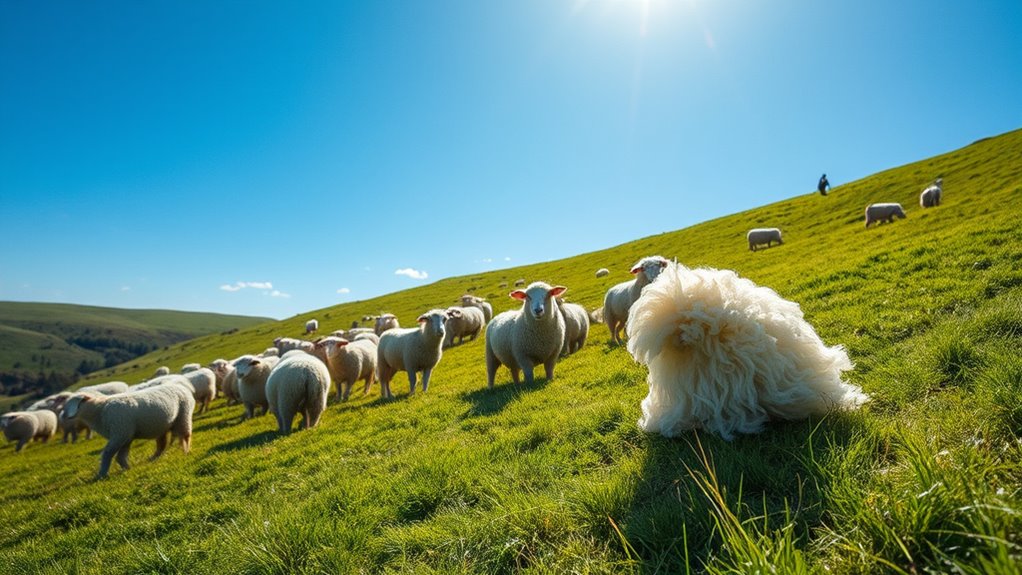
When you choose to source ethical wool and down, you’re supporting sustainable farming practices that prioritize animal welfare and environmental health. This decision not only impacts the quality of your products but also contributes to a more humane and transparent supply chain. Ethical sourcing means that the animals providing the wool and down are treated with respect and care throughout their lives. You want to guarantee that the animals are raised under conditions that promote their health and well-being, avoiding practices like mulesing or forceful shearing, which can cause unnecessary pain and stress. By prioritizing animal welfare, you’re making a conscious choice to support farms that adhere to strict standards and humane practices.
Supply chain transparency plays a vital role in ethical sourcing. When you seek out suppliers committed to transparency, you gain insight into every step of the process—from farm to finished product. This transparency allows you to verify that the wool and down are sourced responsibly, with clear documentation and certification. It helps prevent issues like illegal harvesting, mistreatment, or environmental degradation. Knowing exactly where your materials come from and how they’re produced gives you confidence that your products align with your values. It also encourages suppliers to maintain high standards, knowing that consumers are paying attention to the supply chain details. Additionally, understanding the importance of drainage and pasture management in sustainable farming can help ensure the health of the land and animals involved.
Choosing suppliers with transparent, ethical practices can sometimes require more effort, but it’s worth it. You might need to do research, ask questions, and look for certifications like Responsible Wool Standard (RWS) or Global Traceable Down Standard (GDTS). These certifications verify that the materials you’re sourcing meet rigorous animal welfare and environmental criteria. When you work with certified suppliers, you’re supporting farms that actively improve their practices, invest in better living conditions for animals, and reduce their environmental footprint. This not only benefits the animals and the planet but also enhances your brand’s reputation among conscious consumers.
Sourcing ethical wool and down isn’t just about compliance; it’s about making informed choices that reflect your values. By emphasizing animal welfare and supply chain transparency, you help create a more sustainable and humane industry. Your commitment encourages others to follow suit, fostering a movement toward better practices across the entire supply chain. Ultimately, your focus on ethical sourcing guarantees that your products are not only high quality but also aligned with principles of compassion and responsibility, making a positive impact on animals, the environment, and your customers.
As an affiliate, we earn on qualifying purchases.
Frequently Asked Questions
How Can Consumers Verify the Authenticity of Ethical Wool Labels?
You can verify the authenticity of ethical wool labels by checking fiber traceability and label transparency. Look for brands that openly share their supply chain information and certifications. Research the labels for recognized standards like GOTS or Responsible Wool Standard, which ensure ethical sourcing. Don’t hesitate to ask retailers or brands directly about their sourcing practices—transparency is key to confirming you’re supporting ethical wool.
What Certifications Indicate Ethical Sourcing of Wool and Down?
You can look for certifications like the Responsible Wool Standard (RWS) and the Global Traceable Down Standard (GDDS). These certifications guarantee the wool and down meet strict animal welfare and environmental standards. When shopping, check the labels carefully to confirm the product has these marks. These certification standards verify that the animals are treated ethically, and the sourcing process aligns with sustainable and humane practices.
Are There Regional Differences in Ethical Wool and Down Sourcing Standards?
Regional differences influence ethical wool and down sourcing standards due to varying cultural standards and regulations. You’ll find that some regions prioritize animal welfare and sustainable practices more than others, affecting certification requirements. For example, European countries often have stricter standards compared to some regions in Asia or South America. Understanding these regional differences helps you make more informed choices, ensuring your sourcing aligns with your values and the specific ethical standards of each area.
How Do Ethical Wool and Down Practices Impact Local Farming Communities?
You’ll see that ethical wool and down practices boost community impact markedly; for example, many farms report a 20% increase in income after adopting sustainable methods. This encourages economic development by providing fair wages and supporting local businesses. As a result, farming communities thrive, gaining stability and growth opportunities. Your choices in sourcing ethically help strengthen these communities, promoting responsible farming and ensuring future generations can benefit from sustainable practices.
What Are the Environmental Benefits of Sourcing Ethical Wool and Down?
When you choose ethical wool and down, you support sustainable farming practices that reduce environmental impact. These practices promote biodiversity conservation by avoiding harmful chemicals and overgrazing, helping ecosystems thrive. You contribute to healthier soils and cleaner water, as responsible sourcing minimizes pollution. By making ethical choices, you’re helping to protect natural habitats and promote long-term environmental sustainability for future generations.
Conclusion
By choosing ethical wool and down, you’re not just making a sustainable choice—you’re joining a movement that values compassion and integrity. It’s no coincidence that many of the most beautiful, durable pieces come from brands committed to responsible sourcing. When you prioritize ethics, you help protect animals and support communities. Ultimately, your conscious decision can spark a ripple effect, reminding us all that caring for the planet and its creatures is a choice worth making every day.
Columbus Day / Indigenous Peoples' Day Picks
long weekend sales
As an affiliate, we earn on qualifying purchases.