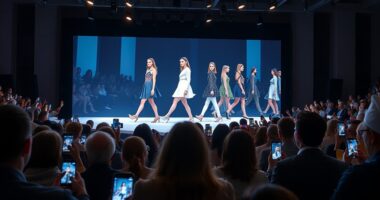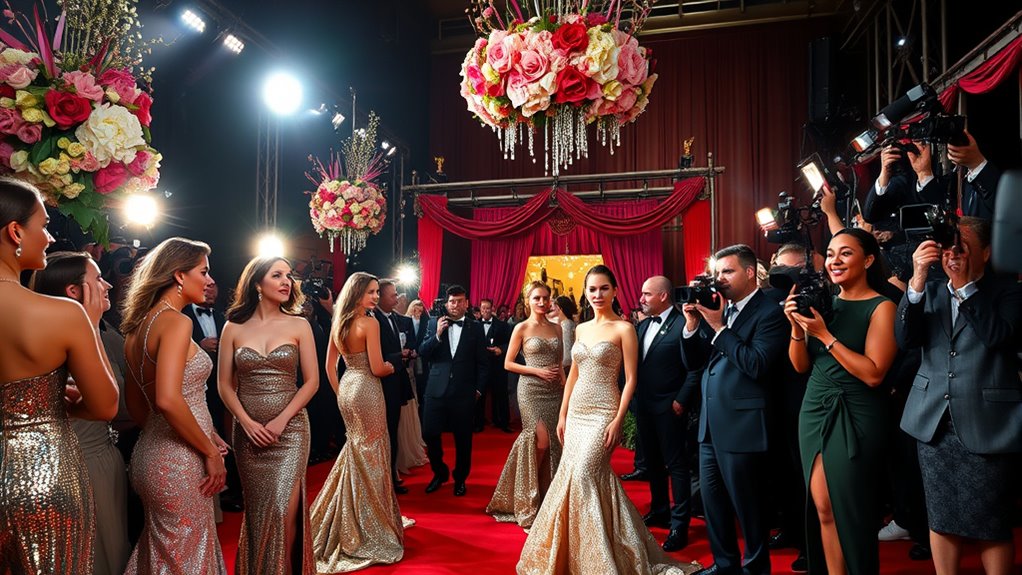

Fashion award shows celebrate top talent by highlighting creativity, influence, and originality, with criteria often focusing on pushing boundaries and industry impact. You’ll see voting done by panels of experts, critics, and peer votes, but the process isn’t without controversy—many question fairness, bias, or favoritism. Debates about diversity and representation also come up frequently. If you want to uncover what truly influences these events and their behind-the-scenes secrets, there’s more to explore ahead.
Key Takeaways
- Award criteria focus on creativity, influence, originality, and industry impact, often evaluated by panels of experts and critics.
- Voting processes include industry panels, peer votes, and sometimes public input, aiming for fairness but influenced by industry politics.
- Controversies arise from high-profile snubs, unexpected winners, bias, favoritism, and concerns over lack of diversity and representation.
- Awards often reflect industry relationships and commercial interests, which can affect perceptions of fairness and legitimacy.
- Media coverage and social platforms amplify results, shaping public opinion and sparking debates about the awards’ credibility.
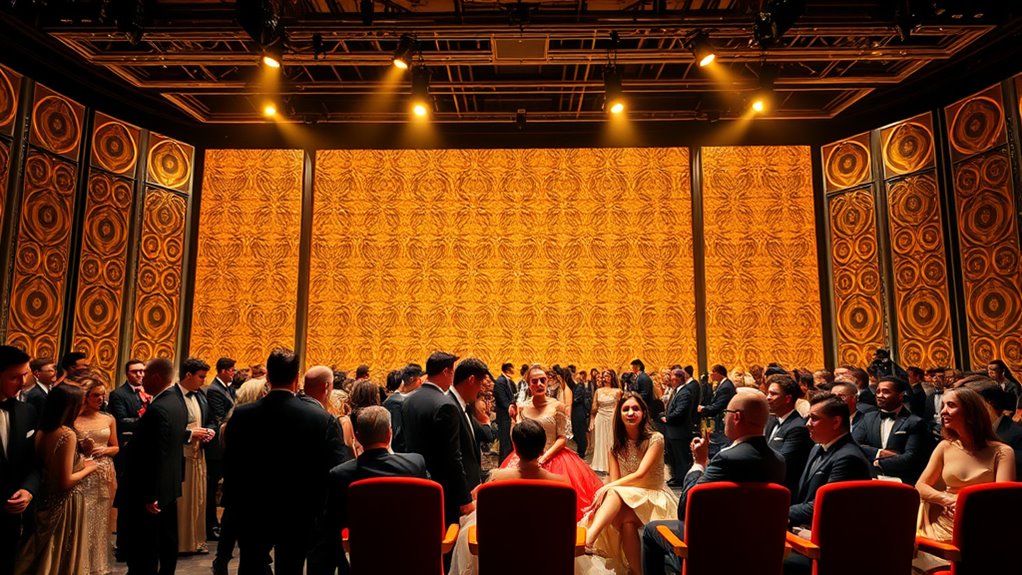
Have you ever wondered how the fashion industry celebrates its brightest stars? It’s often through glamorous award shows that highlight the best in fashion, design, and style. When the red carpet rolls out, it becomes a stage not just for recognition but for showcasing the latest trends, designer collaborations, and bold fashion statements. You get to see the most daring outfits, often crafted by top designers working closely with celebrities to create show-stopping looks. These collaborations are a huge part of the spectacle, blending creativity and branding to make each appearance memorable. The red carpet isn’t just about glamour; it’s a carefully curated display of fashion partnerships, where designers aim to leave a lasting impression by dressing their biggest clients in unique, sometimes even groundbreaking, pieces. This spectacle often sets trends for the upcoming season and fuels conversations about style and innovation. Behind the scenes, the venue’s decor and ambiance are also thoughtfully designed to complement the themes and aesthetics of the event, enhancing the overall experience. Additionally, the use of digital media and social platforms amplifies the reach and impact of these events, making them accessible to a global audience. But behind the glitz, there’s a structured process to deciding who gets recognized. The criteria for awards typically focus on a combination of creativity, influence, originality, and impact within the fashion industry. For example, awards may consider how a designer’s collection pushes boundaries or how a celebrity’s style choices influence public perception. Voting can involve panels of industry experts, critics, and sometimes peer votes from fellow designers and fashion insiders. The process aims to be fair and transparent, yet it’s not without controversy. Critics often debate whether awards truly honor the most deserving or if they’re influenced by industry politics, relationships, or commercial interests. Some argue that certain designers or brands are favored because of their visibility or connections, rather than their innovation or craftsmanship. Controversies also arise when the public perceives a disparity between the award winners and the broader fashion community’s opinions. High-profile snubs or unexpected winners can spark debate about bias and the criteria used for selection. Additionally, the fashion industry’s sometimes exclusive nature fuels criticism, as some feel award shows don’t always represent diversity or emerging talent fairly. Despite these issues, fashion award shows remain a pivotal part of the industry, celebrating achievements while also reflecting ongoing conversations about fairness and representation. Whether it’s a star-studded red carpet or the behind-the-scenes voting process, these events serve as a powerful platform to honor creativity, influence trends, and sometimes stir debate about the very nature of fashion recognition.
Frequently Asked Questions
How Do Fashion Award Shows Influence Industry Trends?
You see how fashion award shows shape industry trends by showcasing stunning red carpet fashion that influences designers and brands. When celebrities wear bold, innovative styles, it sparks new trends. Stylist collaborations often debut at these events, setting standards for upcoming seasons. Your interest in these shows highlights their power to inspire fresh ideas, drive consumer excitement, and steer the direction of fashion’s future, making them pivotal in industry evolution.
What Role Do Celebrity Endorsements Play in Awards?
Imagine the red carpet as a grand stage where celebrity influence acts like a powerful beacon, guiding trends and capturing attention. Your eye is drawn to the stars’ endorsements, which shape perceptions and set standards. Celebrity endorsements in awards elevate certain styles and designers, making them iconic. They serve as influential messengers, turning a simple outfit into a cultural phenomenon, inspiring fans and industry insiders alike to follow their lead.
Are There Regional Differences in Award Show Criteria?
You may notice regional preferences influence award show criteria, reflecting local tastes and values. Cultural biases can shape what’s celebrated, making some regions favor certain styles or achievements over others. These differences mean you might see diverse standards and priorities across award shows worldwide. As a result, the criteria aren’t uniform, and understanding these regional nuances helps you appreciate why some winners resonate more locally than globally.
How Do Award Shows Impact Emerging Designers’ Careers?
Did you know that winning or even being nominated at major award shows can boost a designer’s recognition by up to 50%? These events considerably impact your career opportunities, opening doors to collaborations, media coverage, and influential industry connections. By gaining designer recognition, you can elevate your brand, reach wider audiences, and accelerate your growth in the competitive fashion world. Award shows truly serve as powerful platforms for emerging designers to thrive.
What Measures Are Taken to Prevent Voting Manipulation?
To prevent voting manipulation, organizers focus on maintaining voting integrity through robust fraud prevention measures. You should expect secure online systems with unique identifiers, multi-factor authentication, and monitored voting patterns to detect suspicious activity. These steps help guarantee fair results, safeguarding the credibility of the award process. By prioritizing fraud prevention, they aim to keep the voting process transparent and trustworthy for all participants.
Conclusion
Ultimately, fashion award shows influence trends and careers, but their criteria and voting can sometimes spark controversy. For example, imagine a rising designer feeling overlooked despite innovative work, simply because of industry biases. This highlights how subjective judgments can impact fairness. As you watch these events, remember they’re shaped by complex factors beyond just talent. Recognizing this helps you appreciate the artistry while understanding the debates behind the scenes.