
In the 1970s, punk’s DIY aesthetic embraces raw creativity and personal expression, rejecting polished, mass-produced looks. You’ll notice handmade album covers with collaged images, torn edges, and crude graphics that serve as statements of rebellion. Fashion changes involve customizing clothing with safety pins, patches, and ripped fabrics to showcase individuality. This movement prioritizes authenticity, community, and nonconformity, emphasizing noise and attitude over perfection. If you explore further, you’ll uncover how these ideas shaped punk’s lasting cultural impact.
Key Takeaways
- Punk’s DIY aesthetic emphasized handmade, non-professional art and fashion as a form of rebellious self-expression.
- Album covers were crafted with collage, torn edges, and crude graphics, rejecting mass-produced, glossy packaging.
- Fashion involved customizing clothing through ripping, safety-pinning, and patching to showcase individuality and anti-commercialism.
- The aesthetic prioritized rawness, attitude, and visual noise over perfection, challenging societal norms and mainstream standards.
- It fostered community-driven creativity, promoting authenticity and personal control in music, art, and fashion.

In the 1970s, punk culture emerged as a bold rejection of mainstream aesthetics, emphasizing raw creativity and individual expression. You’re at the heart of this movement, where traditional rules are thrown out the window, and DIY ethos rules supreme. One of the most striking ways punk embodies this spirit is through handmade album covers. Instead of polished, mass-produced designs, bands and fans alike craft their own covers using whatever materials are available—scrap paper, magazine clippings, spray paint, or hand-drawn artwork. These covers aren’t just packaging; they’re statements of rebellion, personal visions, and anti-commercial sentiment. When you see a punk album with torn edges, crude graphics, or collaged images, you’re witnessing a deliberate move away from the glossy, corporate look of mainstream music. It’s about authenticity, about making something unique that reflects your attitude.
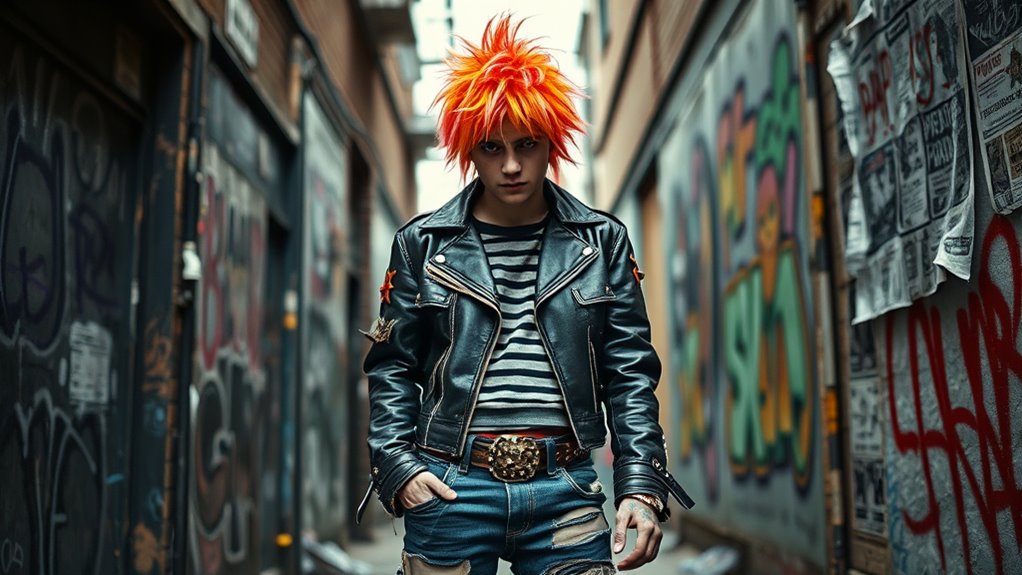
You also get involved in DIY fashion trends, which become another defining aspect of punk’s aesthetic. Instead of buying expensive designer clothes, you repurpose and customize your wardrobe. You might rip and safety-pin your jeans, add patches and slogans, or layer mismatched clothing for a deliberately chaotic look. This style isn’t about looking perfect; it’s about making a statement and standing out. Your clothing becomes a canvas for expressing your frustrations, your individuality, and your rejection of consumerism. Punk fashion encourages you to use everyday items—like old T-shirts, studded belts, or safety pins—to craft an look that’s gritty, rebellious, and unmistakably yours.
Both the handmade album covers and DIY fashion trends are rooted in the same principle: creating something authentic without relying on commercial or professional standards. You’re not waiting for approval or permission; you’re taking control of your artistic expression, making it your own. This approach fosters a sense of community—fans and musicians share ideas, swap materials, and inspire each other to push boundaries. The punk aesthetic isn’t about perfection; it’s about attitude, about making noise and visual statements that challenge societal norms. When you embrace handmade album covers and DIY fashion, you’re participating in a movement that values rawness over polish, individuality over conformity, and personal expression over commercial appeal. It’s this spirit that continues to influence punk and alternative scenes today, reminding you that creativity thrives when you break the rules. Additionally, this emphasis on color accuracy in visual presentation underscores the importance of authentic expression, whether through music, fashion, or visual art.
Frequently Asked Questions
How Did Punk’s DIY Attitude Influence Mainstream Fashion?
Your punk DIY attitude revolutionized mainstream fashion by inspiring innovation and empowering consumers. You see, punk’s rejection of commercialism led to bold, unconventional styles that challenged traditional norms. This movement encouraged people like you to customize clothing, use inexpensive materials, and create unique looks. As a result, fashion became more experimental, fostering consumer empowerment and sparking ongoing fashion innovation that still influences trends today.
What Role Did Zines Play in Punk Culture Dissemination?
Zines revolutionized punk culture, acting as powerful tools for punk activism and spreading ideas faster than a lightning bolt. They played a vital role in punk dissemination, enabling fans to share music, politics, and art through zine distribution channels that bypassed mainstream media. You could say zines were the heartbeat of punk, empowering individuals to amplify their voices, challenge authority, and create a tight-knit community united by rebellion and DIY spirit.
Were There Regional Variations in Punk’s DIY Approach?
Yes, there were regional variations in punk’s DIY approach. You’ll notice different local scenes developing unique regional styles that reflect their communities’ attitudes and resources. For example, New York’s punk scene emphasized gritty, aggressive aesthetics, while London’s scene leaned toward a more rebellious, fashion-forward style. These regional differences helped shape the diverse and vibrant punk culture, making it a truly localized and adaptable movement across various areas.
How Did DIY Ethics Affect Punk Music Production?
Your DIY ethics revolutionized punk music production by emphasizing underground distribution and cassette culture. You bypassed major labels, recording and sharing music independently, which fostered a vibrant underground scene. This approach allowed you to create raw, authentic sounds and distribute them cheaply, ensuring your music reached like-minded listeners. By embracing these methods, you kept punk’s rebellious spirit alive, encouraging others to produce and share music outside traditional industry channels.
What Are Some Iconic Punk DIY Album Covers?
You see punk album covers like the Sex Pistols’ “Never Mind the Bollocks,” with its bold, provocative collage art. Iconic covers often feature handmade collages, cut-and-paste artwork, and raw punk collage art that challenge norms. These DIY designs reflect rebellion and individuality, turning simple materials into powerful statements. The juxtaposition of chaotic imagery with stark typography captures punk’s anti-establishment spirit, making these covers unforgettable symbols of the movement’s creative energy.
Conclusion
You step back and see the raw, chaotic energy of 1970s punk—the torn leather, safety pins glinting like tiny weapons, and spray-painted walls echoing rebellion. Your eyes catch the uneven stitches and scribbled slogans, each piece telling a story of defiance. This DIY aesthetic isn’t just about style; it’s a visceral act of resistance, a collage of grit and passion that refuses to be polished. You realize, in punk’s chaos, there’s a fierce, unbreakable spirit.