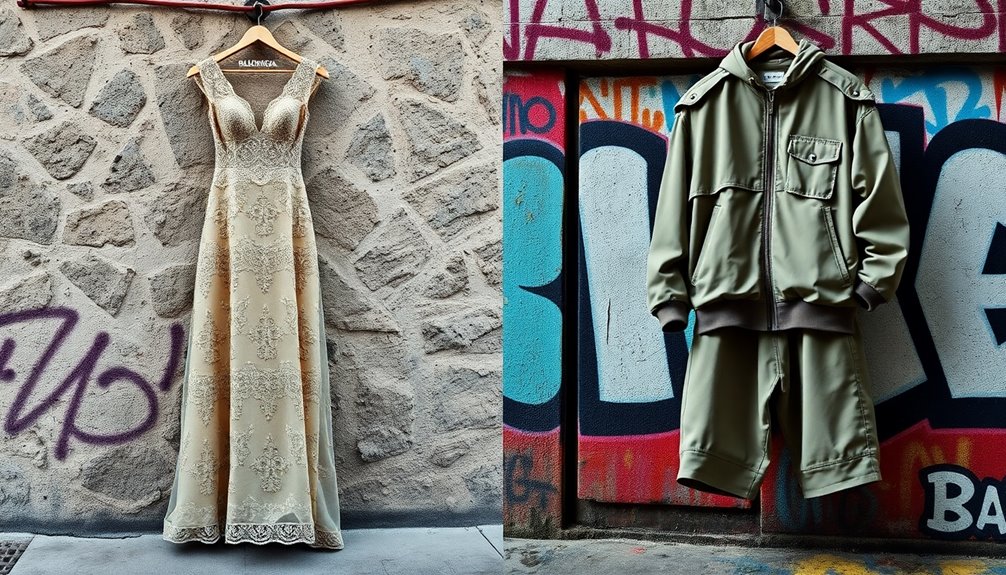

In the 1990s, you see two contrasting styles shaping the fashion scene: grunge and minimalism. Grunge, inspired by Seattle’s music scene, promotes a rebellious, unpolished look with ripped jeans, flannel shirts, and combat boots. In contrast, minimalism focuses on sleek lines, neutral colors, and understated elegance for a more refined, simple vibe. These trends reflect a desire for authentic self-expression and a break from excess—yet, they work together to define the decade’s unique style. Keep exploring to understand how they shaped the era.
Key Takeaways
- Grunge style emphasized practicality, disarray, and authenticity with ripped jeans, flannel shirts, and combat boots.
- Minimalism focused on clean lines, neutral colors, and understated elegance as a counterpoint to grunge’s cluttered look.
- Both trends reflected 1990s cultural shifts towards genuine self-expression and rejection of excess.
- Grunge drew from Seattle’s underground music scene, embodying rebelliousness and unpolished aesthetics.
- Minimalism was influenced by bands like R.E.M. and Radiohead, emphasizing simplicity and quality over quantity.
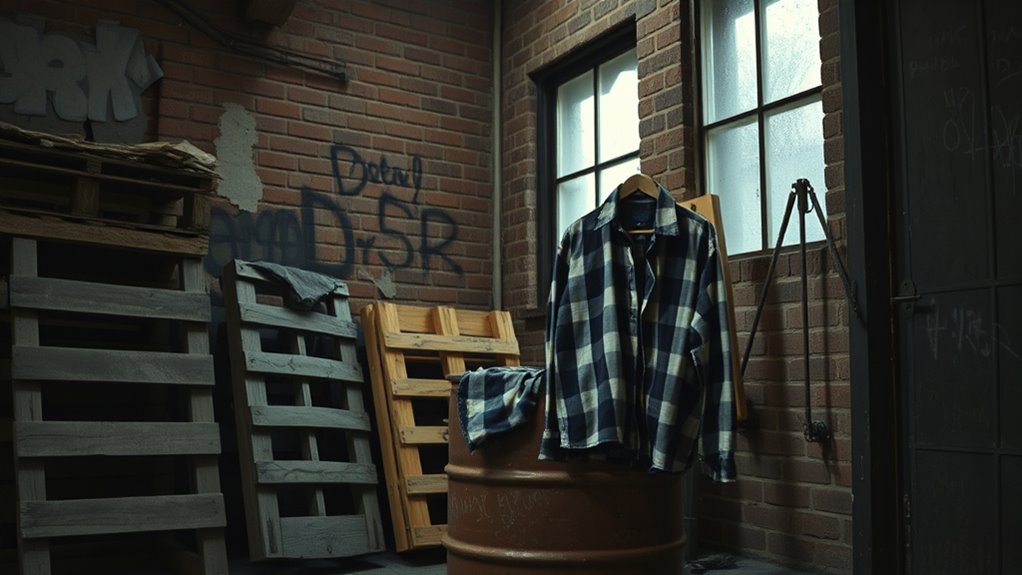
The 1990s saw a dramatic shift in fashion and culture, marked by the rise of grunge and minimalism as dominant styles. During this decade, the fashion industry shifts reflected a move away from the flashy excess of the 1980s. Instead, there was a focus on simplicity, comfort, and authenticity. As grunge emerged from Seattle’s underground music scene, it brought with it a rebellious attitude that challenged traditional fashion norms. You would have noticed this in the way people dressed: ripped jeans, flannel shirts, oversized sweaters, and combat boots became everyday staples. The influence of grunge music was undeniable, shaping not just sounds but also how people expressed themselves visually. The raw, unpolished aesthetic of bands like Nirvana and Pearl Jam translated into a style that prioritized practicality and a sense of disarray over polished glamour. This musical influence pushed the fashion industry to embrace more relaxed, unstructured clothing, providing a stark contrast to the polished fashion of the previous decade. Additionally, the emphasis on authenticity and individuality in fashion further fueled the grunge movement, encouraging personal expression over mainstream trends.
Meanwhile, minimalism gained traction as a counterpoint to the cluttered, layered looks of the early 90s. You’d find that the emphasis here was on clean lines, neutral colors, and understated elegance. The minimalism trend was driven by a desire for simplicity and functionality, aligning with broader cultural shifts towards mindfulness and authenticity. Designers started to focus on quality over quantity, creating pieces that were versatile and timeless. This movement was heavily influenced by the broader cultural landscape, which valued authenticity and a rejection of excess. The fashion industry shifts during this period reflected this desire for pared-down sophistication, often inspired by the sleek, understated styles of designers like Calvin Klein and Jil Sander. The influence of music also played a role; the quiet introspection and stripped-down sound of bands like R.E.M. and Radiohead echoed in the minimalist aesthetic. Both grunge and minimalism, though seemingly opposite, represented a desire for genuine expression and a break from the flamboyance of previous eras.
Frequently Asked Questions
How Did Grunge Influence 1990S Fashion Trends Globally?
You see, grunge fashion had a huge impact on 1990s global style. It popularized a laid-back, rebellious look with flannel shirts, ripped jeans, and combat boots. This trend spread beyond Seattle, influencing streetwear and high fashion alike. Its emphasis on comfort and individuality resonated worldwide, making grunge a defining aesthetic of the decade. You can spot its influence in many modern casual styles today.
What Were the Key Musical Differences Between Grunge and Minimalism?
You notice that grunge has a raw, emotional sound with lyrical intensity and often simple, distorted instrumentals, emphasizing mood over technical skill. In contrast, minimalism features sparse arrangements, focusing on instrumental complexity and subtlety. Grunge’s lyrics are gritty and expressive, while minimalism leans toward understated, repetitive melodies. These differences create distinct musical experiences: one emotionally intense and chaotic, the other restrained and refined.
Did Minimalism Impact Interior Design Beyond the 1990S?
Minimalism’s modern momentum continues to influence interior design today. You’ll notice that minimalist architecture and interior decoration emphasize simplicity, clean lines, and functional forms. This trend’s timeless appeal keeps it prevalent, promoting a peaceful, pared-down aesthetic in contemporary spaces. Its focus on uncluttered environments and understated elegance remains a powerful influence, proving that minimalism’s minimalist mastery extends well beyond the 1990s into current interior design practices.
How Did Grunge Culture Affect Mainstream Media Portrayals?
You see, grunge culture heavily influenced mainstream media portrayals by challenging stereotypes and emphasizing authenticity. It pushed media to move away from glamorous stereotypes, showcasing a rawer, more rebellious side of youth. However, commercialization effects also emerged, as brands and media outlets capitalized on grunge’s edgy appeal, sometimes diluting its original message. This dual impact shaped how grunge was perceived, blending genuine attitude with commercial interests.
Were There Any Significant Crossover Artists Blending Grunge and Minimalism?
Imagine a bridge connecting two worlds—crossover bands blend grunge and minimalism seamlessly. You find artists like Radiohead and PJ Harvey experimenting with genre blending, creating sounds that evoke raw emotion while stripping down to essentials. These bands act as musical chameleons, transforming grunge’s gritty edge into minimalist textures. Their innovative crossover work shows how genre blending pushes boundaries, allowing you to experience a fresh, layered perspective within the alternative scene.
Conclusion
As you reflect on the 1990s, it’s fascinating how grunge’s raw edge and minimalism’s sleek simplicity seemed to mirror each other’s rise. Coincidentally, both styles emerged from a desire to strip away excess, revealing authentic selves. You might find that embracing these contrasts today reminds you of that era’s spirit—finding beauty in imperfection and clarity alike. Sometimes, it’s in the unexpected overlaps that you truly discover what timeless style means.