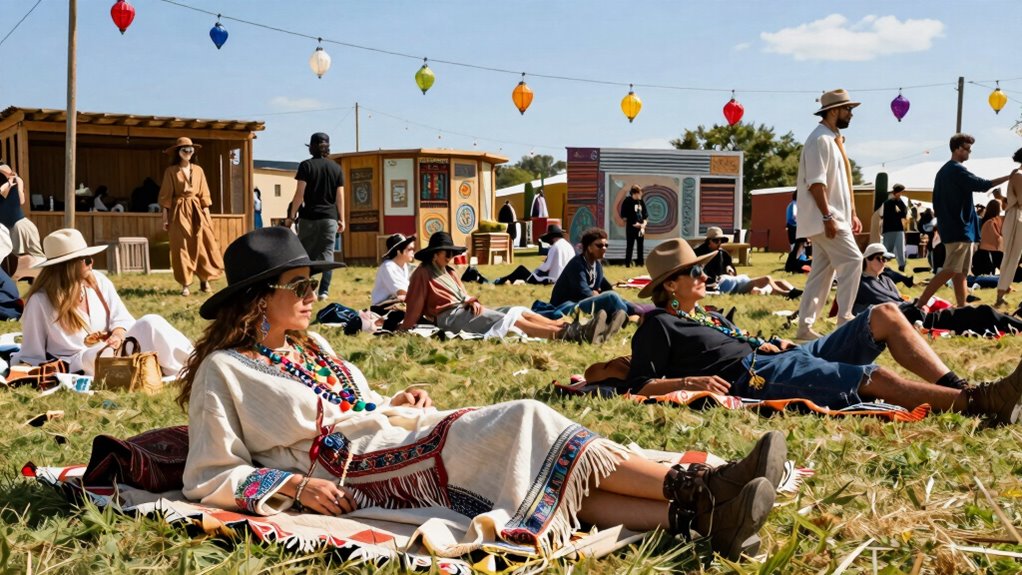

Boho style began as a rebellious movement in the 1960s and 70s, inspired by counterculture values of freedom, individuality, and connection to nature. It embraced handcrafted details, exotic textiles, and multicultural influences, reflecting artistic and cultural experimentation. Over time, it shifted into mainstream fashion, seen in boutiques, runways, and streetwear, while still celebrating personal expression and global inspiration. To discover how this vibrant style continues to evolve today, explore more about its rich history and ongoing influence.

Get your wardrobe favorites delivered free — and shop member deals
- Fast, free delivery on millions of items
- Access to Prime Big Deal Days deals on October 6–7
- Prime Video, Amazon Music and more included
Key Takeaways
- Boho originated as a rebellious, handcrafted style inspired by Romantic and Arts and Crafts movements, emphasizing natural fabrics and eclectic influences.
- It surged in popularity during the 1960s and 1970s counterculture, symbolizing freedom, individualism, and a connection to nature.
- The style transitioned into mainstream fashion through boutiques, runway shows, and streetwear, maintaining its relaxed, layered aesthetic.
- Global cultural exchanges introduced diverse textiles, motifs, and patterns, enriching and evolving boho’s eclectic look.
- Today, boho emphasizes sustainability, personal storytelling, and authentic expression, rooted in its countercultural origins.
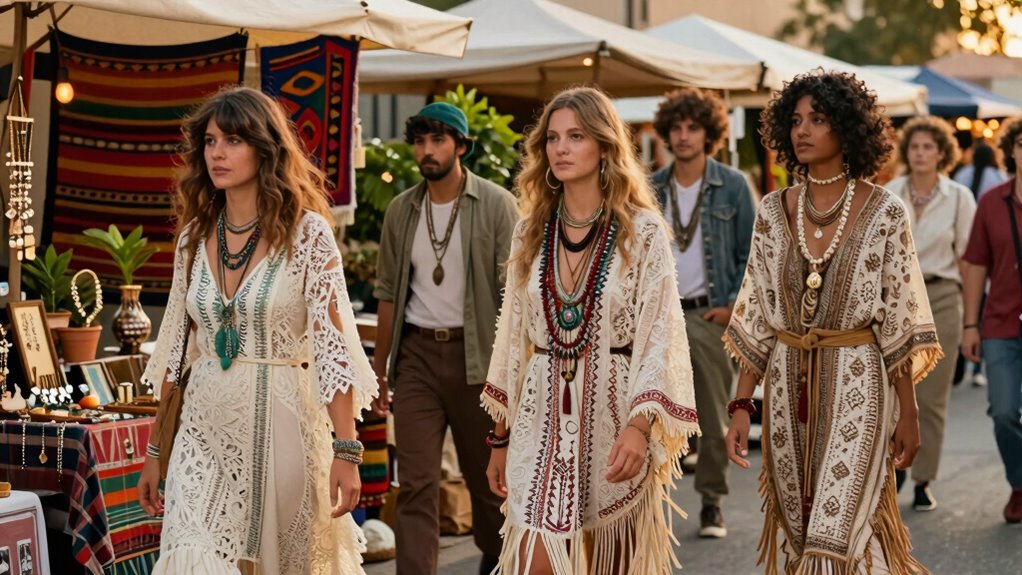
As you look into its roots, you’ll find that boho style grew out of a desire to break away from the rigid, industrialized norms of the 19th and early 20th centuries. Artists and intellectuals, especially during the Romantic and Arts and Crafts movements, embraced handcrafted details, natural fabrics, and layered textures—elements that remain core to boho aesthetics today. The cultural influences of these movements, combined with the influx of exotic textiles and motifs brought back by travelers and explorers, helped shape a style that’s both eclectic and deeply personal. During the 1960s and 1970s, boho style surged in popularity, fueled by the counterculture movement. You’d see it everywhere—on music festivals, in underground art scenes, and among those who sought a more authentic, less commercialized way of living. The counterculture movement also emphasized values like freedom, individualism, and a connection to nature, which continue to resonate within boho fashion. Over time, boho style evolved from a rebellious subculture to mainstream fashion. You might notice it in boutique stores, on the runways, and even in everyday streetwear. The appeal lies in its relaxed, layered look, which invites you to mix vintage pieces, ethnic jewelry, and flowy fabrics. The cultural influences continue to evolve, blending new elements from around the world, yet the core spirit remains unchanged: freedom of expression and a celebration of individuality. Additionally, the global exchange of textiles and motifs has played a significant role in shaping its diverse aesthetic. This exchange has allowed for a fusion of styles that enriches the overall boho look and feel. The influence of travel and exploration has also contributed to the eclectic nature of boho, bringing new patterns and materials into the mix. Today, boho isn’t just about fashion; it’s a lifestyle that champions sustainability, creativity, and personal storytelling. As you embrace its history, you connect with a movement rooted in diverse cultures and a shared desire for authenticity—one that has grown from counterculture roots into a beloved, timeless aesthetic. The ongoing cultural exchange ensures that boho remains a dynamic, evolving style that continually reflects global influences.
As an affiliate, we earn on qualifying purchases.
Frequently Asked Questions
How Did Boho Fashion Influence Modern Mainstream Trends?
Boho fashion evolution has profoundly influenced modern mainstream trends by introducing relaxed, eclectic styles that emphasize individuality and comfort. You see this in flowy dresses, layered accessories, and earthy tones, all rooted in boho aesthetics. This influence encourages you to mix patterns and textures freely, making boho a versatile, trendsetting style. Its mainstream trend influence continues as designers incorporate boho elements into everyday wear, blending vintage charm with contemporary fashion.
What Are Key Symbols Associated With Boho Culture?
You’ll notice boho culture often features symbols like feather earrings, mandalas, and dreamcatchers, reflecting bohemian symbolism and cultural motifs. These elements symbolize freedom, spiritual connection, and a laid-back vibe. You might also see floral patterns and tribal designs, which emphasize nature and individuality. Embracing these symbols helps you express a free-spirited, artistic personality while honoring the rich cultural roots behind boho fashion.
Who Are Notable Designers Known for Boho-Inspired Collections?
You’ll recognize designers like Free People and Anthropologie, known for their boho-inspired collections. They emphasize boho textiles, featuring flowy fabrics, intricate embroidery, and earthy tones. These brands incorporate vintage accessories, such as layered necklaces and fringe bags, to create authentic, free-spirited looks. Their designs celebrate boho culture’s roots, blending modern style with vintage charm, making it easy for you to embrace the laid-back, eclectic vibe of boho fashion.
How Has Boho Music Evolved Over the Decades?
You might be surprised to find that boho music evolved from a blend of folk, psychedelic, and world music genres, echoing the free spirit of boho style. Over decades, it incorporated diverse sounds like acoustic guitars and hand drums, using boho musical instruments to create relaxed, soulful tunes. Today, boho music continues to evolve, embracing new influences while maintaining its core vibe of eclectic, artistic expression.
What Regions Historically Contributed to Boho’s Origins?
You should know that boho’s origins trace back to regions like Native American communities and the hippie movement in the 1960s. Native American influences shaped its earthy, free-spirited style, while the hippie movement popularized its relaxed, unconventional vibe. These regions and cultural shifts combined to create the eclectic, artistic essence of boho, which continues to influence fashion and lifestyle today.
Conclusion
As you walk through today’s boho-inspired streets, you feel the gentle sway of flowing fabrics and the earthy scent of patchouli in the air. What started as a rebellious whisper has become a vibrant tapestry woven into mainstream life, reminding you that true style is about embracing freedom and authenticity. In this ever-changing landscape, boho’s spirit lives on—an enduring dance between individuality and community, inviting you to find your own rhythm within the colorful mosaic.
Fall Picks
fall essentials
As an affiliate, we earn on qualifying purchases.