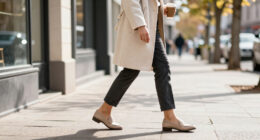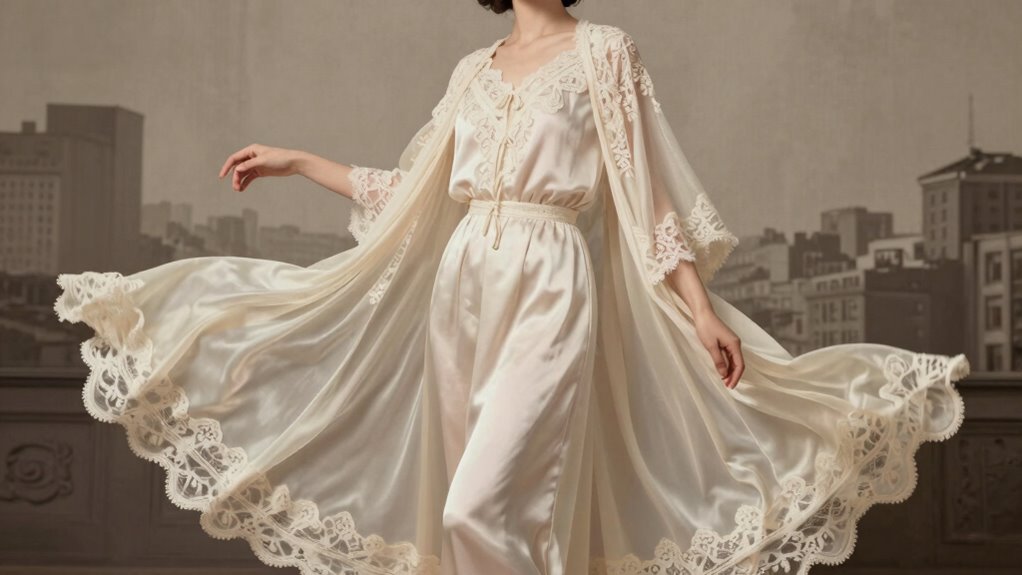
Fashion photography’s aesthetics have evolved from soft, muted tones to bold, vibrant palettes that set moods and highlight personalities. Lighting techniques shifted from natural to studio setups, allowing for dramatic shadows and delicate effects. Technological advancements have expanded creative options, while cultural trends shaped styles—from glamorous 80s contrasts to minimalist modern looks. These shifts reveal how color, light, and innovation reflect changing beauty standards and artistic expressions, offering a rich story that’s worth exploring further.

Get your wardrobe favorites delivered free with Prime
- Fast, free delivery on millions of items
- Prime Video, Amazon Music and more included
- Member-only deals all year
Key Takeaways
- Early fashion photography favored muted, soft tones to convey elegance and timelessness.
- Technological advances enabled precise lighting control, allowing for dramatic or ethereal effects.
- Color palettes evolved from pastel and monochrome to bold, vibrant, and neon styles, shaping mood and narrative.
- Cultural trends, such as 80s glamor or minimalism, significantly influenced aesthetic shifts.
- Artistic choices in lighting and color continue to define fashion photography’s storytelling and emotional impact.

Fashion photography has evolved dramatically since its inception, shaping how you perceive style and beauty today. Over the decades, the way images are styled, lit, and colored has transformed, reflecting cultural shifts and technological advancements. One of the most noticeable aspects of this evolution is the use of color palettes. Early fashion photographs favored soft, muted tones, emphasizing elegance and timelessness. As the industry grew more experimental, bold and vibrant palettes emerged, allowing photographers to create eye-catching contrasts and evoke specific moods. You might notice how the choice of colors—whether pastel, neon, or monochrome—can influence the overall narrative of a shoot. Color palettes serve as a visual language, guiding your emotional response and highlighting the subject’s personality or the designer’s intent.
Lighting techniques have also played a pivotal role in shaping fashion photography’s aesthetic. In its earliest days, natural light was primarily used, giving images a soft, organic feel. As studio lighting became more sophisticated, photographers gained the ability to manipulate shadows and highlights with precision. High-contrast lighting, for instance, accentuates textures and contours, creating drama and intensity that draw your eye to specific details. Conversely, soft lighting can produce a gentle, ethereal quality, making clothing and models appear more delicate. Over time, innovative lighting setups—like backlighting, rim light, and colored gels—have expanded creative possibilities, allowing photographers to craft atmospheres that match their vision. These lighting techniques not only define the mood but also shape the overall aesthetic, making some images feel timeless and others strikingly modern. Additionally, technological innovations have enabled more precise control over lighting techniques, enhancing creative expression in fashion photography. As a result, photographers continuously experiment with new lighting styles to push artistic boundaries and evoke unique emotional responses. Furthermore, advancements in lighting technology have allowed for greater versatility and experimentation, encouraging bold artistic choices. A deeper understanding of lighting principles can help photographers achieve more impactful results and better communicate their artistic message. In turn, this ongoing evolution of lighting strategies reflects changing tastes and advancements in photographic technology.
As you look back through the history of fashion photography, you’ll see how shifts in color palettes and lighting techniques mirror broader cultural trends. Whether it’s the glamorized, high-contrast images of the 80s or the minimalist, subdued tones of contemporary shoots, these elements influence how you interpret fashion stories. They help convey messages, evoke emotions, and shape perceptions of beauty that resonate on a personal level. By understanding how color and light have evolved, you gain a deeper appreciation for the artistry behind each shot and how photographers use these tools to craft compelling visual narratives. Ultimately, these aesthetic choices continue to push the boundaries of fashion photography, inspiring new generations to experiment and redefine what beauty means.
studio lighting kit for fashion photography
As an affiliate, we earn on qualifying purchases.
As an affiliate, we earn on qualifying purchases.
Frequently Asked Questions
How Has Digital Technology Transformed Fashion Photography Aesthetics?
Digital technology has revolutionized fashion photography aesthetics by enabling you to use digital enhancement for sharper images and vibrant colors. AI integration allows you to experiment with creative editing, generating surreal or hyper-real visuals effortlessly. This technology empowers you to push artistic boundaries, create more engaging content, and adapt quickly to trends, making your work more innovative and visually striking than ever before.
What Role Do Social Media Influencers Play in Shaping Fashion Photography Trends?
Social media influencers actively shape fashion photography trends through their influencer branding and trendsetting strategies. You notice how their authentic, relatable content sparks new aesthetic ideas and pushes boundaries. They set visual standards that brands and photographers enthusiastically adopt to stay relevant. By consistently showcasing innovative styles and engaging audiences directly, influencers accelerate trend cycles and influence the visual language, making them pivotal in the evolution of modern fashion photography.
How Do Cultural Differences Influence Fashion Photography Styles Globally?
Cultural differences deeply influence fashion photography styles worldwide by highlighting cultural symbolism and regional attire. You notice how photographers incorporate traditional elements, colors, and motifs that resonate locally, creating authentic visuals. These influences shape your approach, blending modern trends with cultural identity. Embracing regional attire and symbolism allows you to craft compelling images that celebrate diversity, fostering a global appreciation for unique cultural expressions within the fashion industry.
What Are Emerging Trends in Fashion Photography Aesthetics for the Next Decade?
You’ll see bold color palettes gaining popularity, with 65% of photographers favoring vivid, saturated hues. Composition techniques will shift toward more dynamic, asymmetrical frames, emphasizing movement and emotion. Expect a rise in experimental lighting and mixed media, blending digital and traditional methods. These trends will create striking visuals that challenge conventions, making fashion photography more immersive and expressive in the next decade.
How Do Fashion Photographers Balance Artistic Expression With Commercial Demands?
You balance artistic expression with commercial demands by focusing on editorial storytelling and visual innovation. You craft images that captivate viewers, showcasing creativity while aligning with brand goals. By pushing boundaries and experimenting with new techniques, you create compelling visuals that stand out. At the same time, you guarantee your work resonates with commercial objectives, striking a harmony that elevates both artistic integrity and market appeal.
Conclusion
As you reflect on the evolution of fashion photography, it’s like flipping through a vivid magazine—each era blending seamlessly into the next. You notice how bold colors, minimalist lines, and daring concepts appear just as suddenly as a model striking a pose under shifting lights. This coincidence reminds you that fashion’s aesthetic journey mirrors life’s unpredictable beauty, where innovation and tradition dance together, shaping a visual story that’s as enthralling as it is ever-changing.
Halloween Picks
halloween
As an affiliate, we earn on qualifying purchases.