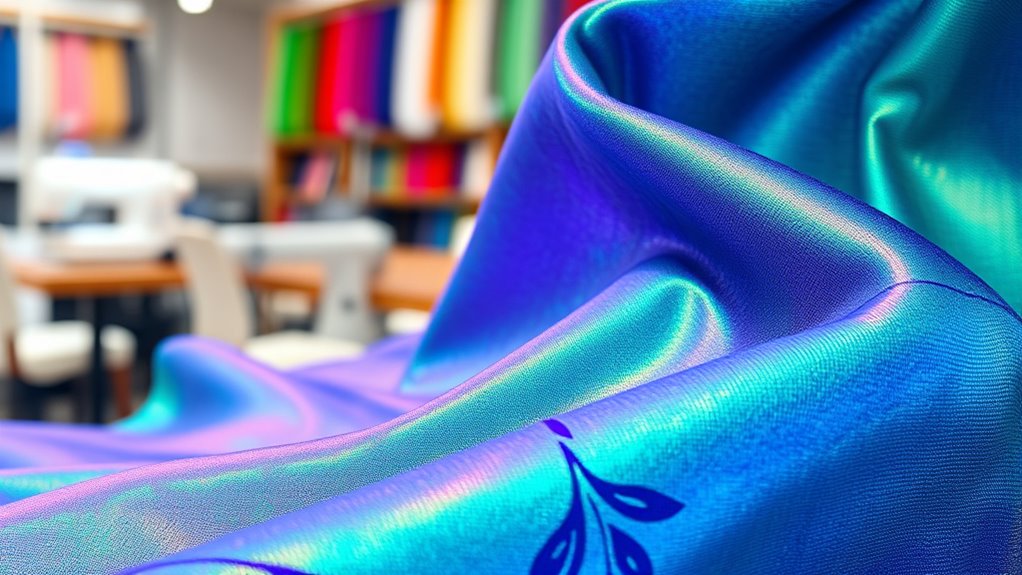

Textile innovations have transformed fashion by introducing sustainable fibers like organic cotton, bamboo, and recycled polyester, which reduce environmental impact while offering durability and softness. Smart textiles now incorporate technology, allowing clothing to respond to your needs, monitor health, or regulate temperature. These advances make garments more functional, eco-friendly, and high-tech. If you want to explore how these cutting-edge fabrics continue shaping the industry, there’s more to uncover beyond this overview.

Get your wardrobe favorites delivered free — and shop member deals
- Fast, free delivery on millions of items
- Access to Prime Big Deal Days deals on October 6–7
- Prime Video, Amazon Music and more included
Key Takeaways
- Advancements in fabric technology have improved durability, softness, and breathability, transforming everyday clothing.
- The shift to sustainable fibers like organic cotton, bamboo, and recycled polyester reduces environmental impact.
- Integration of smart textiles with embedded sensors enhances functionality, such as temperature regulation and health monitoring.
- Eco-friendly innovations promote responsible fashion by decreasing reliance on fossil fuels and minimizing waste.
- Future textile developments aim to combine style, sustainability, and smart features, shaping the next generation of fashion.
Have you ever wondered how textiles have evolved to meet modern needs? It’s fascinating to see how innovations in fabric technology have transformed the way we dress, work, and live. One of the most significant shifts has been toward sustainable fibers. As environmental concerns grow, the fashion industry has embraced eco-friendly materials like organic cotton, bamboo, and recycled polyester. These sustainable fibers reduce reliance on fossil fuels, minimize waste, and lower carbon footprints. They’re not just better for the planet—they often perform just as well as traditional fabrics, offering durability, softness, and breathability. This shift to eco-conscious materials reflects a broader commitment to sustainability, pushing brands and consumers alike to prioritize environmental responsibility. Both sustainable fibers and smart textiles are revolutionizing textile development, driving forward an era of innovative and eco-friendly fashion.
Alongside sustainable fibers, smart textiles have emerged as a game-changer. These advanced fabrics incorporate technology directly into their structure, allowing them to respond to external stimuli or user needs. Imagine clothing that can regulate temperature, wick away sweat, or even monitor your health. Smart textiles can do all of this by integrating sensors, conductive threads, and other electronic components seamlessly into the fabric. For you, this means clothing that adapts to your activity level or environment, enhancing comfort and functionality. For example, athletic wear with embedded sensors can track your heart rate or hydration levels, providing real-time feedback. Similarly, smart textiles are used in military or medical applications, offering protective or health-monitoring features that were impossible a decade ago. The fusion of textiles and technology is revolutionizing the industry, making our garments more than just fabric—they become interactive, responsive tools.
The development of sustainable fibers and smart textiles isn’t happening in isolation. It’s part of a larger movement toward innovation that aims to make fashion more responsible, functional, and high-tech. As you browse through modern clothing options, you’re likely to encounter fabrics infused with these advancements. Sustainable fibers help you make environmentally conscious choices, while smart textiles offer added convenience and performance. Together, they’re shaping a future where clothing is not only stylish but also smarter and more sustainable. This evolution reflects a deeper understanding of how textiles influence both individual well-being and the planet. By embracing these innovations, you’re participating in a shift toward a more sustainable and technologically integrated fashion landscape, where functionality and responsibility go hand in hand.
Frequently Asked Questions
How Do Textile Innovations Impact Environmental Sustainability?
You can see how textile innovations impact environmental sustainability by choosing biodegradable fibers and water-saving dyes. These advances reduce waste and lower water usage, making production more eco-friendly. By supporting brands that use these innovations, you’re helping lessen pollution and conserve resources. Your choices in fashion directly contribute to a more sustainable future, showing how innovative textiles can positively influence the environment.
What Are Future Trends in Textile Technology?
Future trends in textile technology include smart fabrics and wearable tech that enhance functionality and user experience. You’ll see fabrics embedded with sensors for health monitoring, climate adaptation, and interactive features. These innovations make clothing more than just fashion—they become integrated tools for daily life. As you embrace these trends, expect garments that are smarter, more sustainable, and personalized, transforming how you communicate, stay healthy, and express yourself through fashion.
How Do Innovations Influence Fashion Industry Costs?
Ever wonder how innovations cut costs in fashion? You see, new textile technologies boost manufacturing efficiency, enabling you to produce more with less. These advancements lead to cost reduction by minimizing waste and speeding up processes. As a result, you can offer trendy, affordable options to your customers while maintaining quality. Innovations transform your operations, making fashion more accessible and profitable—who wouldn’t want that edge in a competitive market?
Are New Textiles Safe for Consumer Health?
New textiles are generally safe for consumer health when they meet strict textile safety standards. You should always check product labels for certifications and avoid textiles with harmful chemicals. Textile safety standards ensure that harmful substances are minimized or eliminated, reducing consumer health concerns. By staying informed and choosing certified fabrics, you can confidently enjoy innovative textiles without risking your health.
How Do Innovations Affect Clothing Durability and Maintenance?
Innovations in textiles considerably improve fabric longevity and ease care requirements. You’ll find that advanced fibers and treatments make clothing more durable, resisting wear and tear over time. These innovations often mean less frequent washing and simpler maintenance, saving you time and effort. Plus, improved fabric durability ensures your clothes stay looking new longer, providing better value. Overall, textile innovations make clothing more practical, long-lasting, and easier to care for.
Conclusion
You might think textile innovations are just about style, but they’ve also revolutionized sustainability and comfort. Some say new fabrics like bioengineered fibers could even replace traditional materials, reducing environmental impact. While not all innovations are flawless, history shows that pushing boundaries often leads to better, smarter fashion. So, next time you wear a high-tech fabric, remember—you’re part of a movement that’s shaping the future of clothing, one innovative thread at a time.
Fall Picks
fall essentials
As an affiliate, we earn on qualifying purchases.